
Livraison le jour même ou le lendemain

Qualité garantie

Débloquez vos offres de bienvenue: Livraison GRATUITE | Jusqu'à -80 % | 30 jours d'essai gratuits à JoyPlus
Téléchargez l'application
As a professional mechanic or a savvy DIYer, equipping yourself with a professional multi-brand car diagnostic scanner is a strategic investment. However, the market is flooded with devices that make tempting promises, often hiding unforeseen costs or frustrating technical limitations. Before taking the plunge, it's crucial to know how to avoid the most common pitfalls so a good investment doesn't turn into a wasted expense.
The 3 Traps to Avoid When Buying a Diagnostic Tool?:
To make an informed choice, focus on the features that truly make a difference in performance and profitability.
The OBD2 port is standard, but the communication protocols it uses are evolving.
Choosing a CAN FD DoIP diagnostic scanner isn't a luxury; it's a necessity to ensure compatibility with the current and future vehicle fleet.
A simple professional fault code reader is useful but limited. For complex repairs, two functions are essential?:
This is the ultimate profitability criterion. A device with lifetime free updates may have a higher initial cost but provides peace of mind and total control over your long-term expenses. Conversely, a subscription-based model may seem cheaper at first, but recurring annual fees can quickly exceed the value of the tool itself. For professional use, cost predictability is a major asset.
Here are a few recommended options, categorized by user profile, to help you find the tool that truly meets your needs.
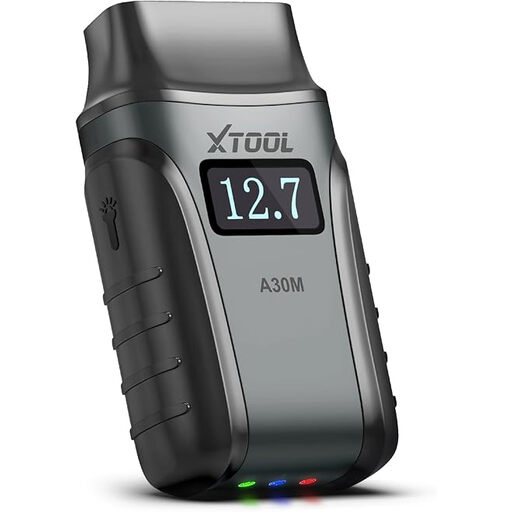
Why this tool is perfect for this profile : Ideal for those seeking a powerful and portable Bluetooth car diagnostic solution. Its dongle format, connected to a smartphone (iOS/Android), offers maximum flexibility for house calls or quick workshop diagnostics without the bulk of a tablet.
Its lifetime free updates policy completely eliminates the hidden subscription trap, ensuring maximum long-term profitability.
Combines a full bi-directional test and over 26 service functions (oil reset, EPB, etc.) in an ultra-compact, wireless format.
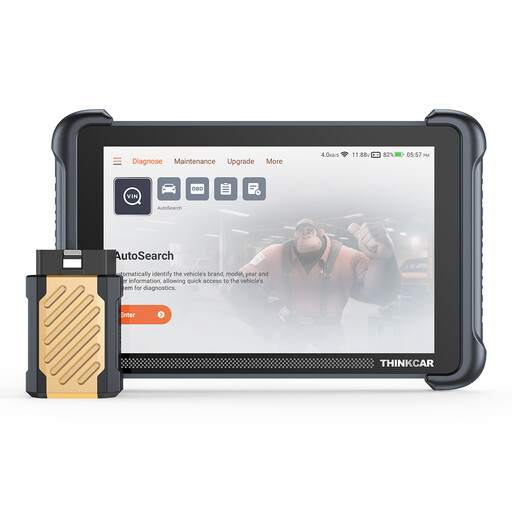
Why this tool is perfect for this profile : An excellent all-rounder for a garage handling all vehicle makes. The 8-inch Android 10 tablet and wireless connection provide user comfort and a clear data display for efficient diagnostics.
It sidesteps the two main traps : native support for CAN FD & DoIP protocols prevents obsolescence, and lifetime free updates guarantee no recurring fees.
It offers a remarkable balance between advanced functions (ECU coding, active tests), wide vehicle coverage, and long-term profitability thanks to its 34 reset functions and included updates.
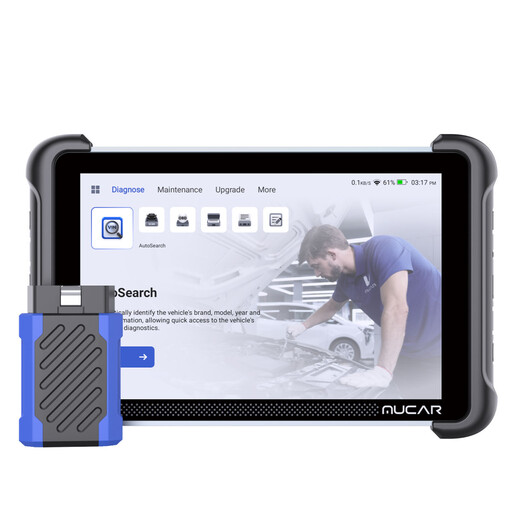
Why this tool is perfect for this profile : Designed for the technician focused on advanced repairs, module replacement, and vehicle customisation. Its extensive coding capabilities and intelligent interface make it a top-tier tool for the most demanding tasks.
Offers lifetime free updates on a high-end device, a rare combination that maximizes return on investment. Its full support for CAN-FD & DoIP protocols ensures rock-solid longevity.
It stands out with its advanced ECU coding, guided diagnostics, and expandability (compatible with oscilloscopes, endoscopes, etc.), making it a true modular diagnostic platform.
We have compiled a complete and up-to-date selection of tools that meet these demanding selection criteria.
Generally, yes. Manufacturers who promote this feature use it as a major differentiator. It means that updates to the main software, vehicle database, and service functions are included at no extra cost after the initial purchase. Carefully read the product description to ensure this policy applies to all functions and not just basic OBD2 diagnostics.
Absolutely. The European vehicle fleet is modernizing at a rapid pace. Many recent models from popular brands (like Chevrolet, Vauxhall/Opel, BMW, and some Stellantis group models) already use or will soon use these protocols. Investing in a compatible tool today prevents you from having to replace it in a year or two when these vehicles arrive at your workshop in large numbers.
A code reader is a passive tool: it only reads the information the vehicle sends it (fault codes, live data). A tool with a bi-directional test is active: it can send commands to the vehicle. For example, instead of just reading an error code for an injector, you can command the injector to activate to confirm whether the problem is with the component itself or its control circuit. It's the difference between "listening" to and "talking" with the vehicle.