
Livraison le jour même ou le lendemain

Qualité garantie

Débloquez vos offres de bienvenue: Livraison GRATUITE | Jusqu'à -80 % | 30 jours d'essai gratuits à JoyPlus
Téléchargez l'application
With promises of instant shine, big power figures and kits packed with accessories, choosing the right car care products can quickly become a headache. The wrong purchase can be costly, though: scratched clear coat, faded plastics, an incompatible battery or bulky equipment that’s difficult to store.
This selection from the Joybuy editorial team is based on practical criteria to help you put together a well-matched set of products and tools, whether you wash your car on a driveway, in a garage or as part of a vehicle detailing business.
A polisher with a high number of revolutions per minute isn’t necessarily the best choice. Excessive speed, the wrong pad or too much pressure can leave marks on the clear coat. For home use, adjustable speed and an orbital motion are generally easier to control than a machine with a limited range of high speeds.
The same applies to a car pressure washer. High pressure helps shift mud, but keep the spray far enough away from seals, sensors, badges and delicate areas.
A car cleaning kit can look comprehensive thanks to its large number of pieces. Take the time to check what each accessory is for, though. A brush designed for wheels has no place on a screen or delicate leather. The type and softness of the bristles, and how well they absorb liquid, matter far more than the number of items included.
Applying wax or polish to a dusty car risks trapping abrasive particles. For an even finish, wash the car first and, if needed, decontaminate the paintwork with a clay bar. Finish by drying it with a clean microfibre cloth.
Before buying a product, identify the exact surface you want to treat: gloss paint, a matte finish, glass, rubber, plastic, leather or fabric. Some car wax and polish products aren’t suitable for matte surfaces. Similarly, a leather restorer may not be recommended for suede or nubuck.
Read the label, directions for use and manufacturer’s product information. In France, choose products with information clearly available in French, which name a responsible person based in the European Union where required by regulations, and display warnings appropriate to their intended use.
When comparing cordless car polishers, look at:
A 1 600 W corded machine may suit extended jobs in a garage with a power socket. A cordless model is more convenient when moving around the vehicle. The right choice therefore depends mainly on your workspace and how often you’ll use it, not just the advertised power.
When choosing a pressure washer, check the maximum pressure, flow rate, hose length and supplied attachments. A 180 bar, 480 l/h model is suitable for a wide range of jobs, but you’ll need to choose the right nozzle and working distance for your car’s bodywork. A foam lance makes applying shampoo easier, but it doesn’t replace rinsing or hand washing.
For hard-to-reach areas, car cleaning brushes should only be used for their intended purpose: wheels, grilles, air vents, seams or plastic trim. Rinse them regularly to remove grit that could scratch glossy surfaces.
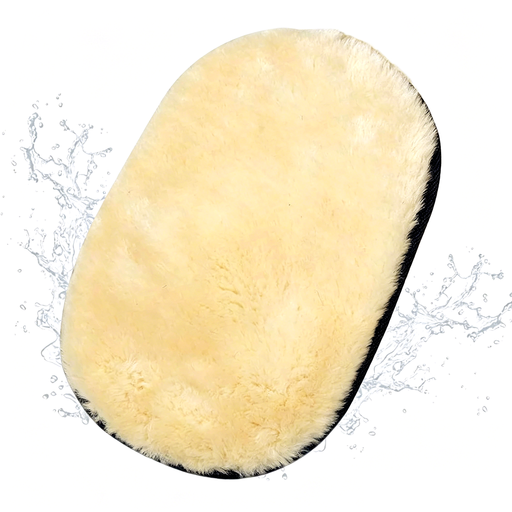
Why it suits this type of user: It’s ideal for drivers who want a simple set-up for routine washing, without investing in a machine straight away.
It’s washable and reusable, helping to cut down on disposable consumables. However, rinse it thoroughly before each use on delicate paintwork.
Its soft microfibre measures 23 × 15,5 cm and can be used on bodywork, windows and wheel trims with a suitable product.
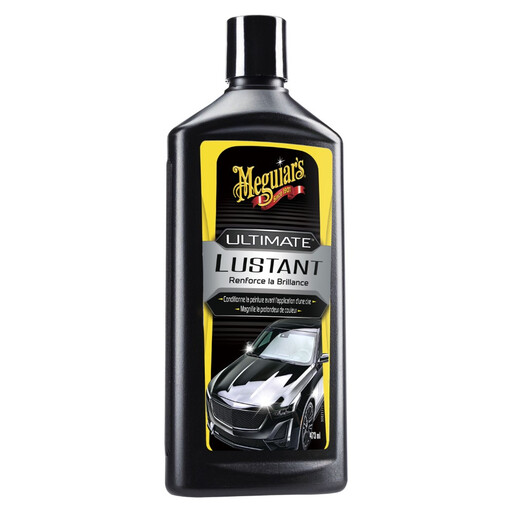
Why it suits this type of user: This pre-wax polish is a good fit for a multi-step routine, designed for drivers who want to enhance the depth and shine of their paintwork.
The product information says to use it before waxing and advises against using it on matte or satin finishes. Even so, test it on an inconspicuous area first.
The 473 ml bottle can be applied by hand or with an orbital polisher set to 3–4, then wiped off with a clean microfibre cloth.
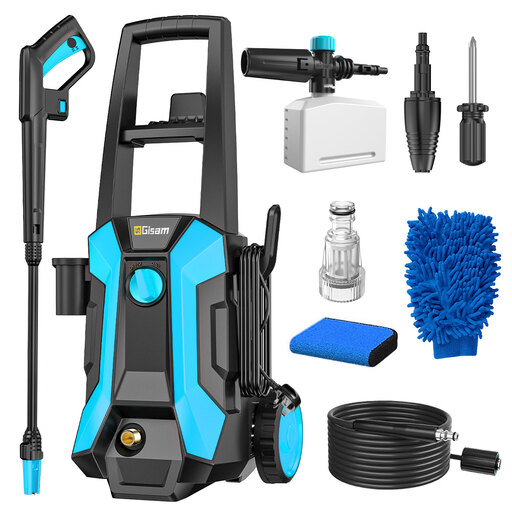
Why it suits this type of user: With its 8 m hose and range of accessories, it’s well suited to a garage or household that regularly cleans cars, patios and fences.
The 8 m hose and hose reel mean less unnecessary moving around. When cleaning bodywork, choose the right nozzle and keep the spray away from seals and electronic components.
Its 2 200 W motor, 8 m hose, trigger gun, rotary nozzle and foam nozzle make it suitable for a variety of outdoor cleaning jobs.
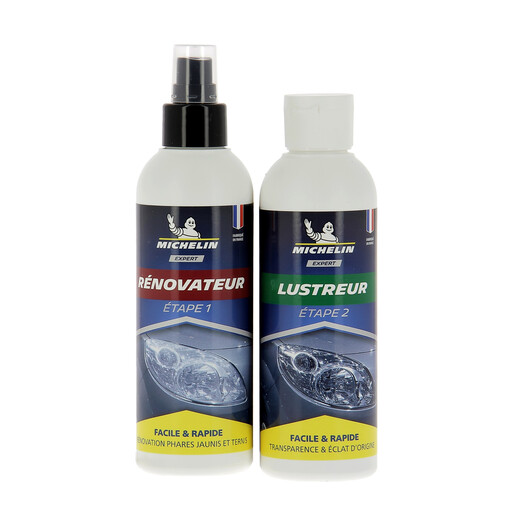
Why it suits this type of user: This kit is for drivers who want to restore dull or yellowed exterior headlights without buying a full polishing set-up.
The product information specifies that the treatment is for the exterior only. A headlight that’s fogged on the inside may need a different repair or even replacing.
The kit includes a 200 ml spray, a 170 ml finishing bottle and seven polishing discs.
We’ve brought together a comprehensive, regularly updated selection of products that meet these strict criteria, as well as European safety requirements.
To reduce the risk of scratches, work in the shade on cool bodywork. Start with the wheels and tyres, then rinse the bodywork before using a mitt or sponge. Next, move on to cleaning your car’s interior, using dedicated accessories: soft brushes for air vents, a leather-friendly product and microfibre cloths reserved for glass.
To decontaminate the paintwork, use the MARFLO clay bar with water or a lubricant – never use it dry. After polishing, remove any residue and apply the protection recommended by the manufacturer. Finally, wash your accessories, leave them to air-dry and store products out of children’s reach.
It depends on how often you maintain your car and the finish you’re aiming for. A wash mitt, a few microfibre cloths and a suitable product are enough to get started without spending too much. A polisher, pressure washer or headlight restoration kit will cost more, but may be worthwhile if you’ll use it regularly.
Follow the date, storage instructions and recommendations on the packaging. Seal bottles after each use and protect them from frost and high temperatures. Don’t reuse microfibre cloths if they contain grit or abrasive residue. How long they last depends on their composition and how often you use them.
No. Bodywork, glass, wheels, tyres, plastics and leather all have different properties. Use a product designed for the surface in question and test it on an inconspicuous area first. This helps reduce the risk of marks, discolouration and an uneven finish.