
Livraison le jour même ou le lendemain

Qualité garantie

Débloquez vos offres de bienvenue: Livraison GRATUITE | Jusqu'à -80 % | 30 jours d'essai gratuits à JoyPlus
Téléchargez l'application
Whether it's for charging an electric vehicle, maintaining your motorcycle's battery during the winter, or simply recharging your smartphone on the go, the term "car charger" covers a wide range of very different devices. Faced with an overwhelming number of options, it's easy to fall into common traps and regret your purchase. As the Head of Product Curation at Joybuy, my mission is to help you see things more clearly.
Before you start, watch out for these 3 common pitfalls:
To avoid these disappointments, it's crucial to focus on a few key technical parameters. Your specific needs will determine which criteria are most important for you.
The transition to electric mobility makes choosing a home charging solution essential. You have two main options:
The installation of an EV charging station must be carried out by a qualified electrician to ensure your setup is compliant and safe.
When it comes to charging smartphones, tablets, or GPS units, the devil is in the details.
The starter battery in your car, motorcycle, or boat also needs attention, especially during long periods of inactivity.
To help you make your choice, here are a few products that meet well-defined user profiles, selected based on the objective criteria we've just detailed.
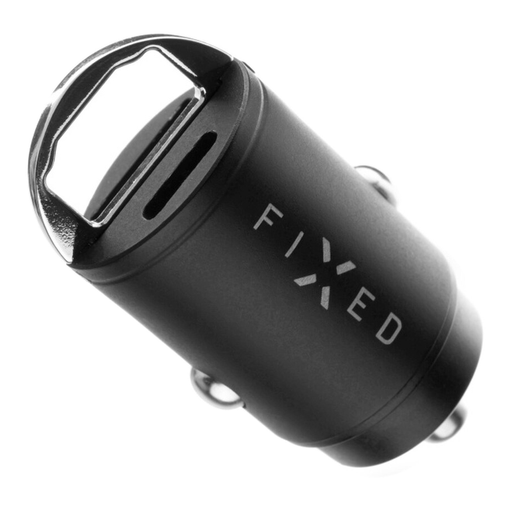
Why we chose it: Ideal for daily commutes, it can quickly charge a modern smartphone via its USB-C PD port while powering a second device (GPS, headphones) on its USB-A port. Its compact design fits discreetly into any car interior.
This charger doesn't make false promises. It supports Power Delivery and Quick Charge 3.0 protocols, ensuring genuinely fast and adaptive charging for compatible devices, up to 30W.
The combination of a USB-C and a USB-A port offers great versatility for both modern and older devices. It includes built-in protection against overheating and short circuits.
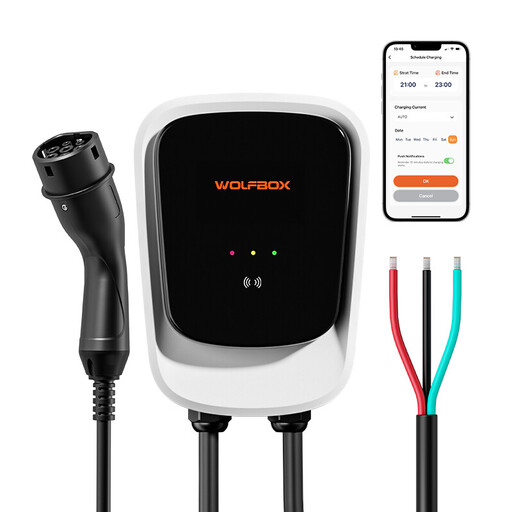
Why we chose it: A balanced home charging solution. Its 7 kW power is suitable for most single-phase electrical installations in Europe and allows for a full charge overnight. Control via app and RFID card offers convenient management.
This model avoids the non-compliance trap by requiring professional installation. Its smart features (scheduling, monitoring) are genuinely useful for optimising costs by taking advantage of off-peak hours, not mere gimmicks.
The 7 kW power level is ideal for residential use. The dual authentication system (app and RFID cards) helps secure access to the charger, a bonus if it's installed in a semi-private space.
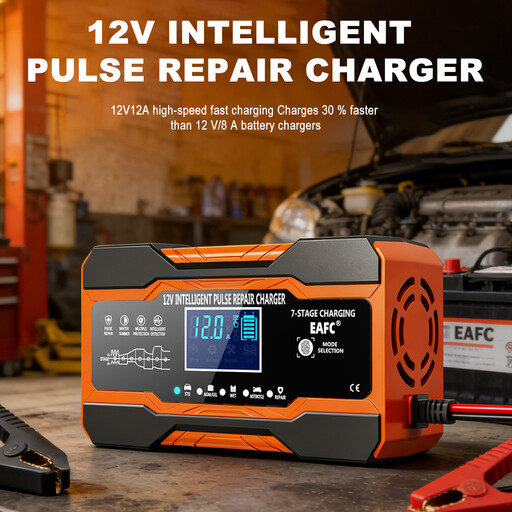
Why we chose it: Perfect for maintaining car, motorcycle, or boat batteries, especially during winter storage. It manages charging, maintenance, and has a repair function to extend battery life.
It sidesteps the incompatibility trap with its multiple modes (Car, Motorcycle, AGM, etc.). It automatically adapts to the temperature (summer/winter modes), preventing incorrect charging that can damage batteries.
The pulse repair function can help restore slightly sulfated batteries. Its compatibility with most types of lead-acid batteries (AGM, GEL, WET) makes it a versatile tool for the garage.
Our selection doesn't stop here. Explore our full catalogue of products that meet our selection criteria and current safety standards.
For most homes with a single-phase supply, a 7.4?kW wallbox is the most common and suitable choice. It can charge most electric vehicles overnight (in about 8 to 10 hours). An 11?kW or 22?kW station requires a three-phase installation, which is less common in private homes but worth considering if your home has it and your vehicle can handle that power level.
On most modern vehicles, the cigarette lighter socket is only powered when the ignition is on. Therefore, the risk of draining the battery while parked is virtually zero. Even on older models where the socket is always on, the power draw of a charger with nothing plugged into it is negligible. It would take weeks, or even months, to discharge a healthy car battery. As a precaution, it's still a good idea to unplug it if the vehicle is parked for an extended period.
Check the fast-charging protocols supported by your phone (usually listed in its technical specifications) and by the charger. The USB Power Delivery (PD) standard is the most universal, especially for iPhones and Google Pixels. Qualcomm Quick Charge (QC) is very common on Android devices. A charger compatible with one of these standards will provide optimised charging.