
Livraison le jour même ou le lendemain

Qualité garantie

Débloquez vos offres de bienvenue: Livraison GRATUITE | Jusqu'à -80 % | 30 jours d'essai gratuits à JoyPlus
Téléchargez l'application
We've all felt the frustration of a car charger that refuses to charge, or is so slow that your smartphone's battery continues to drop. It's a familiar annoyance. The market is flooded with models making tempting promises, but they are far from equal. As a Product Specialist at Joybuy, my role is to help you make sense of it all. To avoid buyer's remorse, you first need to understand the most common pitfalls.
To make the right choice, focus on a few non-negotiable technical specs. These are what guarantee performance, safety, and the right fit for your needs.
Charging speed doesn't just depend on watts (W); it's primarily dictated by protocols.
A true fast car charger doesn't just display a high wattage; it must also be compatible with your device's protocol. Always check the maximum power per port, not just the combined total.
The term "car charger" actually covers several types of devices. It's crucial to identify the one that matches your situation.
Here are a few models that meet specific needs, all selected for their performance and reliability.
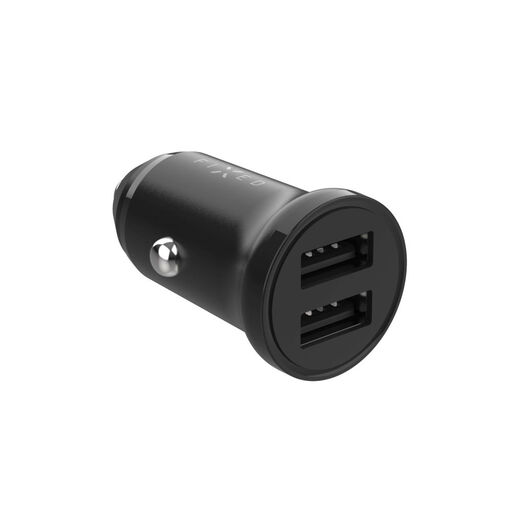
Why we recommend it: Perfect for those looking for a simple, reliable solution to charge a smartphone and another device (GPS, headphones) at the same time. Its compact design fits discreetly into any car interior.
This charger doesn't make empty promises. It advertises a 15W output, sufficient for standard charging of two devices, without overselling non-existent ultra-fast charging.
12V/24V compatible (cars and heavy-duty trucks). Smart device detection to adapt the power output.
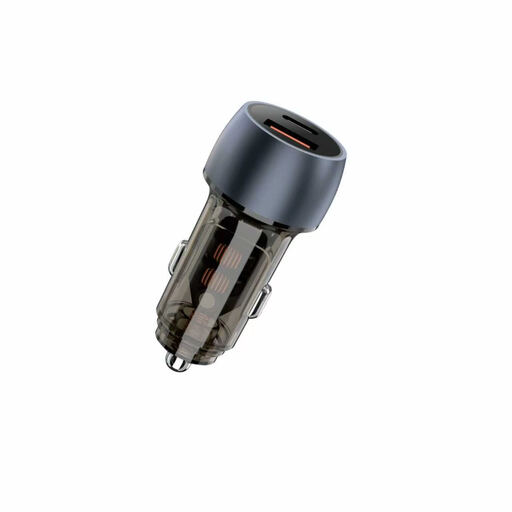
Why we recommend it: Essential for professionals or frequent travellers who need to simultaneously charge a laptop (via USB-C PD) and a smartphone. A true pocket-sized power station.
It avoids the 'total power' trap by clearly displaying the power distribution: one USB-C port up to 100W and a second 20W USB-C PD port. The user knows exactly what to expect for each device.
Very high 100W output on one port, capable of powering most USB-C laptops. Intelligent chip for device recognition.
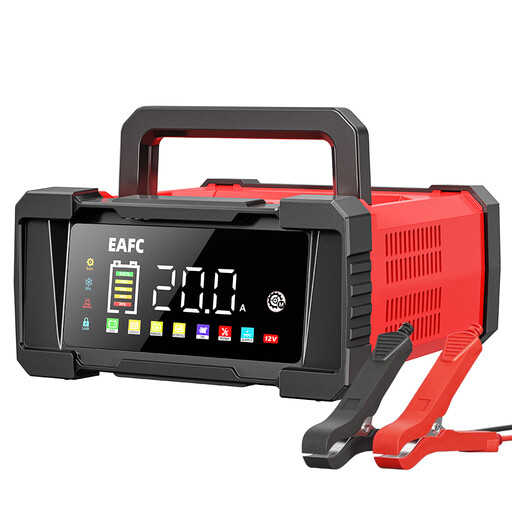
Why we recommend it: Designed for car, motorcycle, or utility vehicle owners who want to take care of their 12V/24V battery. It charges, maintains, and can even attempt to regenerate a tired battery.
It avoids the 'miracle repair' illusion by being transparent: its pulse repair function won't work magic on a dead or overly damaged battery. Expectations are set clearly.
Wide compatibility (12V/24V, Lead-Acid, AGM, GEL, LiFePO4). 7 charging modes and a colour screen to monitor the process at a glance.
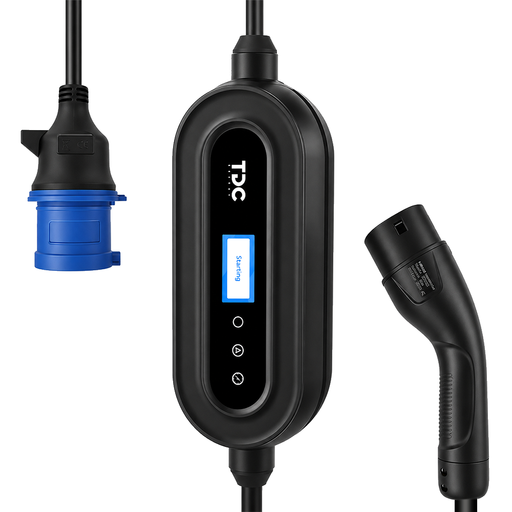
Why we recommend it: The powerful, portable charging solution for EV/PHEV drivers. Perfect for home charging (on a reinforced/industrial socket) or as a backup charger when travelling.
This highly specific product avoids any confusion with small smartphone chargers. Its specs are crystal clear (7 kW, Type 2, adjustable current), making it easy to verify compatibility with your vehicle and electrical setup.
7 kW power for much faster charging than a standard household outlet. Adjustable current (16-32A) to adapt to the installation. App control via Wi-Fi/Bluetooth connectivity.
Explore our full selection of products that meet our strict selection criteria and European safety standards.
The difference lies in the connector and the supported charging protocols. USB-A is the classic rectangular port, often associated with the Quick Charge (QC) protocol. The newer USB-C is the small, oval, reversible port that handles the Power Delivery (PD) protocol. The PD protocol allows for much higher power outputs, making it capable of fast-charging not only smartphones but also compatible tablets and laptops. For maximum compatibility with modern devices, a charger with at least one USB-C PD port is a must.
Yes, it's a risk, but it depends on your vehicle. In most modern cars, the cigarette lighter socket is powered down when the ignition is off. In this case, there's no risk. However, in older models or certain specific vehicles, the socket remains permanently powered. Even without charging anything, a plugged-in adapter draws a tiny amount of current (this is "parasitic drain"). Over a long period of inactivity (several days or weeks), this can be enough to drain a battery, especially if it's already old. As a precaution, it's best to unplug the charger if you won't be using your car for an extended period.
For a car battery charger, there are two key things to check. First, the voltage: almost all passenger cars run on 12V, while heavy-duty trucks and some utility vehicles use 24V. Make sure the charger you choose is compatible. Second, the battery type: modern chargers are often multi-compatible (Lead-Acid, AGM, GEL, EFB, etc.). It's crucial to select the correct mode on the charger to ensure a charge that is both safe and optimal. This information is usually found on the label on the battery itself.