
Livraison le jour même ou le lendemain

Qualité garantie

Débloquez vos offres de bienvenue: Livraison GRATUITE | Jusqu'à -80 % | 30 jours d'essai gratuits à JoyPlus
Téléchargez l'application
A charger that overheats, a mount that collapses at the first speed bump, or a portable jump starter that can’t revive a flat battery can quickly turn a smart purchase into a wasted expense. Car accessories cover a wide range of needs — charging, breakdown assistance, navigation, power supply or monitoring — but product descriptions sometimes gloss over their limitations.
Before comparing models, it’s worth spotting three common pitfalls and checking a few concrete technical specifications.
A fast car charger advertised at 30, 45 or 60 W won’t necessarily deliver that power to every device. It all depends on how many ports are in use, the protocol your phone supports, and the cable you’re using. If several passengers need to charge their devices, check the total power output, but also the power available on each individual port.
Cars typically run on 12 V, while some vans, motorhomes or heavy goods vehicles use 24 V. An accessory designed for a single voltage may not be suitable for your vehicle. Models compatible with 12 V–24 V are more versatile, but always consult the manual and the markings on the socket.
A light, a screen, a power bank function or multiple USB ports can be handy. However, they don’t replace the essentials: electrical protection, cable quality, battery capacity, mounting system or ventilation. A device packed with features can easily miss your primary need.
To charge a modern smartphone, go for a USB-C Power Delivery (PD) port with power output suited to your device. A 30 W USB-C car charger will work well with many compatible phones and tablets. Models that add a USB-A port let you reuse an older cable or connect a second device.
The cable also plays a role. A USB-C to USB-C cable rated at 60 W needs to be paired with a charger and a device that can handle that power. Otherwise, charging will happen at a lower rate.
When choosing a portable car jump starter or car battery booster, check the voltage, compatibility with petrol or diesel engines, the type of clamps, and storage conditions. The advertised capacity alone doesn’t guarantee a start in every situation. A very cold battery, a large engine, or poorly connected cables can limit its effectiveness.
Recharge the jump starter regularly and avoid leaving it in a car exposed to high temperatures. Before any use, turn off the ignition and follow the connection order given in the manual.
A 12 V to 230 V car power inverter should be chosen based on its continuous power rating, not just its peak power. A model rated at 300 W continuous must not power a device that exceeds this value. Also make sure there’s enough space around the inverter for heat to dissipate.
For a portable car air compressor, check the maximum pressure rating, the nozzles supplied, and compatibility with your vehicle’s tyres. The WORKPRO model shown below states it is not intended for truck or trailer tyres.
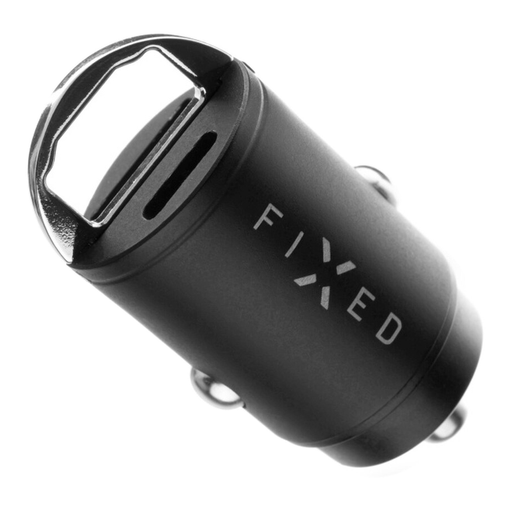
Why this choice suits this profile: Its compact design and two ports are ideal for daily commutes, with one phone and a second device to charge.
The maximum advertised power is 30 W total, which makes the limit clearer. The charger also includes protection against overheating and short circuits.
One USB-C PD port, one USB-A port, and compatibility with 12 V/24 V sockets.
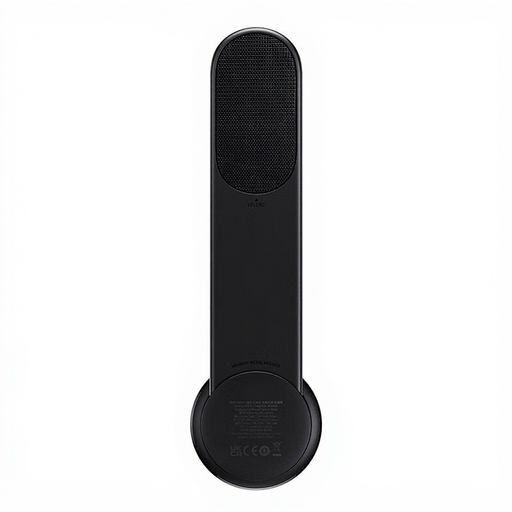
Why this choice suits this profile: This magnetic car mount holds your smartphone while charging it wirelessly, perfect for drivers who prefer a clutter-free cabin.
The magnetic system and adjustable arm avoid the main drawbacks of an unstable or hard-to-angle mount. However, check compatibility with your phone and its case.
Adjustable mount, magnetic attachment, and PD power rated up to 60 W for compatible devices.
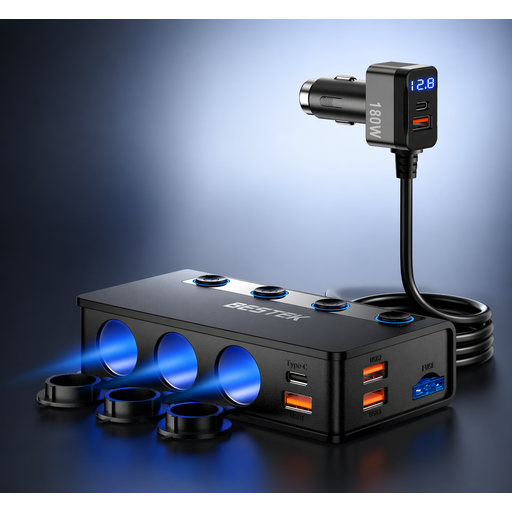
Why this choice suits this profile: Families, professional drivers and frequent travellers can power multiple devices from a single 12 V/24 V socket.
The nine outputs don’t allow every device to draw maximum power simultaneously. You need to distribute the load and respect your vehicle’s limits.
Three cigarette lighter sockets, two USB-C ports and four USB-A ports, with independent switches and voltage display.
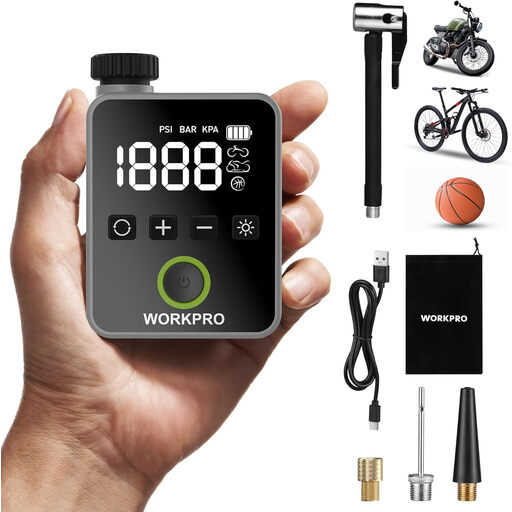
Why this choice suits this profile: Its rechargeable design lets you top up tyre pressure without having to find a petrol station.
The screen shows the pressure and the auto-stop function reduces the risk of over-inflation. It’s still essential to follow the pressure recommended by your vehicle manufacturer.
Pressure rated up to 140 PSI, four nozzles, LED light and USB-C charging. The manufacturer states it is not suitable for truck or trailer tyres.
We’ve put together a comprehensive, real-time updated list of products that meet these demanding selection criteria and European safety regulations.
Depending on your vehicle and habits, other categories can complement this equipment:
Compare the total power output, number of ports and supported charging protocols. For two devices, a USB-C/USB-A model may be enough. For a family or a long journey, a cigarette lighter splitter with several outputs offers more possibilities, as long as you don’t exceed the available power.
Yes, as long as it’s kept charged, dry and away from extreme temperatures. Check its battery level regularly. Before attempting a jump start, inspect the condition of the clamps and follow the manufacturer’s instructions carefully.
Its running cost mainly comes from recharging its battery. However, its runtime varies depending on the number of tyres to inflate, the target pressure and the outside temperature. A full charge before a long journey will prevent it from running out when you need it most.