Who are these formats for?
How often you make coffee, the drinks you enjoy and how much time you’re willing to spend cleaning will help you choose more reliably than the name of the system alone.
Regular capsule users
If you make coffee almost every day and would like to choose your own beans, compare the day-to-day routine of a bean-to-cup machine with your current machine. Switching to beans means dealing with the used grounds, drip tray and descaling.
Households that enjoy a variety of drinks
If you like to switch between espresso, longer coffees and milk-based drinks, check the recipes available on the specific variant you’re considering. A milk system adds parts to clean and extra steps to your routine.
People who prefer fuss-free preparation
If you prefer a ready-to-use portion and want to keep the steps involved in making each coffee to a minimum, capsules or pods are still worth considering. However, check the cleaning requirements and the space needed for the specific machine.
What should you compare before switching?
Start with the drinks you actually make, then consider how each format fits your available space and the cleaning tasks you’re happy to repeat.
| Criteria |
What to check |
Think about your habits |
| Coffee format |
Check which capsules or pods are compatible with the system you’re considering. For whole beans or ground coffee, look at how you fill the machine, measure the coffee and dispose of the used grounds. |
I’d like to choose my own coffee rather than always use a pre-measured portion. Am I happy to fill the machine and empty the used grounds? |
| Cleaning and water |
Check how easy it is to access the used-grounds and drip trays, the instructions for the brewing unit and the descaling programme. De’Longhi says that how often you need to descale depends on water hardness. |
Daily coffee suits me, but I’ll need to fit rinsing the trays and descaling into my routine. |
| Milk-based drinks |
Confirm which drinks the specific variant can make, then compare the steam wand, milk frother and milk system, including their cleaning instructions. |
If I often make cappuccinos, cleaning the milk system will matter just as much as making the drink. |
| Packaging and recycling |
Compare single-serve portions with the packaging used for whole beans or ground coffee, and remember to consider any other packaging involved. For capsules, check what they’re made from and the local recycling guidance; ADEME recommends avoiding mini-portions wherever possible. |
I’d like to reduce individual packaging, while knowing what to do with the capsules or used grounds I actually produce. |
| Space and preparation |
Measure the available space and check that you can access the water tank and compartments. With a portafilter machine, you’ll also need to measure out the coffee and clean up after making a drink. |
In the morning, do I want to measure out the coffee myself, or stick with pre-portioned preparation? |
A guide to the brands
These brands give you a starting point for comparing systems and cleaning instructions; the features of one model won’t necessarily apply across an entire range.
De’Longhi
Worth exploring if you’re considering an automatic bean-to-cup machine and want to understand what’s involved in looking after it.
- De’Longhi says that how often you need to descale depends on water hardness.
- Check the instructions for the specific model, especially for the filter and any parts of the milk system.
Philips / Saeco
A useful reference when comparing some bean-to-cup machines with a milk frother and SENSEO pod machines.
- Philips describes the frother on the Series 2200 model mentioned in its documentation as easy to clean.
- Check the parts, drinks and descaling instructions for the specific model you’re considering; you can’t tell these from the range name alone.
Nespresso
A useful reference for households who want to keep using capsules and make sure they’re recycled correctly.
- Nespresso advises users in France to check the message on their recycling bin for guidance on capsules.
- Before choosing a machine, check its capsule system and the collection options available where you live.
Bean-to-cup machines to explore on Joybuy
These models are for anyone switching from capsules to whole beans with an automatic machine. They don’t replace comparing capsules, pods, portafilter machines and filter coffee machines to find the right fit for your habits.
 Image unavailable
Philips Series 2200 EP2230/10 LatteGo
A bean-to-cup option if you’re switching from capsules and would also like to make milk-based drinks. Check which drinks this variant can make and the cleaning instructions for the LatteGo system.
View on Joybuy
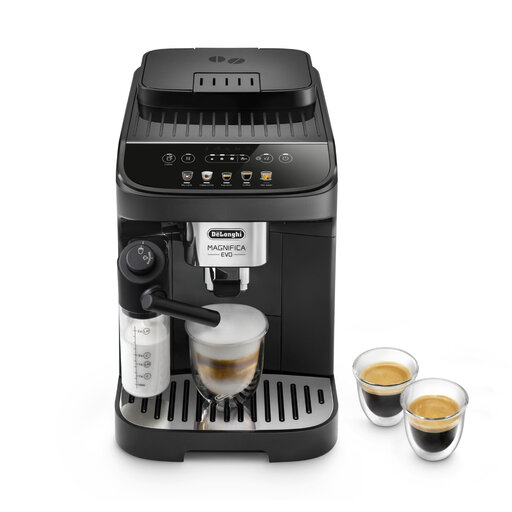 Image unavailable
De’Longhi Magnifica Evo LatteCrema ECAM290.61.B
If you’re looking for a routine that combines whole-bean coffee with milk-based drinks, confirm which recipes this variant offers and what’s involved in cleaning the milk system.
View on Joybuy
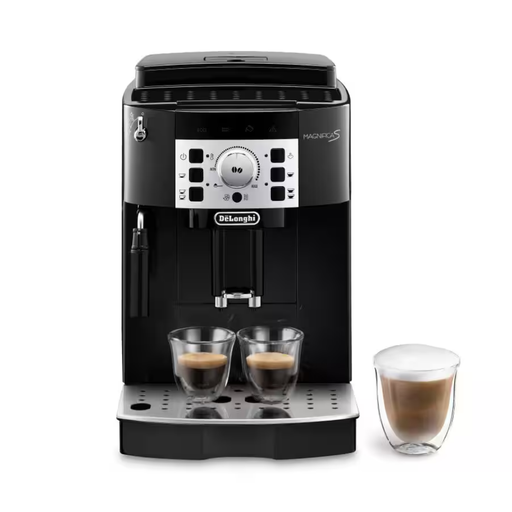 Image unavailable
De’Longhi Magnifica S ECAM22.140.B
A bean-to-cup machine to consider if you’d like to move on from capsules. For milk-based drinks, check how the steam wand works and how to clean it. Also measure your available space before choosing this model.
View on Joybuy
 Image unavailable
HiBREW H16 with grinder and milk system
If you’d like to make coffee with whole beans and enjoy milk-based drinks, compare the available recipes with your usual choices. Check the model’s instructions to find out how to clean the milk system.
View on Joybuy
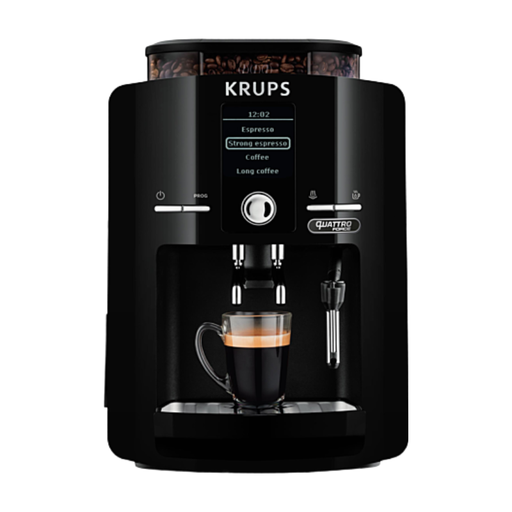 Image unavailable
Krups EA82F0, 1.7 L, 1450 W
If you’re considering this model as an alternative to capsules, check which types of coffee it accepts and the available preparation settings. The product name lists a 1.7 L capacity and 1450 W power; also check the care instructions.
View on Joybuy
Frequently asked questions
Can all capsules go in the recycling bin in France?
Check what the capsule is made from and the local guidance before throwing it away. ADEME explains that aluminium and plastic capsules can be recycled with packaging; Nespresso also recommends checking the label on your recycling bin or using another collection option where needed.
What should I do with the used coffee grounds when I switch to beans?
Follow the local arrangements for recycling food waste, whether that means composting or using a collection service. The French Ministry for Ecological Transition’s guidance on separating waste at source sets out the general approach; your local council can tell you what to do in your area.
What cleaning tasks should I expect with a bean-to-cup machine?
At the very least, you’ll need to empty the used grounds, rinse the trays and follow the machine’s descaling programme. UFC-Que Choisir recommends rinsing the used-grounds and drip trays regularly; also check the instructions for the brewing unit and milk system, if there is one.
Does water hardness affect how often I need to descale?
Yes. According to De’Longhi’s recommendations, how often you need to descale depends on water hardness. Before choosing a bean-to-cup machine, check the instructions for the specific variant, including water-related settings, compatible filters and the descaling process.
Do I need an automatic milk system to make cappuccinos?
No. A steam wand or milk frother can also do the job if you’re happy to prepare the milk separately. If you often make milk-based drinks, focus on comparing the preparation steps and cleaning instructions for the specific system.


