Organisers serving tuna as it is
For a salad, sandwich or plate where the tuna will be visible, the size of the pieces, the recipe and the drained weight can all help you choose the right tin.


For a festival meal, choose your tuna according to how you plan to serve it: go for fillets or whole pieces if you want it to be visible on the plate with minimal preparation, or tuna in spring water if you’d rather add your own seasoning. To work out quantities and plan the service, check the drained weight, ingredients and storage instructions for each product.
For a salad, sandwich or plate where the tuna will be visible, the size of the pieces, the recipe and the drained weight can all help you choose the right tin.
If you’re adding tuna to a dish for a group, a tuna-in-spring-water recipe lets you choose the oil, herbs and seasoning to add while cooking.
When you’re expecting several guests, the drained weight, number of tins to open and instructions for storing leftovers matter just as much as the pack size.
First, decide whether you’ll serve the tuna in pieces or mix it into a recipe. Then compare the quantities you’ll actually serve and any storage requirements, particularly if the meal is spread over several sittings.
| What to consider | What to check | Who is it for? |
|---|---|---|
| How the tuna is presented | Whether the product is described as “fillets” or “whole tuna”, and the shape of the product in the listing you choose. | For a plate or sandwich where the tuna will be visible, I want pieces that suit the way I plan to serve it; around 36% of consumers would put this first. |
| Control over the recipe | Whether it’s in spring water or oil, and the ingredients list. | If I’m making the dressing myself, I’d rather choose the oil and flavourings separately; this would be the top priority for around 29% of consumers. |
| Portions and leftovers | The drained weight, tin size and instructions for storing the product after opening. | When serving a group, I need to work out how much tuna I can use and make sure there’s somewhere cool to store opened tins; around 21% of consumers would prioritise this. |
| Label and sourcing | The species listed, nutritional information and any certification shown for the specific product. | If the species, salt content or a certification influences my choice, I want to be able to check those details on the tin; around 14% of consumers would put them first. |
The liquid the tuna is packed in is included in the total weight, but not in the amount of drained tuna you’ll serve.
To work out how many tins you need, use the drained weight shown on each one and consider how much tuna you plan to serve with the meal.
Storage instructions after opening vary from one product to another. An opened tin won’t keep in the same way as one that’s still sealed.
Only open as much as you need for the meal, and have suitable containers and somewhere cool to store any leftovers. Follow the storage time shown on the product.
A particular species, an olive oil recipe or an MSC claim may apply to one product without applying to the other tins in the range.
If any of these details are important to you, check the label on the tin you’re planning to buy.
The DGCCRF warns that dents, rust marks or a bulging tin may indicate that the food has deteriorated.
Don’t use a tin that is bulging, rusty, leaking or badly dented, and check the packaging before taking it to the festival.
The brand offers several ranges, including tuna in spring water, tuna in oil and white tuna.
Saupiquet offers tuna fillets in extra virgin olive oil for a dish that needs little extra preparation before serving.
Carrefour’s products include tuna in spring water and recipes with olive oil across different ranges.
One Auchan product combines whole yellowfin tuna with extra virgin olive oil.
A Sol&Mar product listed by Lidl comes in a 750 g pack and combines skipjack tuna with sunflower oil.
Marque Repère is E.Leclerc’s food range. Check each product individually when shopping in store or online for collection.
These Petit Navire products are mostly recipes in spring water, so you can add your own seasoning, along with one recipe in sunflower oil. Compare the pack sizes and details on each tin to find one that suits how you plan to serve it.
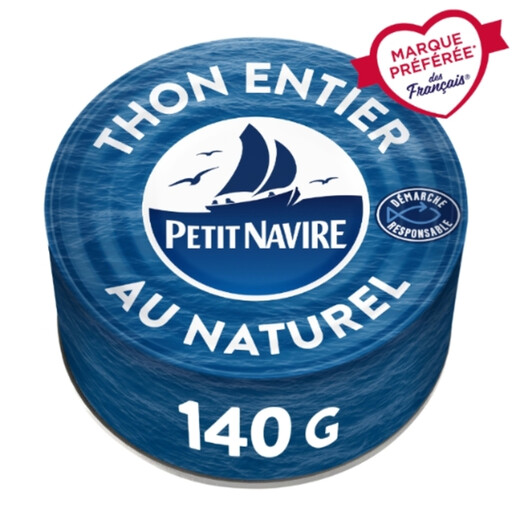 Image unavailable
Worth considering if you’d like to season the tuna yourself for a salad or a dish for a group.
The title states 140 g. Check the drained weight on the tin to work out how much you’ll be serving.
If you’re expecting leftovers, follow the storage instructions after opening shown on the packaging.
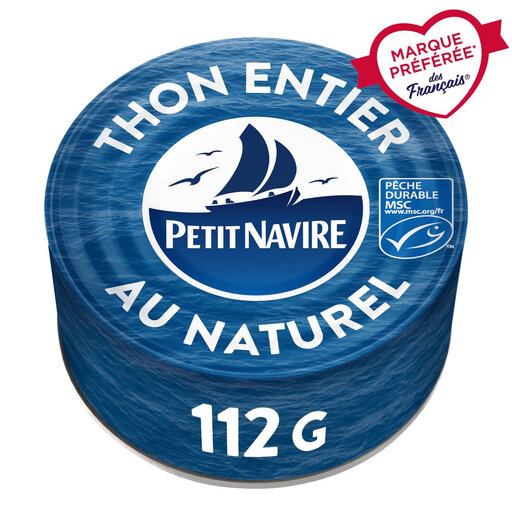 Image unavailable
This recipe in spring water suits a menu where you’d like to choose the seasoning yourself.
The title distinguishes between 112 g drained weight and 160 g total weight: use the first figure to work out how much tuna you’ll serve.
If the species or MSC label influences your choice, check these details on the tin.
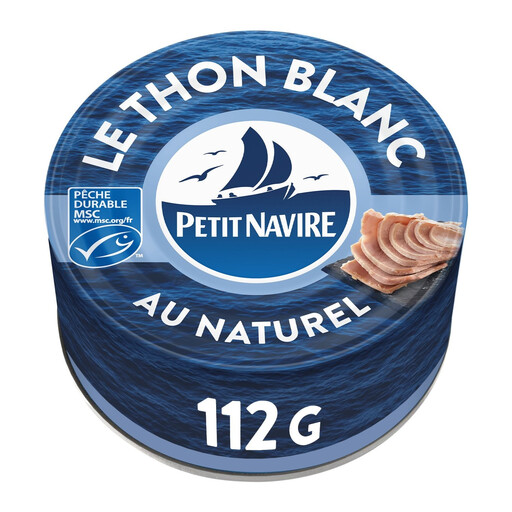 Image unavailable
This product in spring water can be added to a salad or filling, with the seasoning of your choice.
The title states 112 g but doesn’t say whether this is the drained weight: check before working out portions.
Also check the MSC label on the packaging if it affects your choice.
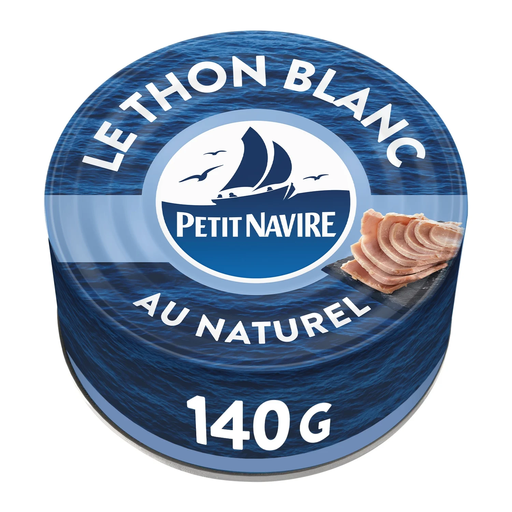 Image unavailable
This tuna in brine can be used in a dish with other ingredients added afterwards.
The title states 140 g. Check the label for the drained weight before working out portions, and to confirm the species if that matters to you.
Have a suitable container and somewhere cool to store the tuna if you won’t use the whole tin.
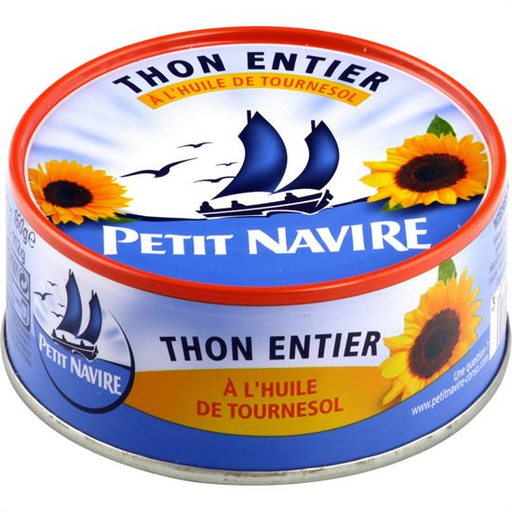 Image unavailable
Consider it for a salad or sandwich if tuna in sunflower oil suits your menu.
The title states 160 g, but doesn’t give the drained weight; check the tin.
If presentation matters for your meal, also check the shape of the tuna before buying.
Compare products based on details that matter for your recipe: fillets or pieces, the species listed, drained weight, ingredients and instructions for storing the tuna after opening. A particular oil or a claim that it has been prepared by hand doesn’t, on its own, prove that it tastes better than other products.
Follow the instructions on the product you’ve bought. For its yellowfin tuna in olive oil, Auchan advises transferring the tuna to an airtight container rather than leaving it in the tin, keeping it at +4 °C and eating it within 24 hours. Saupiquet says its tuna fillets in olive oil can be kept in the fridge for two days.
No, the date alone isn’t enough to judge the condition of a tin. Follow the storage instructions and check the tin: the DGCCRF highlights dents, rust and bulging as possible signs of deterioration. If you’re unsure about its condition, don’t eat the contents.
If you’re serving fish regularly, varying the species rather than serving only tuna is in line with the general recommendations from Anses, which also encourage variety in where your fish comes from. Plan which tinned products to serve at each meal according to the menu and your guests.