People planning their Christmas meals in advance
If you’re planning several meals or catering for unexpected guests, compare the drained net weight, tin sizes and dates on the tins, rather than simply counting them.


When shopping for Christmas, start by choosing canned tuna to suit your planned recipes and the drained quantity you need. Whole tuna in water is ideal when you want the pieces to remain visible, while tuna in oil offers a different option for your cooking. Then compare the ingredients, salt content and date on each tin. If a fishing certification matters to you, check that it appears on the specific product.
If you’re planning several meals or catering for unexpected guests, compare the drained net weight, tin sizes and dates on the tins, rather than simply counting them.
Whole tuna pieces can stay visible in a salad or filling. If you want the oil to be part of the finished dish, look for a product packed in oil instead.
Check the ingredients list, salt content and fishing information for each product: these can vary even within the same type of tuna.
Start with the meals you’re preparing and the quantities you’ll need, then compare the tins by their ingredients and any fishing information that matters to you.
| What to consider | What to check | Who it matters to |
|---|---|---|
| Quantity for your meals | Drained net weight in g and tin sizes; the date shown on each tin. | For several festive meals, I want to make sure I have enough usable tuna without relying on the total weight alone. Around 29% of consumers put quantity first. |
| How it works in your recipe | Whole tuna or another presentation; packed in water or oil. | If I want the pieces to remain visible in a starter, I won’t choose the same type as I would for a recipe where I want to use the oil. The finished dish comes first for around 29% of consumers. |
| Ingredients and salt | Ingredients list and salt content per 100 g for the product you’ve chosen. | I prefer to compare the exact recipes before choosing a tin packed in water: they may contain different ingredients. Ingredients are the top priority for around 21% of consumers. |
| Fishing information | Species listed and whether the specific tin carries the MSC label; don’t confuse it with a FIP. | If I’m looking for a certification, I want to be able to identify it on the product I’m buying, rather than infer it from a fishery’s commitment. Around 21% of consumers put this first. |
Some of the contents may be the liquid the tuna is packed in. The DGCCRF states that the drained net weight must be shown when food is sold in a liquid like this.
To work out how much tuna you’ll have for your recipes, compare the tins’ drained net weights.
Petit Navire mentions a fishery improvement project, or FIP, for one of its products, while Saupiquet and Sol&Mar label some products as MSC certified. These terms don’t mean the same thing.
If MSC certification is important to your choice, look for the label on the packaging of the product you buy.
The Petit Navire tuna in water featured by the brand contains 0.5 g of salt per 100 g. Saupiquet’s MSC-certified whole tuna in water contains 1 g of salt per 100 g and includes a natural flavouring.
Read the ingredients list and nutritional information on the specific tin you’re thinking of buying.
Storage instructions change once a tin has been opened. For the Saupiquet MSC-certified whole tuna in water featured by Auchan, the instructions say to store it at between 0 and 4 °C and eat it within 48 hours.
Refrigerate leftovers in a suitable food container and follow the instructions on your own tin.
The brand offers, among other products, whole tuna in water with a short ingredients list.
Saupiquet offers MSC-certified whole tuna in water in several sizes, designed to be used without draining.
This own-brand product is worth considering if you need whole albacore tuna in water, with pieces that stay visible in your recipes.
This range, sold by E.Leclerc, includes a small tin of MSC-certified albacore tuna in water.
Lidl France sells skipjack tuna in sunflower oil under this brand, with MSC certification.
These tins include options packed in water and one packed in sunflower oil. For your Christmas meals, compare the type of tuna and the drained weight shown on the packaging before deciding how much to buy.
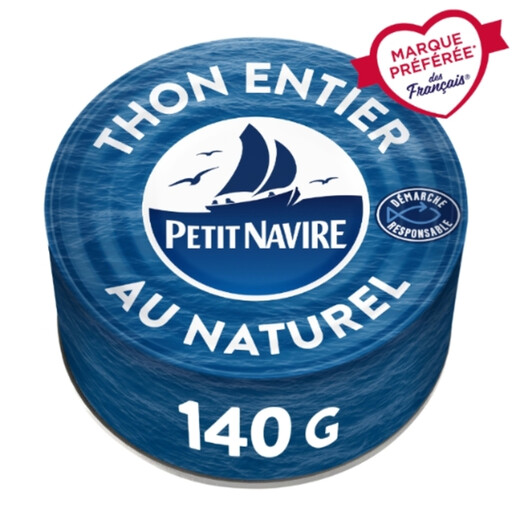 Image unavailable
A good option for a tuna salad or sandwich. The stated pack size is 140 g; check the drained net weight on the tin to work out how much usable tuna you’ll have.
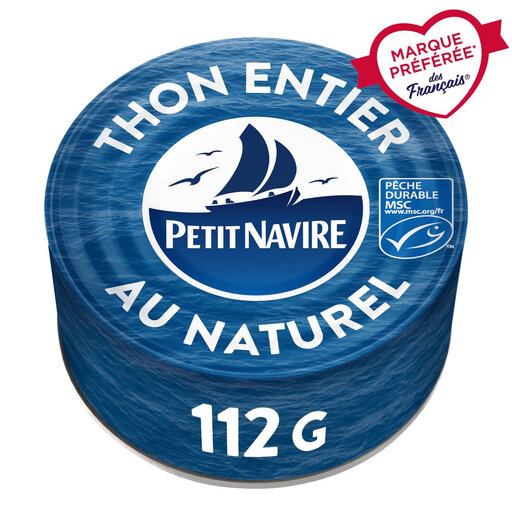 Image unavailable
For a recipe calling for tuna in water, the product title distinguishes the total weight of 160 g from the drained weight of 112 g. If the MSC label is important to you, check it on the packaging of the product you receive.
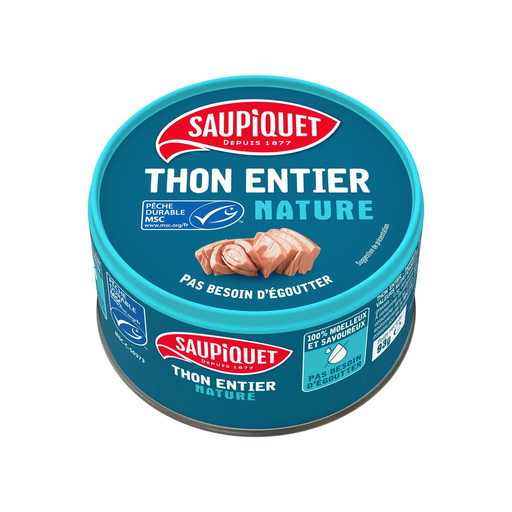 Image unavailable
This smaller size may suit a recipe that needs only a little whole tuna. The stated pack size is 93 g; check the drained net weight on the packaging to work out how many portions it will make.
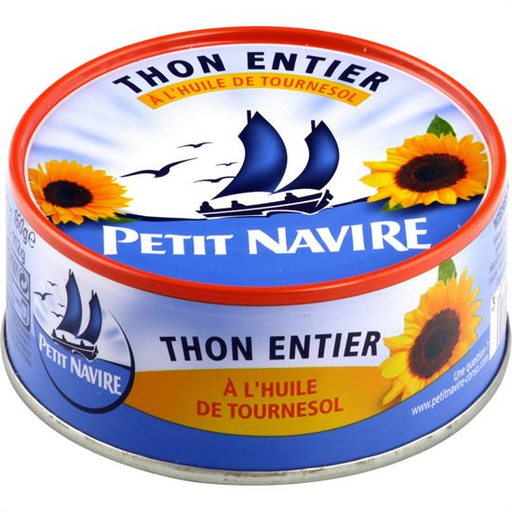 Image unavailable
Consider this product if sunflower oil suits the dish you’re preparing. The stated pack size is 160 g; to work out how much tuna you’ll have, check the drained net weight on the tin.
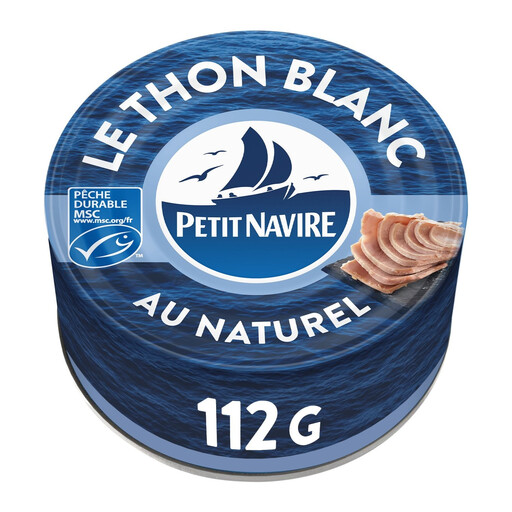 Image unavailable
This white tuna in water could work well in a salad or pasta dish. Check the drained net weight to plan your portions, and look for the MSC label on the packaging if it matters to you.
If the tuna is packed in liquid, compare the drained net weight: this shows how much tuna is left after draining. The DGCCRF states that this information must appear on the label in this case. Check it before working out how many tins you’ll need for your recipes.
No. The date of minimum durability, or DDM, does not mean the same thing as the use-by date, or DLC. The French Ministry of the Economy distinguishes the DLC, a strict deadline for highly perishable foods, from the DDM. Check which date is actually printed on each tin and follow its storage instructions.
For the Saupiquet MSC-certified whole tuna in water featured by Auchan, keep the product in the fridge at between 0 and 4 °C and eat it within 48 hours. Transfer any leftovers to a suitable food container and check the instructions on your tin, as they may vary by product.