People making savoury tuna biscuits
For crackers, savoury shortbread or appetisers, check how much tuna the recipe calls for, whether it needs to be drained and what texture you want before choosing a tin size.


Canned tuna isn’t an ingredient to choose if you want to reduce the sugar in a sweet biscuit: the sugar content of the recipe also depends on its other ingredients. For savoury biscuits, crackers or appetisers, it may be suitable if the recipe calls for tuna. If so, compare the sugar and salt listed for the product you choose, as well as its size and storage instructions.
For crackers, savoury shortbread or appetisers, check how much tuna the recipe calls for, whether it needs to be drained and what texture you want before choosing a tin size.
The ‘of which sugars’ line shows the declared value for a specific tin. A figure of 0 g does not, by itself, mean the product carries a comparative ‘reduced sugar’ claim or that the finished biscuit contains less sugar.
Tuna in spring water can contain salt. Compare the values given per 100 g and take into account any other salty ingredients in the dough or filling.
First, decide whether the biscuits will be sweet or savoury. If the recipe is savoury and calls for tuna, check the nutrition label and how much you’ll need.
| Criterion | What to check | Who is it for? |
|---|---|---|
| Type of recipe | Make sure the recipe calls for tuna in a savoury dough or filling, and check whether it needs to be drained. | I’m making tuna crackers or appetisers and need to choose a tin that suits this recipe, not a sweet biscuit. Around 50% of consumers put this compatibility first. |
| Sugars listed | Read the ‘of which sugars’ value for the product you’ve chosen; don’t confuse 0 g with a ‘reduced sugar’ claim. | I want to know what the tin adds to my recipe without attributing the value on the label to the finished biscuit. For around 30% of consumers, checking sugars is the main priority. |
| Salt and leftovers | Compare the salt per 100 g and choose a size that suits the quantity you need; follow the storage instructions after opening. | My dough or filling already contains salty ingredients, and I only plan to use part of the tin. Around 20% of consumers put salt and managing leftovers first. |
The nutritional value of tuna won’t reduce the sugar contributed by the other ingredients. Adding fish also changes the nature of the recipe.
For a sweet biscuit, look at the dough recipe rather than replacing an ingredient with tuna. Save tuna for savoury recipes that call for it.
The products reviewed don’t all have the same salt content: Petit Navire lists 0.5 g of salt per 100 g for its Thon Entier au Naturel -25 % de Sel, while Saupiquet lists 1.3 g per 100 g for its tuna pieces in spring water.
Compare the salt on the labels of the products you’re considering, and adjust the seasoning in your recipe accordingly.
The packing liquid may affect a recipe that calls for drained tuna. Storage instructions for leftovers also vary from one product to another.
Follow the recipe’s instructions for draining and the tin’s instructions for storing any unused tuna.
A tin that’s larger than you need may leave you with leftovers to use within the stated time after opening.
Anses highlights a risk from methylmercury if certain fish are eaten in large quantities, and publishes specific recommendations for pregnant or breastfeeding women and young children.
If the recipe is for these groups, consult Anses’ French recommendations on choosing and eating fish.
The tuna in spring water products reviewed have different salt contents, making them useful for comparison when preparing a savoury recipe.
Its skipjack tuna pieces in spring water are available in the pack sizes reviewed: 3 × 80 g and 160 g.
The product reviewed is a 93 g tin of whole tuna in spring water, a size to compare with the amount needed for a savoury filling.
The 81 g skipjack tuna fillets in spring water reviewed are a small size to consider for a savoury recipe.
The Eco+ skipjack tuna pieces in spring water reviewed offer another product to compare for a savoury recipe.
These tins are options for savoury biscuits, crackers or appetisers whose recipes call for fish. Tuna in brine, in spring water and in oil may not be used in the same way, so check the quantity and whether it needs draining before choosing.
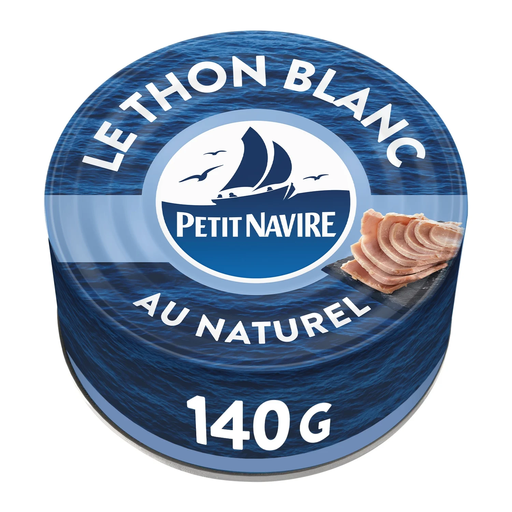 Image unavailable
Worth considering if your savoury recipe calls for canned tuna. This product is packed in brine, so check whether the recipe calls for it to be drained and take account of the salt in the other ingredients.
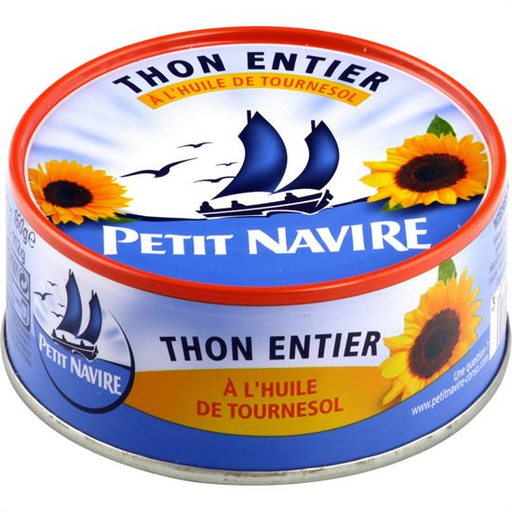 Image unavailable
Consider this for a savoury recipe that calls for tuna in oil, checking how much you need. The sunflower oil packing is a factor when choosing a product for your recipe; follow its instructions on whether to drain it.
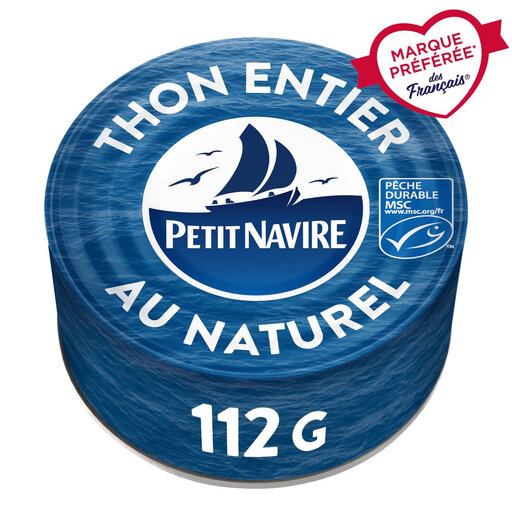 Image unavailable
If your savoury recipe specifies a quantity of drained tuna, the stated 112 g lets you compare the pack size with the amount required. Also check the seasoning called for in the recipe.
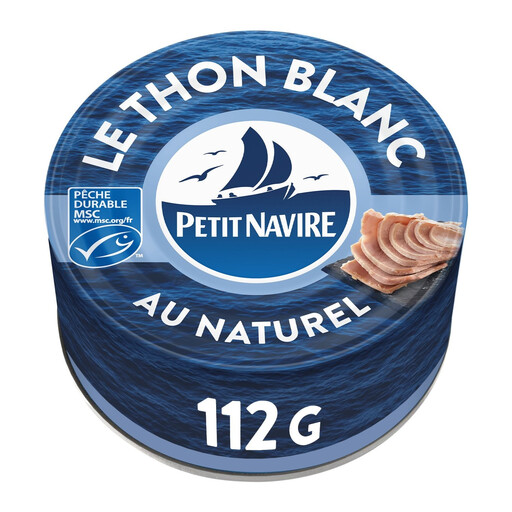 Image unavailable
Compare this with other sizes if you’re making a small amount of savoury tuna filling. Check the quantity specified in your recipe and the storage instructions if you don’t plan to use the whole tin.
No. Tuna won’t reduce the sugar contributed by the other ingredients in a sweet biscuit. It can, however, be used in a separate recipe for savoury biscuits, crackers or appetisers that calls for fish.
Not automatically: 0 g of sugars is a declared nutrition value for a particular product, while ‘reduced in sugar’ is a comparative claim. European rules on nutrition claims distinguish between these terms, so check the claim made on the product rather than inferring one from the value alone.
Follow the instructions on the tin you choose, as they vary by product. For the tuna pieces in spring water reviewed, Saupiquet says to refrigerate and eat within two days. For the fillets reviewed, Auchan says to transfer them to an airtight container, store them outside the tin at +4 °C and eat within 24 hours.
Yes. When choosing fish, take account of the French recommendations for these groups. Anses publishes specific advice on exposure to methylmercury during pregnancy, breastfeeding and early childhood; consult it if you plan to serve tuna.