Versatile bases for several recipes
You’re preparing tuna to divide between salads, pasta dishes or sandwich fillings. Tuna in spring water lets you choose the seasoning for each dish; pick a pack size that suits the number of portions.


To prepare several recipes from the same base, choose tuna in spring water and check its net drained weight against the portions you have planned. Tuna in oil is better suited to a dish where the oil is part of the recipe. In all cases, check the ingredients and storage instructions after opening before choosing a pack size.
You’re preparing tuna to divide between salads, pasta dishes or sandwich fillings. Tuna in spring water lets you choose the seasoning for each dish; pick a pack size that suits the number of portions.
You want to divide the ingredients between several dishes quickly. Ready-drained tuna saves you a step, but the pack size should still match the amount you plan to use.
You check the ingredients, salt and allergens before choosing. If an MSC label matters to you, check that it appears on the specific product you’re buying rather than assuming it applies to the whole range.
For meals prepared in advance, first choose a recipe that suits the dishes you have planned, then pick a pack size you can use within the stated time after opening. If the can contains a covering liquid, the net drained weight helps you plan how much solid tuna you’ll have.
| Criteria | What to check | Who it matters to |
|---|---|---|
| Versatility | Recipe in spring water, oil or sauce; ingredients list. | If I want to season salads and pasta dishes differently, I prefer to start with tuna in spring water. Around 29% of consumers would prioritise this flexibility. |
| Portions | Net drained weight when the can contains a covering liquid; pack size suited to the meals planned. | To divide the tuna between several dishes without leaving an opened can, I need to know how much solid tuna is inside. This would be a priority for around 29% of consumers. |
| Preparation time | ‘Ready-drained’ label and instructions for after opening. | When I’m preparing several dishes in one session, skipping the draining saves me a step. Around 21% of consumers would prioritise this. |
| Ingredients and precautions | Ingredients, salt per 100 g, allergens and any MSC label on the specific product. | If I need to account for an allergen or compare the salt content of two recipes, I read each label rather than relying on ‘in spring water’. This would be a priority for around 21% of consumers. |
For a can containing a covering liquid, the total weight doesn’t tell you how much solid tuna it contains. The DGCCRF specifies that the net drained weight must be stated in this case.
Use this weight to plan portions and compare pack sizes.
Once opened, a can no longer keeps in the same way as a sealed one. Product listings from Auchan state that the tuna should be refrigerated and eaten within two days or 48 hours of opening, depending on the product.
Choose a large pack if you’ll use its contents within the time stated on the label; otherwise, consider smaller cans.
This label describes the recipe, not a consistent salt content across different products. Petit Navire, for example, offers a product labelled as reduced in salt, which is different from its other tuna in spring water.
Compare the ‘salt’ line in the nutritional information per 100 g for the specific products you’re considering.
The DGCCRF lists dents, rust and bulging among the signs that a canned product may have deteriorated.
Discard a can showing any of these signs, or if you have any doubts about its condition.
The range includes tuna in spring water in different pack sizes, as well as ready-drained, MSC-labelled and reduced-salt options.
Saupiquet offers tuna in spring water, oil and seasoned recipes. The right choice depends on how much seasoning you want in your dishes.
One Carrefour tuna-in-spring-water product lists a net drained weight of 560 g, so check that the pack size suits the number of portions you’re preparing.
The Marque Repère Pêche Océan range lets you compare tuna in spring water, oil or flakes.
The range includes, among other options, whole white tuna in spring water and skipjack tuna chunks.
One Sol&Mar product combines skipjack tuna with sunflower oil and carries an MSC label.
These products let you choose between tuna in spring water that you can season to suit different meals, and a sunflower oil recipe for a dish you’ve already planned. When working out portions, distinguish the stated weight from the net drained weight if the tuna comes with liquid.
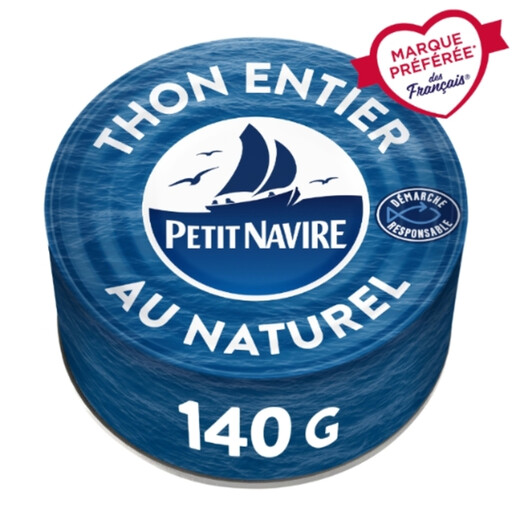 Image unavailable
Worth considering if you want to season the tuna differently for each dish. The listed pack size is 140 g: check the net drained weight to work out your portions.
After opening, transfer the contents to a non-metallic container, refrigerate and eat within 24 hours, as instructed for this product.
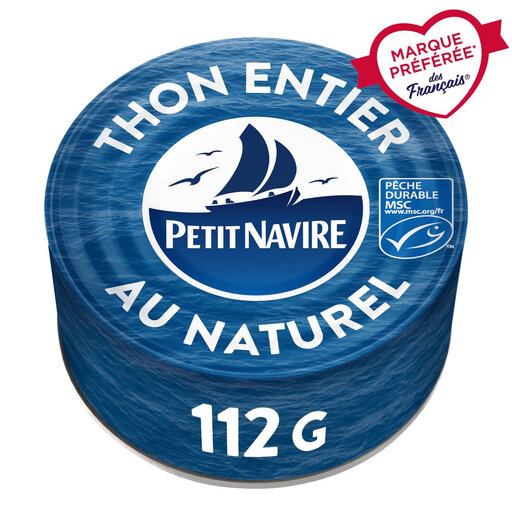 Image unavailable
A base in spring water to divide between recipes that you’ll season separately. This product lists a total weight of 160 g and a net drained weight of 112 g; the MSC label appears in its name.
After opening, refrigerate the tuna and eat it within two days, as instructed for this product.
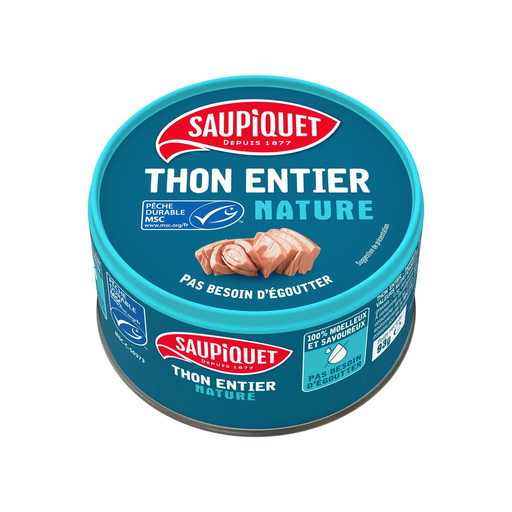 Image unavailable
The listed 93 g pack size may suit a smaller dish; check the net drained weight before counting on this amount for your portions.
After opening, transfer the tuna to a non-metallic container, refrigerate and eat within 24 hours, as instructed for this product.
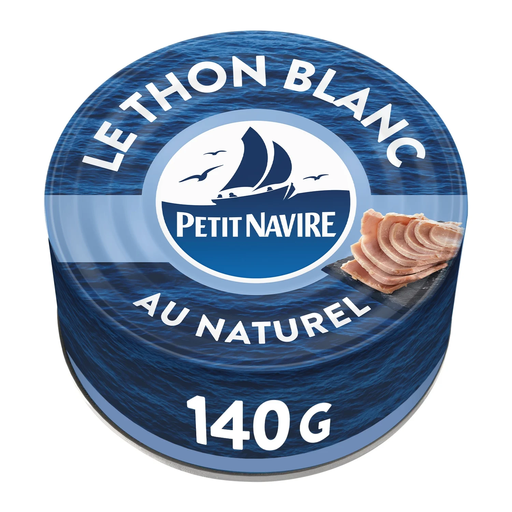 Image unavailable
Consider this for a recipe that calls for white tuna in spring water. The listed pack size is 140 g; check the net drained weight to find out how much solid tuna you’ll have.
Before opening, store the can in a cool, dry place. After opening, remove the tuna from the can, refrigerate it in a sealed container and eat it within 24 hours, as instructed for this product.
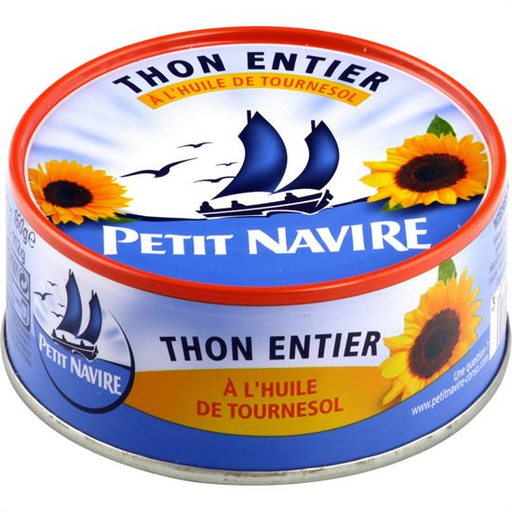 Image unavailable
This recipe suits a dish where you want sunflower oil, rather than a base for adding different seasonings. The listed pack size is 160 g; check the net drained weight to plan your portions.
After opening, refrigerate the contents in a suitable container and eat within two days, as instructed for this product.
If the tuna comes in a covering liquid, check the net drained weight: this tells you how much solid tuna there is to divide between portions. The DGCCRF specifies that this information must appear on these products; the can’s total weight is not a substitute.
Refrigerate any leftovers and follow the storage time stated for the product you’ve bought. Product listings from Auchan give a time of two days or 48 hours, depending on the can; some also say to transfer the tuna to a suitable container.
Discard any can you’re unsure about. The DGCCRF says that dents, rust or bulging may indicate that the product has deteriorated.
Check the recipe, allergens, nutritional information and storage instructions for the specific product. If the tuna comes in a covering liquid, also check the net drained weight so you can choose a pack size that suits your portions.
If you’re cooking for someone with a fish allergy, check the label for fish allergens. Anses also highlights specific methylmercury guidance for pregnant or breastfeeding women and children under three. Check the recommendations that apply to their circumstances before planning meals.