Anyone preparing food to share
If you’re putting together several fillings, check the drained weight of the tuna and choose a tin that suits the portions you have planned, while still giving you the option to season each filling as you like.


For a maki or onigiri filling that you plan to mix and season, choose tuna flakes or chunks in water. Whole tuna is a better choice if you want visible pieces; opt for tuna in oil only if the oil works with your dish. In every case, check the drained weight and ingredients on the tin you choose.
If you’re putting together several fillings, check the drained weight of the tuna and choose a tin that suits the portions you have planned, while still giving you the option to season each filling as you like.
A mixed filling and a topping with visible pieces don’t necessarily call for the same format. Compare flakes, chunks and whole tuna to find the texture you want.
Check the species, packing liquid, salt content and allergens. If certification matters to you, make sure it appears on the specific tin you’re buying.
For an Asian-inspired evening, start with the recipe: decide whether the tuna will be mixed in or left visible, then compare the drained weight and seasoning of each tin.
| Criteria | What to check | Who is it for? |
|---|---|---|
| Usable quantity | The drained weight, if shown, and the format you need for the portions you have planned. | When I’m preparing several fillings, I want enough usable tuna without opening more tins than I need. Around 42% of consumers may rank this as their top concern. |
| Texture and recipe | Flakes, chunks or whole tuna; tuna in water or in oil. | For a filling, I’m looking for a texture that’s easy to mix; for a rice bowl, I may prefer visible chunks. Texture may be the top priority for around 33% of consumers. |
| Ingredients and information on the tin | Ingredients, salt per 100 g, the species listed and any certification claim. | If I’m already adding a sauce, I want to know how much salt is in the tuna and what else it contains before seasoning the dish. Around 25% of consumers may prioritise the ingredients and information on the tin above all else. |
For tuna packed in liquid, the total weight isn’t the same as the drained weight of the tuna. The DGCCRF states that the drained weight must appear on the label in this case.
Compare the drained weight to work out how much tuna you’ll need for your fillings.
The oil is part of the recipe and gives you less flexibility if you’re also planning to add a sauce or mayonnaise.
Read the ingredients and choose tuna in water if you want to decide on the seasoning yourself.
This information matters when you’re serving guests or preparing fillings in advance. Storage instructions can vary from one product to another.
Check the label on the tin you’re using and follow the storage instructions after opening.
The brand offers options including whole tuna in water and a ready-drained variety in olive oil.
Saupiquet offers whole tuna in water in several sizes, as well as flakes and tuna in sauce.
The brand offers, among other products, a 140 g drained tin of whole albacore tuna in water.
These E.Leclerc own-label brands include tuna flakes, chunks and whole tuna.
Lidl has offered a large tin of skipjack tuna in sunflower oil under this brand, carrying an MSC claim.
These Petit Navire tuna options in water or brine can be used as a base for a filling you’ll season yourself. Compare the stated size and the texture you want before choosing.
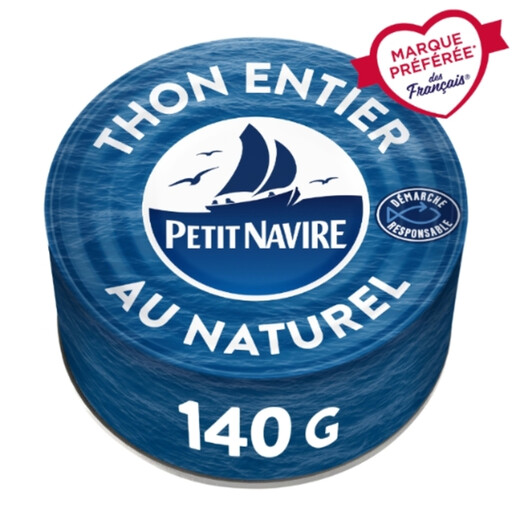 Image unavailable
One to consider for a filling you want to season yourself. The product name indicates a 140 g tin; check the drained weight on the packaging to work out how much you’ll have to use.
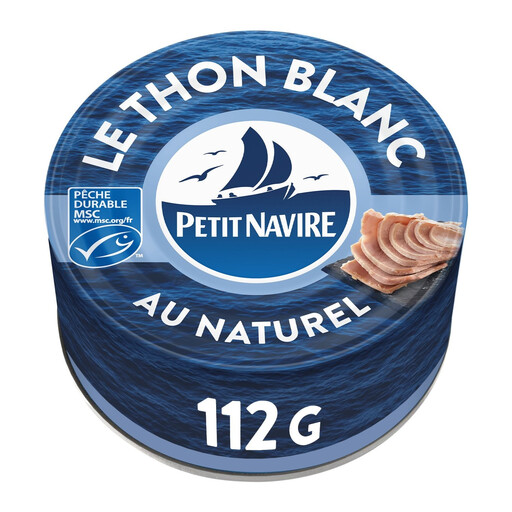 Image unavailable
Worth considering if you want a filling made with natural white tuna. The product name indicates 112 g and carries an MSC claim; check the claim and drained weight on the pack you choose.
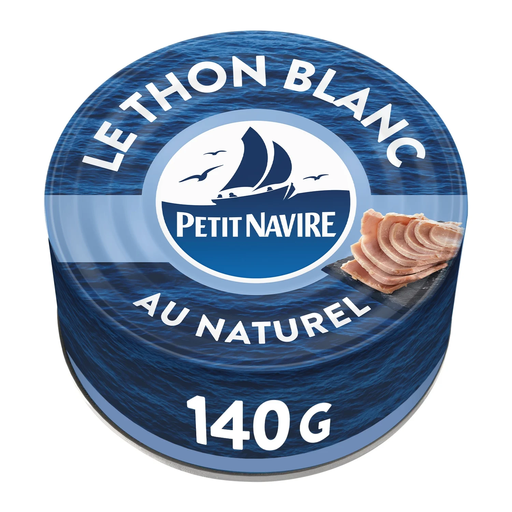 Image unavailable
An option for a mixed filling if tuna in brine works with your seasoning. The product name indicates 140 g; check the drained weight and salt content on the tin.
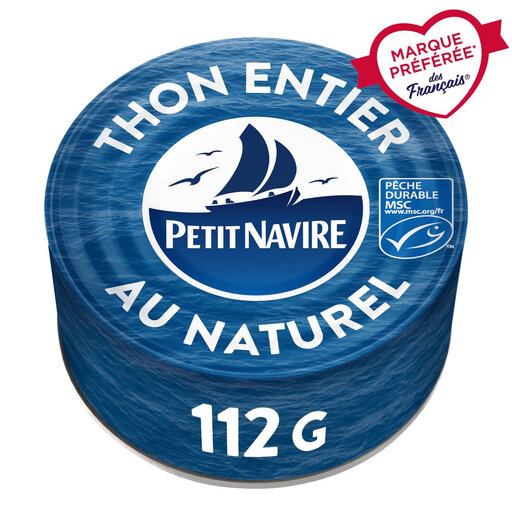 Image unavailable
Worth considering if you want to know the drained quantity before preparing your fillings: the product name states 160 g in total, including 112 g drained. Check the MSC claim on the packaging.
Check the drained weight to estimate how much tuna you’ll have once the packing liquid has been removed. The DGCCRF states that this information must appear on the label when a food is packed in liquid. Then adjust the number of tins to suit the portions you have planned.
Tuna in water gives you more flexibility if you’re planning to add a sauce or mayonnaise to the filling. Choose tuna in oil if the oil is part of the recipe you have in mind, then check the ingredients before seasoning it.
Follow the storage time given for the product you’ve opened. Saupiquet says its MSC whole tuna in water should be refrigerated and eaten within two days of opening; check the instructions for other tins.