People avoiding animal ingredients
If you avoid fish, standard tinned tuna isn't suitable. To find an alternative, check the product name and the ingredients list for the specific product.


A standard tin of tuna contains fish, so it isn't suitable for a vegan shop. If you want something to use in a similar way in a recipe, look for alternatives explicitly labelled vegan, and check their ingredients and storage instructions. If you're looking for a cupboard staple instead, pulses meet a different need without mimicking tuna. Compare the usable quantities and nutritional information per 100 g for products that suit you.
If you avoid fish, standard tinned tuna isn't suitable. To find an alternative, check the product name and the ingredients list for the specific product.
For a salad, sandwich or pasta dish, first consider how you want to use it, then check the alternative's ingredients, declared allergens and storage instructions.
If you'd rather have a staple for several meals than a tuna imitation, pulses are another option. Compare pack sizes, drained weight where applicable and nutritional information per 100 g.
For a vegan shop, rule out tuna containing fish first. Then decide whether you want an alternative for replacing tuna in cooking or a cupboard staple made from pulses: these products serve different purposes.
Consider it: only if your shopping basket doesn't need to be vegan; Petit Navire and Saupiquet product pages list fish among the ingredients.
Limitation: a fishing label doesn't make tuna plant-based.
Consider it: if you want to replace tuna in a recipe while avoiding fish.
Limitation: check that the product is labelled vegan and read its storage instructions; don't assume it can be stored like a tin.
Consider them: if a plant-based base for salads or cooked dishes matters more to you than a tuna imitation.
Limitation: they won't necessarily recreate the flavour or texture you're after, and dried varieties need preparing.
| Criterion | What to check | Who it's relevant to |
|---|---|---|
| Vegan ingredients | Read the product name and full ingredients list; a ‘vegetarian’ label alone doesn't confirm that a product contains no animal ingredients. | If I'm avoiding all animal ingredients, the presence of fish rules out standard tuna before I compare anything else. Around 42% of consumers are said to prioritise this compatibility. |
| Usable quantity | Compare pack sizes and, for products in liquid, check the drained weight where it's given. Compare nutritional information per 100 g on the same basis. | When I'm planning several meals around a cupboard staple, I want to know how much I'll actually be able to use. Around 33% of consumers are said to prioritise this. |
| Use and storage | Check the suggested culinary uses, declared allergens and storage instructions for each alternative. | When replacing tuna in a salad or sandwich, I'm mainly looking for a product that suits the recipe and my storage options. Around 25% of consumers are said to put this first. |
Tuna bearing the MSC label is still fish: the label doesn't tell you whether a product contains animal ingredients.
For a vegan shopping basket, check the ingredients first. Only consider other claims once this first requirement is met.
A ‘vegetarian’ label doesn't guarantee that a product is free from all animal ingredients. Carrefour's Vuna product page describes it as vegetarian and lists wheat gluten among its ingredients.
If you need a vegan product, read the ingredients list and look for an explicit vegan claim on the specific product.
The weight of two different packs doesn't tell you on its own how much food they contain, especially when there's liquid in the pack.
Check the drained weight where available and compare nutritional information per 100 g. Also check separately whether the product needs to be kept chilled.
A tinned tuna brand that helps you identify what a vegan alternative needs to replace, rather than an option for a vegan shop.
Another tinned tuna brand to distinguish from vegan alternatives.
A retailer whose product pages help you distinguish between ‘vegetarian’ and ‘vegan’ claims on tuna-style alternatives.
These Joybuy products are pulse-based staples for plant-based meals, not tins of tuna or imitations of its flavour or texture. Their pack sizes and the preparation they need may help you decide which to choose.
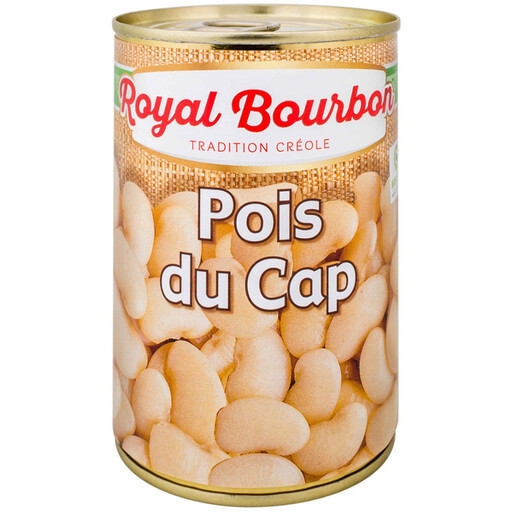 Image unavailable
These peas could make a plant-based base for a salad or cooked dish, but don't expect them to taste like tuna. The stated pack size is 400 g. If you're comparing the usable quantity of products packed in liquid, check the drained weight.
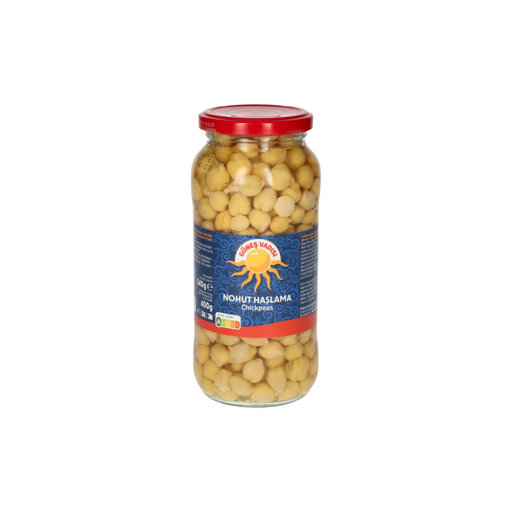 Image unavailable
These chickpeas are worth considering if you want pulses for a salad or cooked dish rather than a tuna alternative. The stated pack size is 540 gr. When comparing jars, check the drained quantity shown on the product.
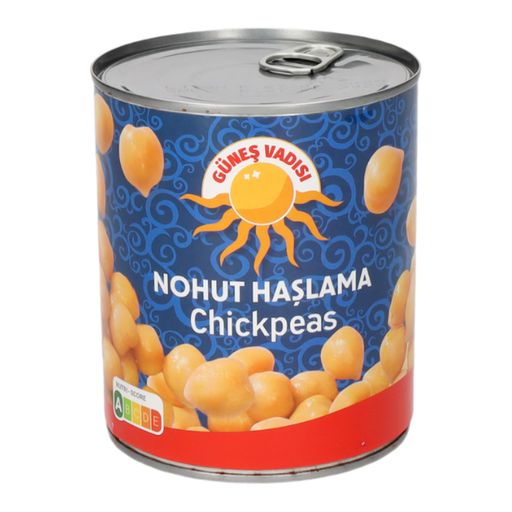 Image unavailable
Another pack size of chickpeas for pulse-based meals, with no tuna-mimicking purpose. The stated pack size is 820 gr: compare the drained weight with the 540 gr jar. The product page also lists lupin as an allergen; check the label if this is relevant to you.
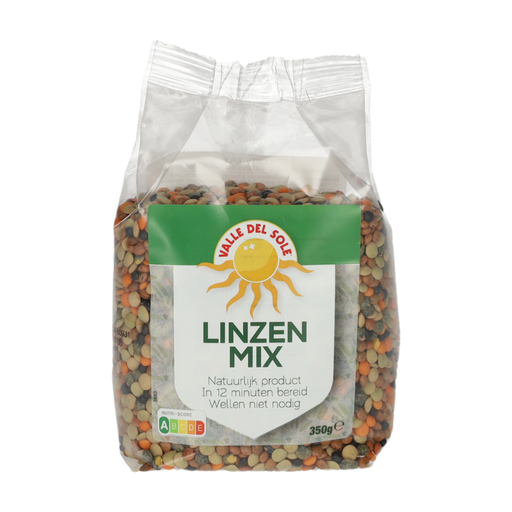 Image unavailable
These lentils are worth considering if you're happy to prepare a plant-based base for soup, salad or a casserole. The stated pack contains 350 g. These dried lentils need preparing and aren't a ready-to-serve substitute for a tin.
No. Tuna is a fish, which is excluded from a vegan diet according to The Vegan Society's definition. Petit Navire and Saupiquet product pages list tuna among their ingredients, so choose another product if you need to avoid fish.
No. A ‘vegetarian’ label alone doesn't confirm that a product is free from all animal ingredients. If you need a vegan product, check the ingredients list and the specific claim on the product.
For products packed in liquid, check the drained weight where it's given rather than relying on the total pack weight alone. If you're also comparing their nutritional content, use the per 100 g values in the nutrition declaration, as explained by the French Directorate-General for Competition Policy, Consumer Affairs and Fraud Control.
Not necessarily. A plant-based alternative may need to be kept chilled, unlike a tin that's designed for cupboard storage before opening. Check the specific product's instructions before deciding where to store it or how to use it.