Cooks avoiding added sugars
You’re making a soup, bake or winter stir-fry and want sweetcorn with no added sugar. That doesn’t mean the product contains no sugars: the ‘of which sugars’ line is still useful when comparing products.


To avoid added sugar in sweetcorn for a hot dish, look for the words ‘no added sugars’, then check the ‘of which sugars’ line separately: sweetcorn also contains naturally occurring sugars. Next, choose a form and drained weight that suit your recipe, checking the salt and ingredients too. ‘No added sugars’ alone does not mean a product is ‘reduced in sugars’ compared with another.
You’re making a soup, bake or winter stir-fry and want sweetcorn with no added sugar. That doesn’t mean the product contains no sugars: the ‘of which sugars’ line is still useful when comparing products.
If your dish already contains stock, cheese, sauce or cured meat, you can compare the salt per 100 g in the sweetcorn, independently of any claims about sugars.
You can choose between products based on organic certification, stated origin or jar packaging. Check each feature on the product you choose: none of these tells you how much sugar it contains.
For a winter recipe, start by distinguishing between no added sugars and the total amount of sugars, then check the form of the sweetcorn and how much you’ll need. Salt and production criteria can help you choose between products that are otherwise suitable for your dish.
| Criteria | What to check | Who is it for? |
|---|---|---|
| Added sugars | The wording on the packaging, the ingredients and the ‘of which sugars’ line per 100 g. | I want to avoid a sweetening ingredient being added to the sweetcorn in my bake, without assuming the sweetcorn is sugar-free. Around 37% of consumers rank this as their top concern. |
| Use in a hot dish | The form of the sweetcorn, preparation instructions and drained weight. | For a soup or stir-fry, I mainly need a pack size I can add to the recipe without being left with too much. This is a priority for around 27% of consumers. |
| Salt | The ‘salt’ value per 100 g and, if it matters to you, the words ‘no added salt’ on the specific product. | My dish already contains several salty ingredients, so I want to take the sweetcorn into account as part of the whole recipe. Around 18% of consumers make salt their top criterion. |
| Production and origin | Organic certification, stated origin or type of packaging, depending on what matters to you. | I want to choose my sweetcorn based on its production method or origin before comparing other features. This is the main concern for around 18% of consumers. |
Bonduelle France’s product information for its sweetcorn with no added sugars states that it contains 5.1 g of sugars per 100 g, described as naturally occurring. No added sugars also doesn’t prove that the product has less sugar than a reference product.
Read the ingredients, then compare the ‘of which sugars’ value per 100 g for the products you’re considering.
A claim about sugars doesn’t tell you how much salt a product contains. This is especially important if your recipe already includes stock, cheese or a salty sauce.
Compare the ‘salt’ value per 100 g. If you’re looking for a product with no added salt, check that this wording appears on its packaging.
The drained weight tells you how much sweetcorn is available for your dish. Once opened, how long it keeps depends on the instructions for that specific product.
Choose a pack size that gives you the amount you need and follow the storage instructions on the packaging. For example, the Auchan Bio product information consulted says to refrigerate the sweetcorn in its liquid and eat it within two days.
These claims answer different questions and don’t tell you how much sugar a product contains. Any claim about residues should be read alongside its conditions and checked for the specific product.
Decide which criterion matters to you, then check the exact wording on the product label.
The details below relate to the specific products mentioned, not every product from each brand. Always start with the individual labels when comparing two types of sweetcorn.
Bonduelle France offers canned sweetcorn with no added sugars that can be used in a hot dish.
Carrefour France’s range includes products labelled with no added sugars and a product labelled with no added salt.
Auchan offers 230 g drained weight of sweetcorn in a jar, labelled with no added sugars and suitable for serving hot or cold.
The product information for one Géant Vert product highlights its crunchy texture, no added sugars and French origin.
E.Leclerc sells crunchy sweetcorn with no added sugars under the Notre Jardin brand in a 3 × 140 g pack.
These products include sweetcorn kernels for hot dishes, as well as baby corn and corn on the cob. First, choose the form you need for your dish. For each product, check the ingredients and nutrition information on the packaging before deciding whether it has no added sugars.
 Image unavailable
Kernels are worth considering for a soup, stir-fry or hot side dish. If you’re looking for a claim about pesticide residues, check the wording and conditions on the packaging. Check the ‘of which sugars’ line separately.
 Image unavailable
The kernels may suit you if you want to add sweetcorn to a soup or another recipe. Check the ingredients, sugars and salt per 100 g on the packaging, as well as how much you’ll need for your dish.
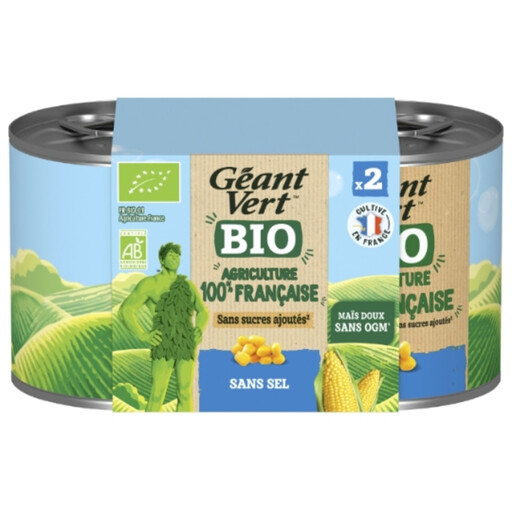 Image unavailable
Kernels are worth considering for a soup or stir-fry. Before buying, check the quantity on the packaging, as the pack size details aren’t clear. Also check the salt content: the ‘Unsalted’ wording in the title conflicts with the ingredients list, which includes salt.
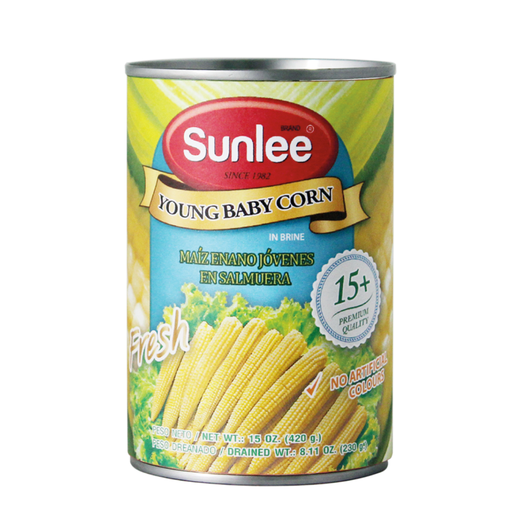 Image unavailable
Baby corn is a different shape from sweetcorn kernels, so check that it suits your soup or stir-fry. If no added sugars is your main priority, check the preparation instructions and the label.
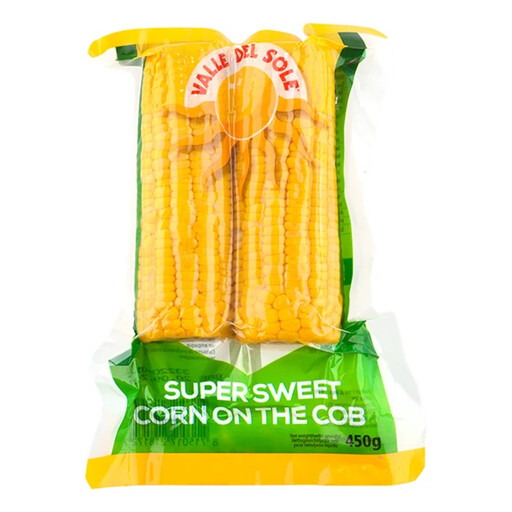 Image unavailable
These cobs are better suited to serving as a side than to a recipe that calls for canned sweetcorn kernels. The pack contains two cobs; check their weight on the packaging to work out how much you’ll need for your meal.
Yes. For the product consulted, Bonduelle France lists sweetcorn, water and salt as ingredients, but also states that it contains 5.1 g of sugars per 100 g, described as naturally occurring. Check both the ingredients and the ‘of which sugars’ line.
No, these claims don’t mean the same thing. European Union Regulation (EC) No 1924/2006 governs nutrition claims. To assess a reduction, you need a documented comparison with an appropriate reference product; simply having no added sugars isn’t enough.
Compare the ingredients and nutrition information per 100 g, particularly ‘of which sugars’ and ‘salt’, then check the quantity and drained weight you need for your recipe. The DGCCRF reminds shoppers that the name of the food, ingredients and nutrition declaration are among the labelling information required for prepacked foods.
Follow the instructions on the tin or jar you’ve bought, as they apply to that specific product. For its jar of sweetcorn with no added sugars, Auchan says to keep it refrigerated in its liquid and eat it within two days of opening.
Not necessarily: the two claims relate to different ingredients. If salt matters for your recipe, check the ‘salt’ value per 100 g and separately confirm whether the product you choose is labelled ‘no added salt’.