Festival-goers without access to refrigeration
If you can’t keep an opened tin chilled, choose a quantity you can finish at mealtime. Smaller tins let you open only what you need.


For a camping trip or festival without reliable refrigeration, choose a tin you can finish at mealtime, then compare the sugars, salt and drained weight on the label. ‘No added sugars’ does not mean ‘sugar-free’ or ‘reduced sugar’: these claims answer different questions.
If you can’t keep an opened tin chilled, choose a quantity you can finish at mealtime. Smaller tins let you open only what you need.
If you’re looking for sweetcorn with no added sugars, also check the ‘of which sugars’ line in the nutrition information: sweetcorn naturally contains sugars.
If salt, the ingredients list or organic certification matters to you, check these details on the product you buy. You can’t infer them from a sugar claim.
First decide how much you’ll be able to eat once the tin is opened. Then compare the sugar and salt claims on the pack sizes that suit you.
| Criterion | What to check | Who it matters to |
|---|---|---|
| Pack size and leftovers | The drained weight per tin and the storage instructions after opening. | Without refrigeration, I want to open only the amount I’ll finish at mealtime; around 42% of shoppers put managing leftovers first. |
| Sugars | The exact claim, the ingredients list and the ‘of which sugars’ figure per 100 g. | I want to tell the difference between no added sugars and the total amount of sugars in the sweetcorn; for around 33% of shoppers, this is the top criterion. |
| Salt and ingredients | The ‘salt’ figure per 100 g, the ingredients and, if it matters to you, the organic claim. | Before choosing food for my camping meals, I want to know whether the recipe contains salt and what ingredients it includes; this comes first for around 25% of shoppers. |
Sweetcorn with no added sugars may still contain naturally occurring sugars. A reduced-sugar claim, on the other hand, requires a comparison with a similar product. The first claim doesn’t prove the second.
Read the exact claim, then compare the ‘of which sugars’ figure per 100 g with the amount you plan to eat.
For the Bonduelle no-added-sugars sweetcorn product examined, Bonduelle advises storing it at a maximum of 4 °C and using it within 48 hours of opening. This can be difficult to manage without reliable refrigeration.
Choose a small tin or plan to share the whole contents at the same meal.
If you plan to keep leftovers, a cool box and ice packs mean extra kit to carry.
A multipack of small tins and a single tin won’t necessarily give you the same amount to open for each meal.
Compare the drained weight per tin with the amount you plan to serve, rather than relying on the number of tins alone.
These claims relate to different characteristics. Some sweetcorn products with no added sugars also list salt as an ingredient.
If salt matters to you, check the ingredients, the ‘salt’ figure per 100 g and the claim on the tin separately.
These examples relate to specific products. Check the pack size and label of the product you choose, and don’t assume the same details apply to every product from a brand.
The no-added-sugars sweetcorn product examined is sold in a 285 g drained-weight tin.
An organic product listed by Carrefour carries both ‘no salt’ and ‘no added sugars’ claims and comes in two tins, each with a drained weight of 140 g.
E.Leclerc lists no-added-sugars crunchy sweetcorn in a 285 g tin and in a multipack of three 140 g tins.
E.Leclerc lists organic sweetcorn with no added sugars in a pack of two 140 g tins.
These products include small packs and tins to consider for a shared meal. When choosing between them for a camping trip or festival, check how much you’ll need to open, the exact sugar claim and the instructions for storing the product after opening. Their inclusion here doesn’t mean they all carry a ‘no added sugars’ claim.
 Image unavailable
Two small tins mean you can open just one for a meal. Check the drained weight per tin and the exact sugar claim. If you have any sweetcorn left after opening, make sure you can keep it refrigerated.
 Image unavailable
This tin could suit a shared meal if you finish the contents once it’s open. Check the drained weight, the sugar claim and the storage instructions before planning to keep any leftovers.
 Image unavailable
For a salad or a meal prepared at your campsite, check that you’ll be able to eat the amount you open or keep it chilled. Compare the drained weight and nutrition information on the tin; don’t infer a ‘reduced sugar’ claim from the ingredients list.
 Image unavailable
Consider this size for a shared meal if you can finish the tin or keep the leftovers chilled. Check the drained weight and sugar content on the label: ‘Supersweet’ doesn’t indicate reduced sugar.
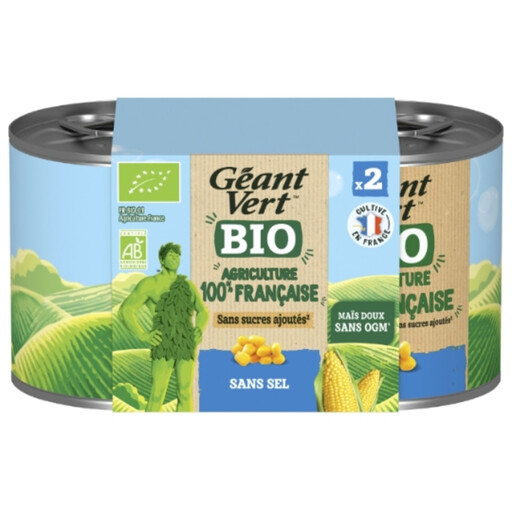 Image unavailable
If you’re looking for a small pack or a no-salt recipe, check the product on the packaging before choosing. The pack size and salt information associated with this product conflict, so don’t rely on either the quantity per tin or the no-salt claim without reading the label on the product being offered.
No. Sweetcorn may contain naturally occurring sugars. The Bonduelle no-added-sugars product examined states 5.1 g of sugars per 100 g; check the ‘of which sugars’ line on the tin you buy.
No. These claims describe different characteristics. Check the claim actually shown on the product: no added sugars, on its own, doesn’t prove that the sugar content is lower than in similar sweetcorn.
Finish it at mealtime if you don’t have a reliable way to keep it chilled. For the no-added-sugars product examined, Bonduelle advises storing it at a maximum of 4 °C and using it within 48 hours of opening; check the instructions for your own tin.
Compare the drained weight per tin, the ingredients, the sugar and salt figures per 100 g, and the storage instructions. The Directorate-General for Competition, Consumer Affairs and Fraud Control notes that nutrition declarations can help you check the amounts of sugars and salt.