Guests keeping an eye on salt
If other barbecue dishes are already salty, look for a ‘no salt’ or ‘no added salt’ claim, then check the ‘salt’ value per 100 g for the sweetcorn you’ve chosen.


For a barbecue, choose sweetcorn based on the salt claim and the ‘salt’ value per 100 g that matter most to you. ‘No added sugars’ does not mean ‘no salt’. Then compare the drained weight and pack size with the number of guests, and follow the product’s instructions once opened.
If other barbecue dishes are already salty, look for a ‘no salt’ or ‘no added salt’ claim, then check the ‘salt’ value per 100 g for the sweetcorn you’ve chosen.
To work out how much to serve, compare the drained weight and the number of tins. A ‘no added sugars’ claim is no substitute for checking the salt content.
Listings such as ‘sweetcorn with no salt’ and ‘sweetcorn with no added salt’ can help you find products. Then check the ingredients and nutritional information for the product you actually choose.
For a barbecue, start with what matters most to you: salt content, how much you need to serve or how easy the product is to find. Then check the label on the tin you’ve chosen.
| Criterion | What to check | Who it matters to |
|---|---|---|
| Salt | Compare the salt claim with the ‘salt’ value per 100 g; don’t confuse either with ‘no added sugars’. | When other barbecue dishes are salty, I want to know how much salt is in the sweetcorn before serving it. Around 43% of shoppers put this first. |
| Pack size and amount to serve | Check the drained weight, the number of tins and the instructions for after opening. | When preparing a salad for a particular number of guests, I want to know how much sweetcorn I’ll actually be able to use. This is the top priority for around 29% of shoppers. |
| Choice at your supermarket | Find a product, then check its ingredients and nutritional information on the detailed listing or packaging. | If I shop at my usual supermarket, I want to quickly find a product whose label I can check. Around 28% of shoppers prioritise being able to make this choice easily. |
These claims refer to different things. Bonduelle’s ‘no added sugars’ product, as described by the brand, contains salt.
If you’re choosing based on salt content, check the ingredients and the ‘salt’ value per 100 g.
A ‘no added salt’ listing can help you find a product, but it doesn’t tell you its nutritional value or how much drained sweetcorn is in the tin.
Confirm these details on the full product listing or the packaging you receive.
Storage instructions after opening vary by product. Bonduelle says its ‘no added sugars’ tin should be kept at no more than 4 °C and eaten within 48 hours of opening. These instructions don’t apply to every brand.
Choose an amount that suits the number of guests, and follow the instructions on each tin for storing leftovers.
A no-salt sweetcorn option to consider if the ‘salt’ value is your top priority.
A product listed as ‘no added salt’ in Carrefour’s range.
Its ‘no added sugars’ product is a good example of why sugar claims and salt claims need to be treated separately.
These two pack formats suit different dishes: tinned sweetcorn kernels for a salad, and a twin pack of corn on the cob as a barbecue side. If salt is your priority, check the value shown for each product rather than assuming it carries a ‘reduced salt’ claim.
 Image unavailable
These tinned sweetcorn kernels are a good choice for a barbecue salad. The pack size is listed as 400 g. To work out how much you can serve, check the drained weight and the ‘salt’ value per 100 g on the label.
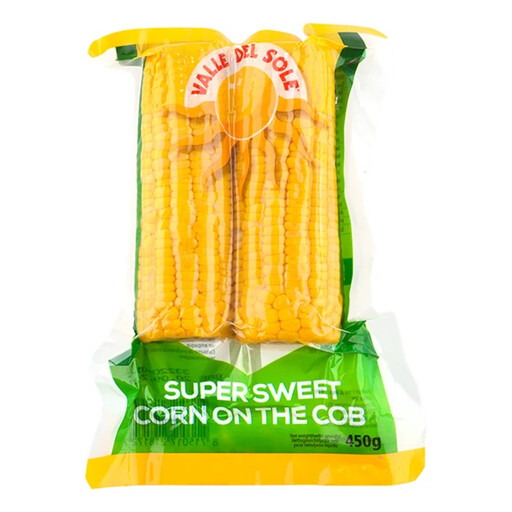 Image unavailable
This pack of corn on the cob is better suited to a barbecue side than a salad made with sweetcorn kernels. Check the weight of each cob, the ‘salt’ value per 100 g and the preparation instructions before choosing this format.
No. These claims refer to different things. According to Bonduelle France, its ‘no added sugars’ product contains salt and has 0.28 g of salt per 100 g. So check the ‘salt’ line for the product you’re thinking of buying.
First compare the ingredients and the ‘salt’ value per 100 g, then check how much you’ll be able to serve. For a tin packed in liquid, the drained weight helps you distinguish the amount of sweetcorn from the total weight. The DGCCRF notes that pre-packed food labels include details such as ingredients, nutrition information and net quantity.
Follow the instructions on the tin you’ve chosen, as they can vary between products. For its ‘no added sugars’ product, Bonduelle recommends keeping it at no more than 4 °C and eating it within 48 hours of opening.
According to the DGCCRF, food can still be safe to eat after its best-before date if the packaging is intact, although its taste and quality may change. This is different from a use-by date, and you should still follow the product’s storage instructions.