To put dinner together quickly, choose fillets or boneless sardines if you want to keep preparation to a minimum, or a tomato recipe if you’d rather not make your own dressing. Sardines in water give you more freedom to put a dish together. Then compare the drained weight, ingredients, salt content and storage instructions after opening for each product.
Who are these canned sardines for?
Anyone who wants dinner in under 10 minutes
If you’re planning to add sardines to bread, a salad or a starchy side, fillets, boneless sardines or a ready-seasoned recipe can help cut down on preparation. The time it takes will also depend on the rest of the meal.
Anyone who likes to choose their own seasoning
Sardines in water let you choose the other ingredients for your dish separately. When comparing two products, check their drained weight and nutritional information rather than relying on the words ‘in water’ alone.
Anyone keeping an eye on salt or bones
Boneless sardines may suit your preferred texture, but that doesn’t tell you how much salt they contain. Check both details for the product you choose, along with the ingredients if there’s anything you need to avoid.
What should you look for?
For a midweek dinner, first choose the type that will save you the most preparation. Then compare the ingredients and the amount of fish you’ll actually use.
| What to consider |
What to check |
Who is it for? |
| Quick preparation |
Look for fillets, ‘boneless’ on the label or a ready-seasoned recipe; also check the drained weight. |
If you need to put dinner together without removing the backbone or making a sauce, the type of sardine matters just as much as the tin itself. Around 42% of consumers would put speed first. |
| Putting a dish together |
Compare the ingredients and, where the information is given on the same basis, the salt and fat per 100 g. |
If you want to season the sardines yourself or choose between a plain, oil-based or sauced recipe, you’ll need to check what’s in each tin. Around 33% of consumers would make this their top priority. |
| Salt and bones |
Check the salt content on the label and see whether the sardines are described as boneless. |
If the backbone bothers you or you’re comparing salt levels, the recipe name alone isn’t enough to help you choose. Around 25% of consumers would put these features at the top of their list. |
Mistakes to avoid
-
Assuming ‘in water’ means low in salt
The Saupiquet sardine fillets in water contain 0.65 g of salt per 100 g drained, compared with 0.90 g for the Connétable boneless sardines in water examined here. So the description alone doesn’t tell you how much salt a particular product contains.
Compare the ‘salt’ information on the same basis, particularly per 100 g drained where this is specified on the labels.
-
Relying on the size of the tin alone
The total contents and the amount of fish left after draining the liquid answer different questions when you’re planning a meal.
Check the drained net weight shown for the product you want to use.
-
Putting an opened tin back in the cupboard
The Saupiquet and Auchan products examined here need to be refrigerated after opening and eaten within two days or 48 hours, depending on the tin.
Refrigerate any leftovers and follow the temperature and storage time shown on the tin you’ve bought.
-
Ignoring a tin that’s swollen, rusty or dented
The DGCCRF says these signs may indicate that a metal tin has deteriorated, even if its date seems fine.
Do not use a tin with any of these signs. If in doubt, don’t taste the contents to check.
Brands to compare
Saupiquet
The range includes sardine fillets in water, in olive oil and in tomato sauce with small vegetables.
- These options let you choose between adding your own seasoning and using a ready-made recipe.
- Check the ingredients, nutritional information and instructions for storing after opening for each product individually.
Connétable
The range includes whole sardines in olive oil, boneless sardines in water and a lemon marinade with no oil.
- The boneless option caters to a particular preference for how the sardines are presented, separate from your choice of seasoning.
- The lemon marinade contains 0.20 g of salt per 100 g drained. This figure applies to that recipe only, not the whole range.
Carrefour Classic'
This supermarket own brand offers sardines in water, in oil, in tomato sauce and with lemon and basil.
- The recipes give you several types of seasoning to compare.
- Check the size and information on each tin rather than assuming that every recipe has the same features.
Auchan
Sardines and sardine fillets in water are among the products in this supermarket own-brand range.
- The product details for the 135 g tin of sardines in water give a drained weight of 95 g, which is useful when planning portions.
- The nutritional information and storage instructions after opening for this tin do not apply to other Auchan products.
Marque Repère / Pêche Océan
The E.Leclerc range includes whole sardines, fillets and a variety of recipes under the Pêche Océan brand.
- This variety makes it easier to choose both the type of sardine and how it’s seasoned.
- When planning dinner, compare the details for the specific product, including its size and ingredients.
Sardines to discover on Joybuy
These tins offer a few different ways to put a quick dinner together: boneless sardines in water, olive oil recipes, fillets and tomato preparations. Choose the type and seasoning that work for your meal.
 Image unavailable
Connétable Boneless Sardines in Water, 98 g
For adding sardines to toast or a salad without having to remove the backbone.
If you’re comparing salt levels, check the basis used for the nutritional information on the label. Once opened, refrigerate and eat within two days.
View on Joybuy
 Image unavailable
Connétable Sardines in Extra Virgin Olive Oil, 140 g
For serving sardines already prepared in olive oil, perhaps with bread or a salad.
This isn’t a tin of sardines in water. To compare its nutritional information with another product, check the basis given on each label.
View on Joybuy
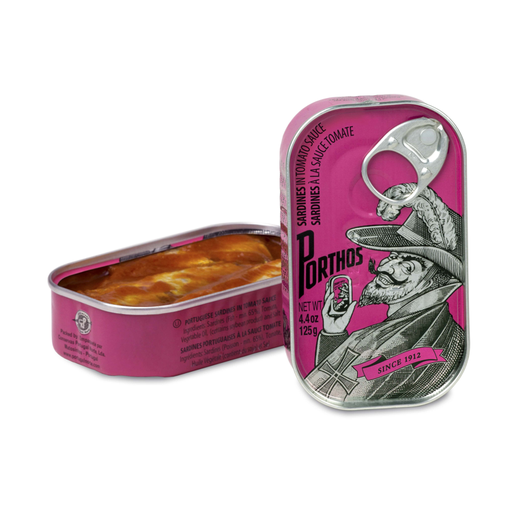 Image unavailable
Porthos Vintage Sardines in Tomato Sauce, 112/81 g
For serving with a starchy side or toast, with a tomato recipe that saves you from making a separate sauce.
The pack size is listed as 112/81 g. After opening, transfer any leftovers to a non-metallic, covered container, refrigerate and eat within three days.
View on Joybuy
 Image unavailable
El Tato Sardine Fillets in Olive Oil, 115/81 g
For adding fillets to a salad, pasta or toast without needing to prepare a separate oil-based dressing.
The pack size is listed as 115/81 g. If boneless sardines are important to you, check this detail on the tin. Refrigerate after opening and eat within 24 hours.
View on Joybuy
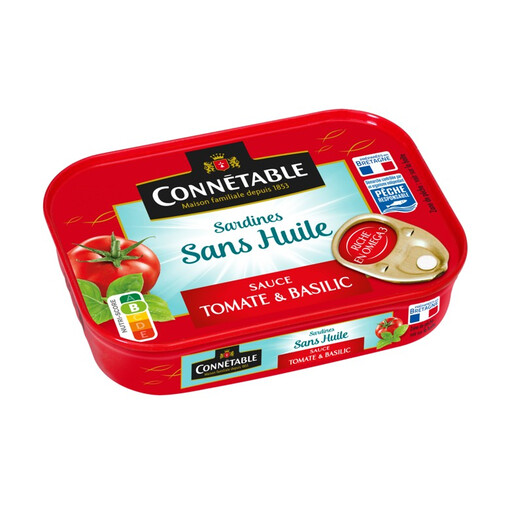 Image unavailable
CONNECTABLE Sardines in Tomato and Basil, 1/6 Tin, 115 g
For adding a tomato and basil recipe to bread or a salad without preparing the seasoning separately.
If bones or ingredients are important to your choice, check the details on the tin. Once opened, refrigerate and eat within two days.
View on Joybuy
Frequently asked questions
Can I keep canned sardines in the cupboard?
Yes, before opening, as long as you follow the storage instructions on the tin. The Saupiquet and Auchan product details examined here advise keeping the tins away from heat. Check the outside of the tin before using it, too.
How long will an opened tin keep?
It depends on the product, so follow the temperature and storage time shown on the packaging. The Saupiquet fillets examined here should be refrigerated and eaten within two days, while the Auchan product specifies storage at between 0 and +4 °C and consumption within 48 hours.
What should I look for on the label when choosing a tin?
Start with the type of sardine, the ingredients and the drained net weight when the fish is in liquid. When comparing recipes, also check the nutritional information on an equivalent basis and look out for allergens highlighted on the pre-packed food label.
Do I have to throw away a tin if its best-before date has passed?
No. A best-before date is not the same as a use-by date. The condition of the tin is still essential: the DGCCRF warns that swelling, rust or dents may indicate deterioration. Do not use a tin showing any of these signs.


