Groups planning meals on the fly
If you want to serve sardines quickly with bread, potatoes or a salad, choose a format everyone in the group will be happy to eat without any extra preparation.


For a holiday let, start by choosing a format that suits the meals you have planned. Fillets or a boneless option make serving sardines on toast or in a salad easier, while whole sardines are a good choice if your guests enjoy their texture. Then match the size and number of tins to the meals you have in mind. Once opened, storage depends on the instructions for each product and may require refrigeration.
If you want to serve sardines quickly with bread, potatoes or a salad, choose a format everyone in the group will be happy to eat without any extra preparation.
An explicitly boneless option makes serving easier and can be mashed with a fork to make a spread, as Connétable says of its boneless version.
If meal plans and fridge space are uncertain, choose tins to suit the number of guests rather than relying on storing an opened tin. Check the after-opening instructions for each product.
First, decide how you’ll serve the sardines, then work out how many tins you’ll open during your stay. Finally, compare the recipe and nutritional information for the exact product you’re considering.
| Criteria | What to check | Who it matters to |
|---|---|---|
| Format and bones | Exact description — fillets, boneless or whole sardines — and drained weight. | If I’m sharing sardines on toast and don’t want to remove bones, I’d choose an easy-to-serve format. Around 40% of consumers put this need first. |
| Quantity and leftovers | Weight per tin, number of tins, best-before date and instructions for storage after opening. | If the group’s meal plans might change at the last minute, I want to avoid leaving an open tin in a shared fridge. This is the top priority for around 30% of consumers. |
| Recipe and label | Ingredients, type of oil, salt and the basis used for the nutritional values. | If the recipe needs to suit the meal I have planned, I compare the oil, ingredients and salt in the tin I choose. Around 30% of consumers make this their first consideration. |
The Saupiquet and Auchan products mentioned here need to be refrigerated and eaten within two days of opening. Don’t automatically apply this guidance to other tins.
Plan quantities around the meals you’re likely to have, and follow the instructions on each product once opened.
An opened tin that can’t be stored according to its instructions may go to waste.
These descriptions don’t mean the same thing. A boneless product meets a specific need, while whole sardines have a different texture.
Read the description on the tin and choose a version specifically suited to your needs if any guests want to avoid bones.
Ingredients and nutritional values depend on the recipe. Auchan also notes that the composition of its product may vary depending on the store and purchase date.
Check the label on the tin you’re actually buying, especially if the type of oil or an allergen matters to you.
A recall applies to identified products, not all canned sardines. The brand and batch details can help you check whether a tin is affected.
If you’re unsure, check the alert on RappelConso and compare the brand, product code, batch and date listed with the details on the tin. Follow the alert’s instructions if they match.
The range includes whole sardines in extra virgin olive oil and a boneless option.
The range includes sardine fillets in extra virgin olive oil, which could work well on toast or in a salad.
Carrefour Classic’ offers whole sardines in extra virgin olive oil, while Carrefour Extra also offers fillets.
E.Leclerc offers sardines in olive oil in a 135 g tin and in a pack of 3 × 135 g.
The range includes sardines in extra virgin olive oil in a 135 g tin.
These options include small sardines, fillets and sardines described as boneless. For your stay, choose according to the texture you prefer, the recipe and how much you’ll be able to eat after opening.
 Image unavailable
Worth considering for a simple meal if your guests would prefer small sardines to fillets.
After opening, follow the instructions for this product: eat within 24 hours and refrigerate if you don’t finish the tin.
 Image unavailable
An option for serving sardines to guests who want to avoid bones, without choosing a recipe in olive oil.
After opening, refrigerate and eat within two days, as instructed for this product.
 Image unavailable
Fillets are quick to serve on toast or in a salad. Check the product’s presentation if it’s important that there are no bones at all.
After opening, refrigerate and eat within 24 hours, as instructed for this product.
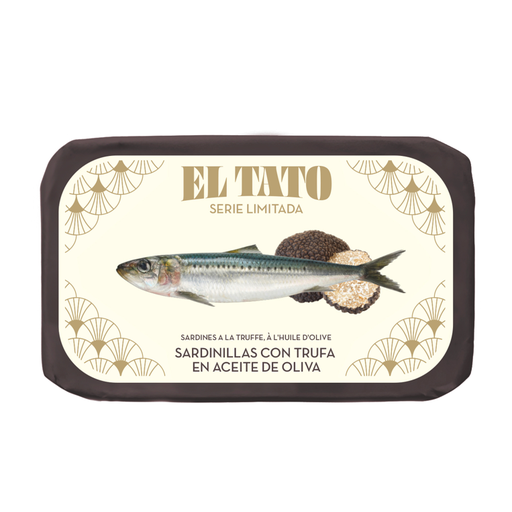 Image unavailable
Consider this truffle version if its seasoning suits your planned meal, rather than treating it as a plain tin.
Check the label if crustaceans or molluscs need to be avoided. After opening, refrigerate and eat within 24 hours, as instructed for this product.
 Image unavailable
Worth considering with bread or a salad if an olive oil recipe suits your guests.
The product information says the central bone has been removed. Check the description on the tin if you need to avoid all bones or want a skinless version. After opening, refrigerate and eat within two days.
Before opening, follow the instructions on the tin. For the Saupiquet fillets mentioned here, the advice is to store them in a cool, dry place away from heat. Once opened, this product and the Auchan one mentioned above should be refrigerated and eaten within two days. The DGCCRF reminds consumers to follow the manufacturer’s storage instructions.
Compare the ingredients, drained weight, salt and the basis given for the nutritional values of each product. A recipe or figures shown for a Connétable, Carrefour or other brand tin won’t automatically apply to its other varieties.
Read the label for the exact product: sardines are fish, and the ingredients and allergen information may vary by recipe. Also check for warnings about the possible presence of other allergens if this matters to your guests.
Don’t eat it until you’ve compared its details with the alert on RappelConso. Check the brand, product code, batch and dates listed, then follow the instructions for the identified product. A recall doesn’t automatically apply to all sardines.