What should you look for first?
First decide whether the sardines are for a meal or whether you’re looking for something to fuel your ride. When comparing tins for a meal, check the amount you’ll actually eat and the information on the label.
| Criteria |
What to check |
Who is it for? |
| Meal composition |
Compare the carbohydrate content per 100 g and choose a separate source of carbohydrates to go with your meal. |
After a ride, I want to plan a meal rather than rely on the tin for carbohydrates; around 33% of consumers prioritise the composition of their meal. |
| Bones and preparation |
Look for the wording “boneless” or “skinless and boneless” and check the format described. |
When I’m short on time to prepare a sandwich or a plate, removing the bones is what puts me off; this is the top priority for around 27% of consumers. |
| Recipe and portion |
Check the ingredients, fat and salt, then compare values on the same basis: as sold or drained. |
I want to know how much fish and oil will go into my meal; around 20% of consumers prioritise checking the recipe and portion. |
| Storage |
Check the best-before date, the condition of the tin and the instructions for after opening. |
To stock up without confusing unopened and opened tins, I check the storage conditions first; this is a priority for around 20% of consumers. |
Sardines to build your meals around
These tins come in different formats and recipes that you can add to a meal around a bike ride, depending on your preferences. Check the portion and storage instructions on each tin. Choose a separate source of carbohydrates for your meal or ride.
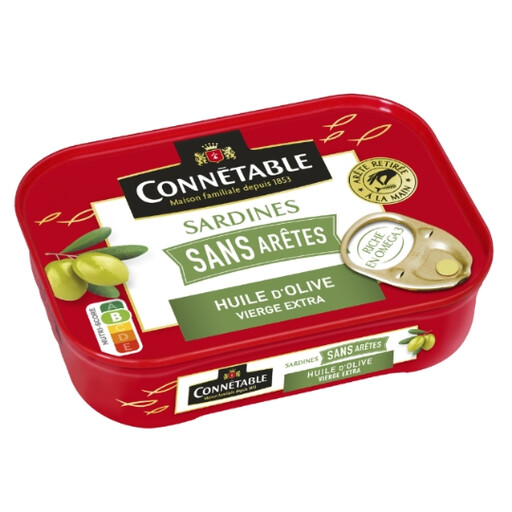 Image unavailable
CONNÉTABLE Sardines in extra virgin olive oil, 140 g
A recipe with extra virgin olive oil to consider for a meal alongside a source of carbohydrates.
Stated pack size: 140 g. Check the drained weight on the tin if you’re comparing the amount of fish with another format.
After opening, follow the storage instructions on the product.
View on Joybuy
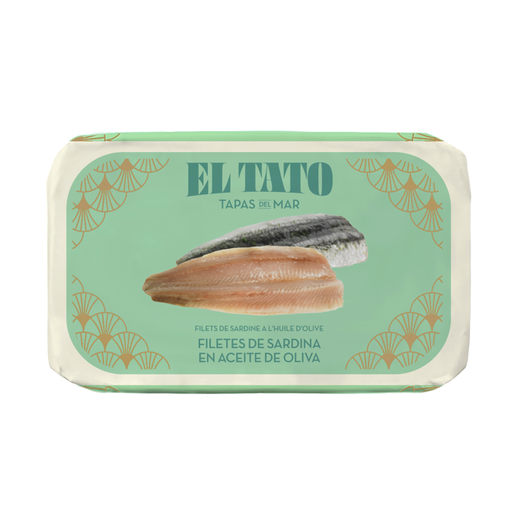 Image unavailable
EL TATO Sardine fillets in olive oil, 115/81 g
The fillet format may suit you if you’d like to top bread or put together a quick meal.
The product name states 115/81 g: check the packaging to see what these two weights refer to before comparing portions.
After opening, refrigerate any leftovers and eat them within 24 hours, as instructed for this product.
View on Joybuy
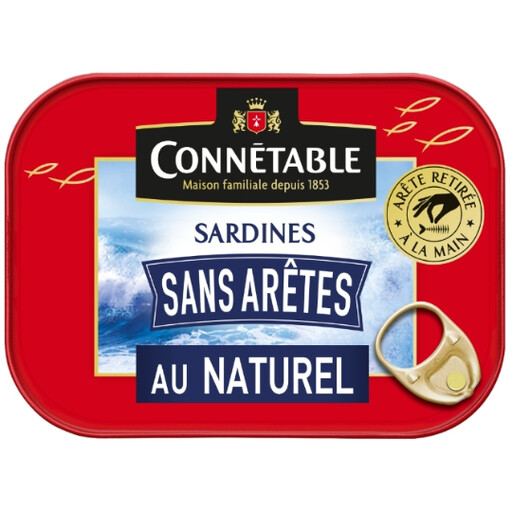 Image unavailable
CONNÉTABLE Boneless sardines in water, 98 g
This sardine recipe in water may appeal if you’d rather not have the central bone in your meal.
Stated pack size: 98 g. To compare the amount of fish with a tin in oil, check the drained weight on the packaging.
After opening, refrigerate and eat within two days, as instructed for this product.
View on Joybuy
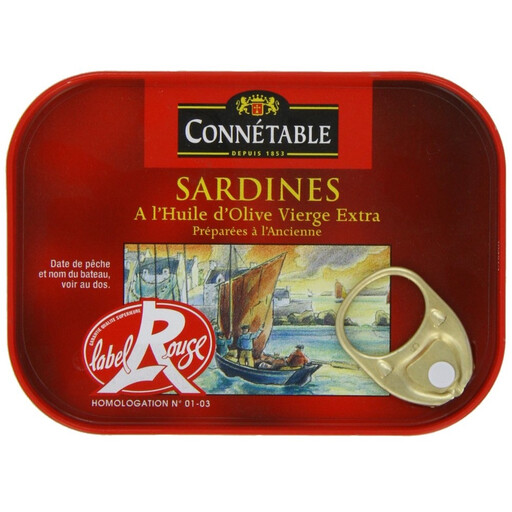 Image unavailable
CONNÉTABLE Sardines in extra virgin olive oil, 135 g
This tin can be part of a meal with bread, potatoes or another accompaniment of your choice for your ride.
Stated pack size: 135 g. Check the drained weight on the packaging when the portion of fish matters to your comparison.
After opening, refrigerate and eat within two days, as instructed for this product.
View on Joybuy
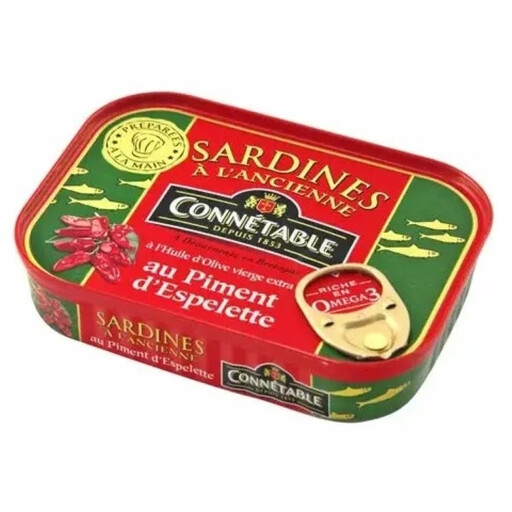 Image unavailable
CONNETABLE Sardines in olive oil with Espelette pepper, 1/6, 115 g
This seasoned recipe is one way to add variety to a meal around a bike ride, if you enjoy Espelette pepper.
Variant shown: 1/6; stated pack size: 115 g. Check the drained weight on the tin to compare the portion of fish.
After opening, refrigerate and eat within two days, as instructed for this product.
View on Joybuy
Frequently asked questions
Can sardines replace fuel during a bike ride?
No, not if you’re mainly looking for carbohydrates during exercise: the Connétable and Saupiquet products reviewed contain 0 g or less than 0.5 g of carbohydrates per 100 g. Save these sardines for a meal and choose separately what to take with you on your ride, depending on the route.
Should you choose whole or boneless sardines?
Choose according to your preference: whole sardines are suitable if you don’t mind the bones, while the Connétable product specifically labelled skinless and boneless saves you from removing them. For the two Connétable products in extra virgin olive oil reviewed, the manufacturer lists the same protein, fat, carbohydrate and salt values per 100 g drained.
Can you eat a tin after its best-before date?
According to the DGCCRF, food with a best-before date can be eaten after that date if its packaging is intact, although some of its flavour qualities may have declined. This should not be confused with a use-by date; once opened, follow the instructions for the tin.
How do you compare the nutritional values of two tins?
Compare values given on the same basis, particularly per 100 g of drained product if you remove the oil or water before eating the sardines. Check the net drained weight to assess the portion of fish, then look at the ingredients, declared allergens and instructions for after opening.


