People preparing everyday meals
If you use lentils as a side dish or meal base, choose an amount you can serve or store according to the packaging instructions.


If someone can chew soft foods but has no difficulty swallowing, choose a size that suits the portions you plan to serve, then check the texture of the lentils once plated. Adding moisture or mashing them may make them easier to eat. If the person has a swallowing disorder or is at risk of choking, don’t assume ordinary canned lentils are suitable without individual advice from a healthcare professional.
If you use lentils as a side dish or meal base, choose an amount you can serve or store according to the packaging instructions.
If you can swallow without difficulty but prefer soft foods, check the texture of the lentils after preparation. Even pre-cooked lentils may need extra moisture or mashing.
A smaller amount can make it easier to adjust a meal when appetite or chewing ability varies. If someone has a swallowing disorder, follow individual advice on food texture rather than relying on a product’s “soft” description alone.
When preparing meals with canned lentils, first check the texture you’ll be serving, then consider the amount you need and the label instructions.
| What to consider | What to check | Who is it for? |
|---|---|---|
| Texture after preparation | Check whether the lentils can be mashed with a fork once served and whether they are moist enough for the person eating them. A “soft” description is not enough if someone has a swallowing disorder. | When chewing whole lentils becomes tiring, I want to be able to adjust the consistency of the meal rather than assume the canned product is suitable as it is. Around 42% of consumers would put this adjustable texture first. |
| Amount you can use | Check the drained weight, pack size and number of portions you plan to serve. | If I’m only preparing a few meals at a time, I want to choose a tin whose contents I can use without having too many leftovers. Around 33% of consumers would put choosing the right amount first. |
| Ingredients and storage | Read the ingredients, allergen information and instructions for storing the product after opening. | When I’m preparing a meal for someone with dietary restrictions, I want to check the ingredients and know how to store any leftovers. Around 25% of consumers would prioritise this information. |
Lentils are still whole grains. The International Dysphagia Diet Standardisation Initiative explains that its “Easy to Chew” category assumes the person can chew sufficiently and does not have a swallowing disorder.
If someone simply finds chewing difficult, check a small portion once served and add moisture or mash the lentils if needed. If they have dysphagia or are at risk of choking, ask a healthcare professional for individual advice on food texture.
A large tin may leave you with leftovers if you’re only preparing a small portion.
Check the drained weight and choose a size that suits the meals you have planned and the storage instructions for after opening.
Ingredients and allergen information can vary between products. Auchan notes, for example, that the ingredients in its product may vary depending on where and when it was bought.
Check the label on the tin you’ve actually bought, especially if you need to avoid an ingredient or allergen.
Storage instructions after opening depend on the product. For the Auchan lentils considered here, the instructions say to transfer them to an airtight container, refrigerate and eat within two days.
Transfer leftovers to a suitable container, note the date you opened the tin and follow the storage period shown on its label.
The range includes plain lentils in 265 g, 530 g and 3 × 130 g sizes.
Bonduelle offers plain lentils and a range the brand describes as cooked in very little juice.
Auchan offers, among other products, a 530 g tin of plain lentils. The product instructions explain how to heat them or prepare them for a cold dish.
The products considered include a 265 g tin and a 3 × 130 g multipack.
The product considered is a 530 g tin of prepared lentils.
This selection includes prepared lentils and a ready meal made with lentils. For an easy-to-chew meal, check the texture of everything you serve, not just the lentils.
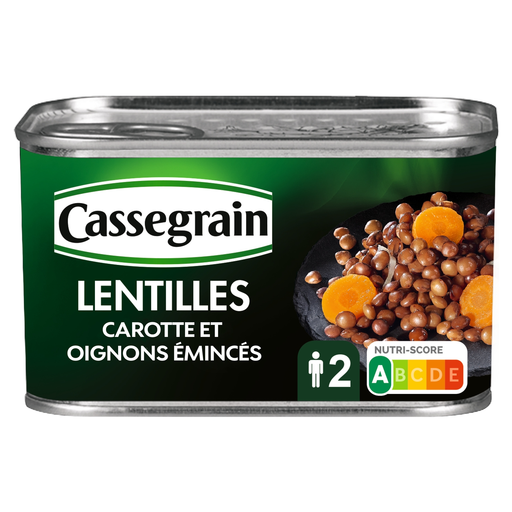 Image unavailable
This 265 g pack is a handy option if you only need a small amount of prepared lentils. Check their consistency before serving. If you have an allergy, check the packaging for information about gluten and soya.
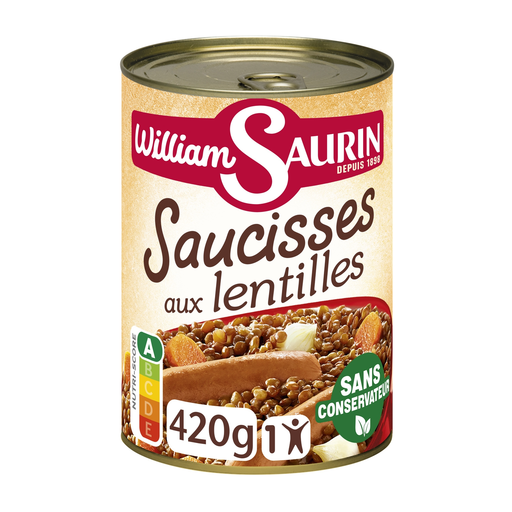 Image unavailable
This 420 g ready meal is an option to heat up, rather than a tin of plain lentils. The sausages are described as firmer than the lentils, so check the texture of the whole dish before serving it to someone who finds chewing difficult. If you have an allergy, check the packaging again.
They may be suitable if the person can chew soft foods sufficiently and swallow without difficulty. Check the lentils after preparation and adjust the consistency of the meal if needed. If they have dysphagia or are at risk of choking, follow individual advice from a healthcare professional.
Follow the instructions for the product you’ve bought and consider how you plan to use it. The product information for the Auchan lentils considered here says to drain them before serving hot, and to drain and rinse them for cold dishes.
Check the ingredients, allergen information, net quantity or drained weight if shown, and the preparation and storage instructions. Always compare the information on the products you’re actually considering buying.
Follow the storage conditions and time limit shown on your tin. The product information for the Auchan lentils considered here recommends transferring leftovers to an airtight container, refrigerating them and eating them within two days. Don’t automatically apply this guidance to other products.