
Livraison le jour même ou le lendemain

Qualité garantie

Débloquez vos offres de bienvenue: Livraison GRATUITE | Jusqu'à -80 % | 30 jours d'essai gratuits à JoyPlus
Téléchargez l'application
Canned and frozen exotic fruits make it easy to prepare desserts, drinks and Asian recipes, even when fresh produce is hard to come by. However, be wary of commercial labels, which can hide significant differences: the actual fruit content, drained weight, sugar content, presence of stones, or storage conditions.
Before you fill your basket with lychees or mangoes in syrup, or frozen tropical fruits, here are three pitfalls to avoid.
A 565g tin doesn't necessarily contain 565g of fruit. Part of the weight is water or syrup. Fu Xing Pineapple Pieces, for example, shows a net weight of 565g for 260g drained. To compare two products, rely on the drained weight rather than just the weight highlighted on the front of the tin.
Lychees, longans, rambutans and mangoes in syrup are ready to eat, but their preserving liquid usually contains water and sugar. Check the ingredients list and sugar content to decide whether it's best served as a dessert as is, or used as an ingredient in a recipe. Fruits in natural juice or frozen 100% fruit are better suited to smoothies and low-sugar preparations.
A large 2.84kg tin of lychees in syrup might be suitable for a caterer, restaurant, or family making several desserts. For occasional use, a 425g to 567g format reduces the risk of leaving the tin open for too long. Once opened, transfer the contents to a clean container and store in the fridge, following the time limit stated on the label.
Unopened tins and jars are generally kept at room temperature, in a dry, well-ventilated place away from light. A bulging, leaking or heavily corroded tin should not be consumed.
Frozen fruits require more care: for frozen passion fruit, durian or jackfruit, storage at –18°C or below is usually recommended. Never refreeze a thawed product. Also remember to check how much space you have in your freezer before choosing a 1.4kg bag of durian.
For ready-to-eat fruits, the label "100% fruit" doesn't necessarily mean "stone-free". Hao Xiang Ni Grade A Chinese red dates are described as ready to eat without rinsing, while the 900g format contains whole dates with stones. Pitted jujubes are more convenient for making teas, porridges or desserts.
Even when no allergens are declared, make a habit of re-reading the packaging with every purchase. Depending on the manufacturing site, traces of other fruits, soya or milk may be indicated. This check is particularly useful for products containing syrup or multiple ingredients.
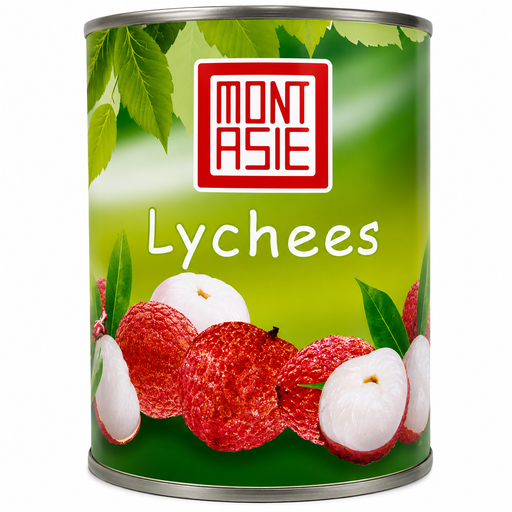
Why this choice suits this profile: At 567g, this format is a great entry point for discovering Asian fruits, preparing a family dessert or making a cold drink.
The format weight and the stated 45% lychee content make it easier to compare with other tinned fruits.
Whole lychees in syrup, ready to serve, with a stated energy value of 81kJ per 100g on the product page.
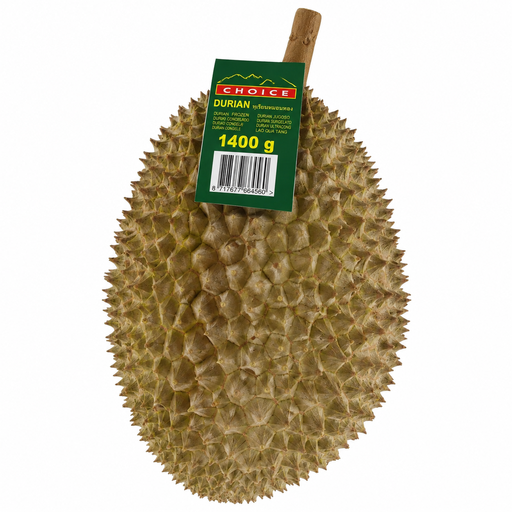
Why this choice suits this profile: Frozen Monthong durian pulp is aimed at enthusiasts looking for a very particular tropical fruit, to enjoy as is or use in baking.
The product page states 100% durian content and storage at –18°C or below – no need to compare syrup content.
A 1.4kg bag of Monthong variety pulp, with origin stated as Thailand.
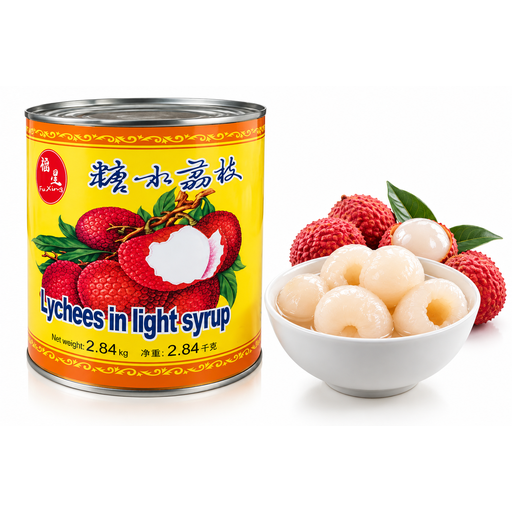
Why this choice suits this profile: Its large size is designed for volume serving, buffets, catering or repeated preparations.
This professional format avoids multiple purchases, provided you have enough fridge space and consume the product quickly after opening.
Whole lychees, a net weight of 2.84kg and a format ideal for baking, fruit salads or cocktails.

Why this choice suits this profile: This format of dried jujubes works well for snacking, as well as for infusions, soups and homemade desserts.
The ingredients state 100% jujube and the product is presented as ready to eat, without rinsing.
A 500g bag, no declared allergens and storage recommended in a cool, dry, well-ventilated place.
We've put together a comprehensive, real-time updated list of products that meet these strict selection criteria as well as European safety requirements.
Transfer the fruit and its syrup to a non-metallic container, then place it in the fridge. Depending on the product, the recommended time can be two to three days. Always refer to the label, especially with large tins.
It depends on the recipe. Frozen passion fruit can usually be added straight to a smoothie or thawed to make a coulis. For frozen durian and jackfruit, thawing in the fridge gives you better control over the texture. Never refreeze a product that has already been thawed.
Some products are explicitly sold as ready to eat. However, always check for the possible presence of stones: pitted jujubes make preparation simpler, while whole dates require a bit more care. For snacking, individual sachets can also help limit the product's exposure to moisture after opening.