
Livraison le jour même ou le lendemain

Qualité garantie

Débloquez vos offres de bienvenue: Livraison GRATUITE | Jusqu'à -80 % | 30 jours d'essai gratuits à JoyPlus
Téléchargez l'application
Canned fish is a winner when you need to throw together a quick meal, stock the cupboard or add a protein boost to a salad, pasta or rice dish. But a nicely presented tin isn't always the one that best suits your needs.
The most useful information is often found on the back of the packaging: drained weight, salt content, type of oil, fish species or storage instructions. Here are the criteria to check before buying canned tuna, tinned sardines, canned mackerel or a sauce-based preparation.
A 140 g tin doesn't necessarily contain 140 g of fish. The rest may be water, oil or sauce. To compare sizes and the price per kilo of fish, rely on the drained weight.
This detail matters particularly for tuna, which is often sold in small sizes. PETIT NAVIRE Tuna in Water 140 g, for example, has a drained weight of 98 g. So the actual amount you get is significantly less than the total weight stated on the front.
A fish in olive oil, vegetable oil or tomato sauce has a different profile to tuna in brine. Oil generally increases the energy content, while the sauce may contain sugar, salt or thickeners.
That doesn't mean you should avoid them. Sardines in oil are wonderful on toast, anchovies can lift a sauce, and fish in tomato sauce goes with a bowl of rice in minutes. Simply choose according to the recipe and take the time to read the ingredients list.
An opened tin should not be kept in the fridge in its metal packaging. Transfer the contents to a sealed container and follow the time stated on the label. For the products featured here, it's generally recommended to consume them within 24 to 48 hours, or up to three days for some sardines.
Before buying, leave on the shelf any tin that is bulging, leaking, heavily rusted or has a deformed lid. After opening, also check the smell and appearance of the product, and don't forget to look out for any bones.
Tuna has a firm flesh, ideal for salads, sandwiches and fillings. Sardines and mackerel are softer, with a more pronounced flavour. They naturally find their place in Mediterranean cooking, while spicy or teriyaki sauce recipes pair easily with rice or noodles.
Anchovies are in a category of their own. The product BDMP Anchovy fish is a salted and dried fish to be kept in the freezer, not a ready-to-eat ambient-temperature preserve. It's used more as a condiment or ingredient in a recipe.
To compare two products, look first at:
The differences can be significant. PETIT NAVIRE Tuna in Water has 25 g of protein and 1 g of salt per 100 g drained, while PETIT NAVIRE White Tuna in Brine shows 20 g of protein and 1 g of salt per 100 g. For a reliable comparison, use the same basis of calculation, ideally the drained weight.
Sardines and mackerel are naturally oily fish. Some products therefore have a higher fat content, but their value should be judged in the context of your overall diet and the portion you eat. A nutritional value should not be turned into a medical claim.
The MSC logo indicates a sustainable fishing certification when it genuinely appears on the packaging. Petit Navire Natural White Tuna MSC and PETIT NAVIRE Tuna in Water both state this certification in their presentation. For other products, don't assume a certification exists just because of a "responsible fishing" mention or a marketing image: check the label and the product page.
The fishing zone, the country of processing and the contact details of the responsible party established in the European Union are also valuable pieces of information. They help you better understand the product's origin, without attributing a quality that isn't backed up.
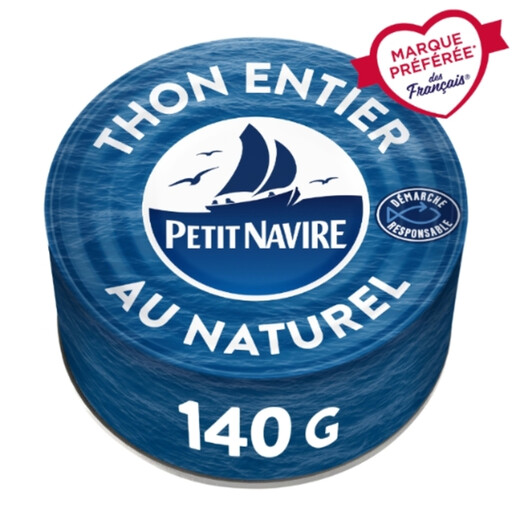
Why this choice suits this profile: Its size is ideal for a salad, a sandwich or a single meal, without having to open a large tin.
The product page states a drained weight of 98 g, making it easy to compare with other tins.
25 g of protein and 1 g of salt per 100 g drained, with water and salt as the main ingredients.
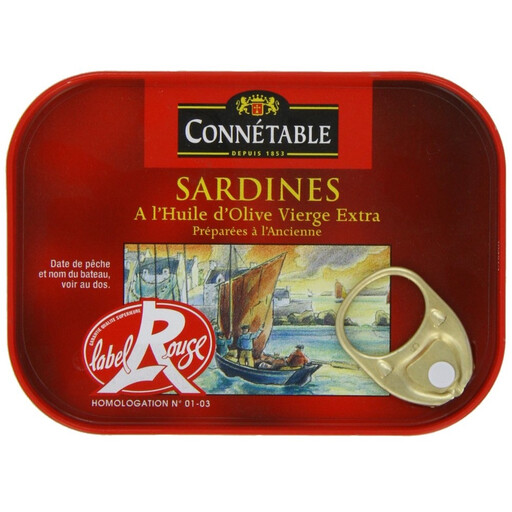
Why this choice suits this profile: These sardines in olive oil are delicious on bread, with potatoes or in a salad.
The ingredients list is short: sardines, extra virgin olive oil and salt. The product page also mentions fishing traceability.
24 g of protein per 100 g and described as ready to eat.
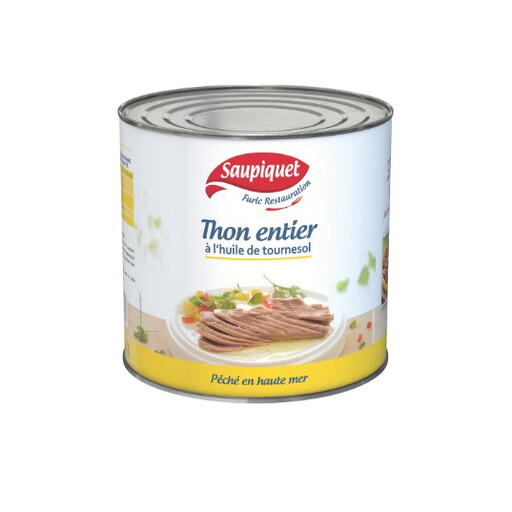
Why this choice suits this profile: This large size is suitable for family meals, home cooking or dividing into several portions.
The large size reduces the number of individual packages, but you'll need a sealed container and must use the product quickly after opening.
The product page states 28 g of protein per 100 g and recommends refrigeration between 0 and 4 °C after opening.
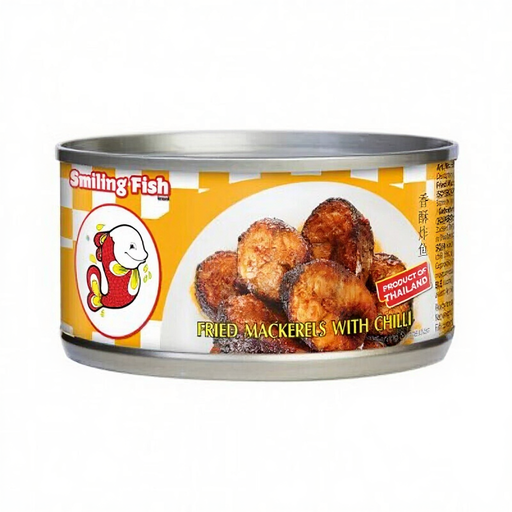
Why this choice suits this profile: Its spicy sauce and single-serving size work well with rice, as a side or for a meal on the go.
The 90 g weight is clearly stated: it's a single portion, not a family size.
The product page states 25 g of protein per 100 g, with fish, chilli, soya sauce and soya in the recipe.
We've put together an up-to-date selection of products that meet these selection criteria and the safety requirements applicable in the European Union.
Yes. Products described as "ready to eat" can generally be eaten cold or added directly to a recipe. However, do check for allergens, particularly fish, soya or wheat present in some sauces. For young children, also check for any bones.
Transfer the contents to an airtight container and place it in the fridge. The time depends on the instructions on the label: some products recommend 24 hours, others 48 hours or up to three days. If in doubt, go with the shortest time and never keep the product in its opened tin.
Not always, because recipes can vary from brand to brand. However, water generally adds less fat than an oil-based preparation. Compare the values per 100 g drained, the drained weight and the salt content. That way you can choose the product best suited to your recipe, your budget and your eating habits.