
Same-day & Next-day Delivery

Quality Guaranteed

Unlock Your Welcome Offers: FREE Delivery | Up to 80% OFF | Free 30-day JoyPlus trial
Download the APP
Buying a canned energy drink online seems straightforward: pick a brand, a flavour, a size, and you're done. Yet from one product to the next, the ingredients can vary significantly — as can the taste experience, the cost, and the amount of caffeine you consume.
A colourful can, the word "fruity" or the addition of vitamins isn't enough to compare two products. Before you order your cans of energy drink, make sure you check the ingredients, the volume of each can and the total number of servings.
A sugar-free energy drink can still contain a lot of caffeine. Removing the sugar doesn't automatically make the drink suitable for every consumption habit. Look at the amount stated per can, not just the value per 100 ml.
For example, some NOCCO 330 ml cans contain 180 mg of caffeine per can, compared with around 80 mg for a 250 ml can of Red Bull, according to the information available. These two sizes aren't directly comparable without considering the actual serving you consume.
Claims like "with vitamins", "with BCAA", "green tea" or "plant extracts" tell you about the formulation, but they don't guarantee a specific effect for every consumer. Vitamins, taurine, L-carnitine and BCAA are no substitute for a balanced diet or adequate sleep.
A BCAA energy drink might suit those who want to include them in their drink, but only if you check the actual amount present and the list of sweeteners.
A pack of 24 cans is a sizeable stock: 24 × 250 ml equals 6 litres, while 24 × 330 ml equals 7.92 litres. A pack of 24 cans can lower the price per can, but it also requires a bigger budget and more storage space. Remember to check the best-before date on the packaging too.
The caffeine content is shown at two levels:
In the European Union, drinks containing more than 150 mg of caffeine per litre must carry a warning stating their high caffeine content and advising against consumption by children and pregnant or breastfeeding women. People sensitive to caffeine should also add up all their daily sources: coffee, tea, cola drinks and supplements included.
To choose a zero-sugar energy drink, check the "of which sugars" line on the nutrition table. The NOCCO products featured here show 0 g of sugar per can and contain sucralose among other ingredients. Conversely, some fruity-flavoured drinks do contain sugar, even when the taste seems light or tangy.
CIAO Energy drinks are described as low in sugar: a 250 ml can contains around 10 g of sugars and 43 kcal, according to the information available. So this is a different option from a truly sugar-free drink.
A 250 ml can is easy to carry and helps you control your serving size. The 500 ml formats are more suited to those who prefer a large, cold drink, but they can also deliver more caffeine, sugar or sweeteners per unit.
For a fruity energy drink, compare the flavours and the nutritional profile: mango, berries, apple, peach, citrus, watermelon or tropical fruits don't all offer the same level of sweetness. With or without fizz, the choice can also matter, especially when you're on the go or during a long gaming session.
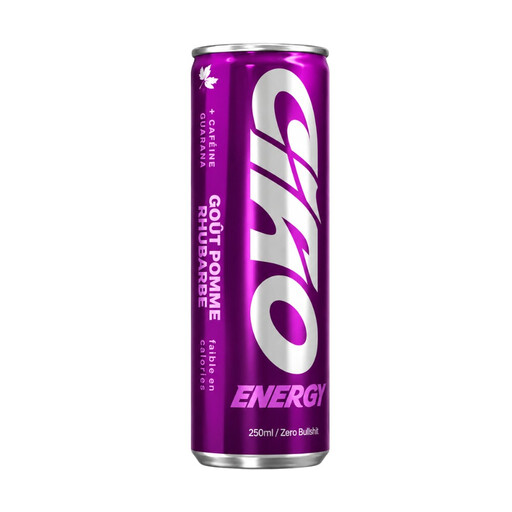
Why this suits this profile: The 250 ml size and the pack of 24 make it easy to work out the price per can, while keeping a stock at home.
The product page shows 43 kcal and 10 g of sugars per can, so there's no risk of mistaking a reduced-sugar formula for a zero-sugar drink.
An apple and rhubarb flavour, caffeine from coffee and guarana, plus vitamins B3, B6 and biotin.
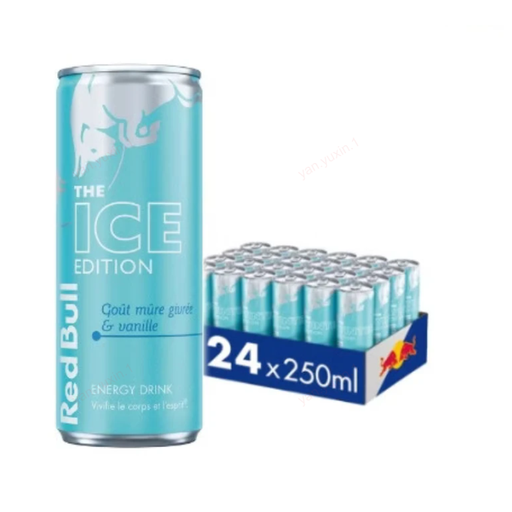
Why this suits this profile: This product focuses on a carefully crafted blend of berries and vanilla, in a compact size that's easy to store in the fridge or at your desk.
The 250 ml size and the stated caffeine content of around 80 mg per can help you control your portion more easily.
A pack of 24, recyclable aluminium cans according to the product page, and a formula enriched with taurine and B vitamins.
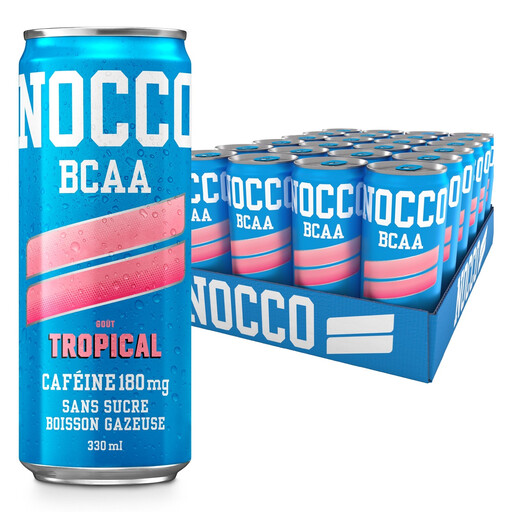
Why this suits this profile: This large pack is ideal for people who want to keep several cans for work, study or sports sessions.
The product page states 0 g of sugar and 180 mg of caffeine per can, giving you clear data to weigh up the trade-off between no sugar and a high caffeine content.
3,000 mg of BCAA per can, a 330 ml size, six vitamins and a tropical flavour.
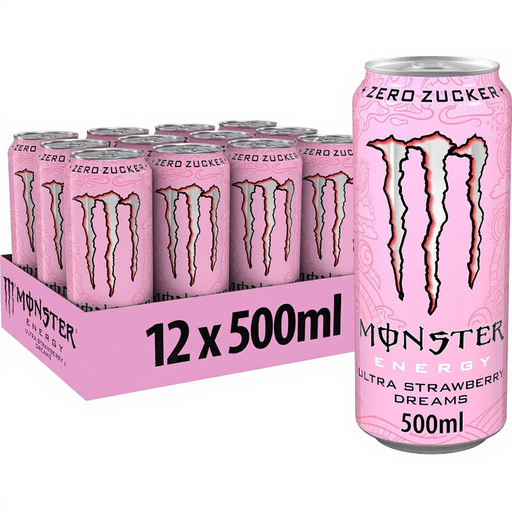
Why this suits this profile: The 500 ml size and strawberry flavour are aimed at those who prefer a large, cold drink without sugar.
The product page states 0 g of sugar and around 10 kJ per 100 ml, while also flagging a high caffeine content of 30 mg per 100 ml.
A 500 ml can, a sugar-free formula and a strawberry flavour profile.
We've put together a comprehensive, real-time selection of products that meet these exacting criteria and European safety regulations.
It all depends on the size and the recipe. The products mentioned here range from around 80 mg for 250 ml of Red Bull to 180 mg for 330 ml of several NOCCO drinks. Always read the label and add up all the different sources of caffeine you consume during the day.
Not necessarily, even though sugar-free formulas often have a low energy value. Sweeteners replace the sugar, but only the full ingredients list gives you an accurate picture. Conversely, a "reduced-sugar" drink can still contain several grams of sugar per can.
Store unopened cans in a dry place, away from heat and direct light, following the manufacturer's recommendations. Once opened, put them in the fridge if the label advises it and drink them quickly. For a pack of 24, check the best-before date before you buy and rotate your stock using the "first in, first out" principle.