Guests served one cup at a time
You’re planning a small, warming starter before the pancakes and would rather prepare one portion at a time than use a pack intended for several people.


For soup before pancakes, choose individual portions if each guest is to prepare their own cup. A sharing pack is a good choice when several people want the same recipe. In either case, check the number of portions and the ingredients for the specific product you choose.
You’re planning a small, warming starter before the pancakes and would rather prepare one portion at a time than use a pack intended for several people.
You’re serving the same soup to everyone before the pancakes. In this case, the number of bowls you can make matters more than whether the soup comes in separate sachets.
You need to check the ingredients, allergens and nutritional information for the exact recipe before serving it.
For a starter before the pancakes, first decide whether you’ll make the soup cup by cup or for the whole table. Then check the ingredients and the format available from your retailer.
| What to check | Things to look for | Who it matters to |
|---|---|---|
| Separate portions | Count the sachets in the box and check how much soup each one makes: a box containing several individual portions is not a single portion. | If I’m serving one cup at a time, I want to be able to make the others later. Around 31% of consumers would prioritise separate portions. |
| Soup to share | Compare the stated number of people or bowls with the number of guests who’ll be having soup. | If everyone at the table wants the same recipe, I’d rather make one shared starter. Around 25% of consumers would prioritise a sharing-size quantity. |
| Ingredients | Read the ingredients, any highlighted allergens and the nutritional information for the exact recipe. Compare values on a like-for-like basis. | When guests have different dietary requirements, I need to check what’s in the soup before serving it. Around 25% of consumers would put this check first. |
| Local availability | Check which format is available from the retailer and at the shop where you plan to buy it. | If I’m planning the meal around products from my usual shop, I want to know which format I can choose there. This would be the main consideration for around 19% of consumers. |
A box containing four sachets makes four separate servings, not one cup. Auchan, for example, lists Royco soups in four sachets, each making 20 cl, while Carrefour lists boxes containing four 20 g sachets.
Before choosing, check the number of sachets, their weight and how much soup they make.
A soup described as a vegetable recipe may also contain ingredients or traces that you need to take into account, depending on its composition.
For each guest who needs to avoid certain ingredients, check the ingredients, highlighted allergens and any ‘may contain’ statements on the packaging of the product you buy.
Royco offers instant soups worth considering if you want to prepare cups separately before serving pancakes.
A dried Maggi soup could work well for serving everyone from one pot, provided the number of portions suits your table.
Carrefour products let you consider a pack of several individual sachets rather than a single sachet to share.
These soups are suitable for serving as separate portions before pancakes. The format shown for each product helps you choose according to the number of cups you need to make. Remember to check the ingredients and preparation instructions for the variant you buy.
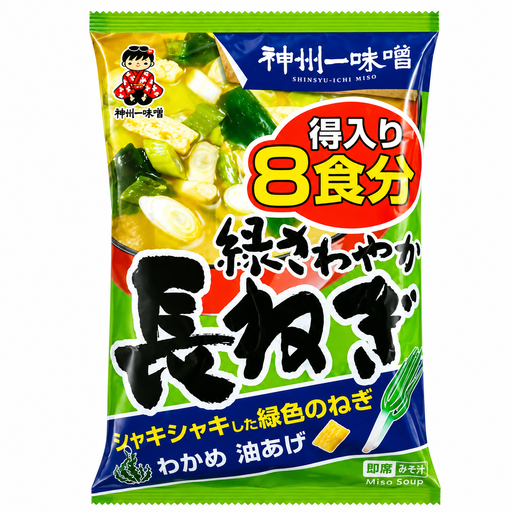 Image unavailable
A format to consider if you’re serving separate portions. Check the packaging for the amount needed per bowl and the ingredients in this onion recipe.
 Image unavailable
The 3 × 20 cl format gives you three portions for individual servings. Check the packaging for the ingredients and preparation time for this recipe.
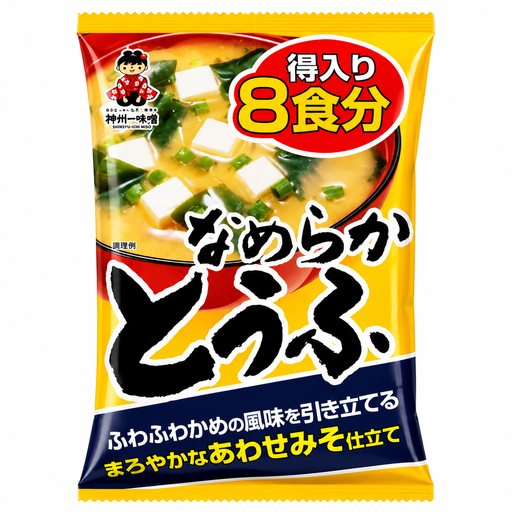 Image unavailable
This eight-portion format is a good choice if you want to prepare the bowls separately. Check the packaging for the amount of water needed per portion, as well as the ingredients and allergens.
Not necessarily: it may contain several sachets to prepare separately. Check the number of sachets and how much soup each one makes. For example, Auchan lists Royco products in four sachets, each making 20 cl.
A sharing pack is a good choice if everyone wants the same recipe and the stated number of portions suits your table. Carrefour lists Maggi Black Mushroom Noodle Soup with Spices for three people. Individual portions give you more flexibility when tastes differ.
Read the label for the recipe you’re going to serve, including any ‘may contain’ statements. In France, the Ministry of the Economy states that allergens in pre-packed foods must be listed and highlighted. The name of the soup alone isn’t enough to judge what it contains.
Compare the same value on the same basis, per 100 g or per 100 ml, and distinguish between the powder and the prepared soup if both values are shown. The DGCCRF states that the nutrition declaration for relevant food products is given per 100 g or 100 ml. Check the unit before comparing salt, sugars or fat.