What should you look for before buying?
First decide whether you’ll eat the chocolate as it is, break it over a crêpe or use it in cooking. Then check the ingredients of the product you choose.
| Criteria |
What to check |
Who is it for? |
| Ready-to-eat portion |
Net weight and any additions, such as hazelnuts. |
If I want to eat chocolate with my crêpe without preparing a topping, a small bar meets my main need; around 20% of consumers would prioritise this ready-to-eat format. |
| Chocolate for crêpes |
Net weight and whether it is labelled for baking if you plan to melt it. |
For topping several crêpes, I’d prefer to be able to break off pieces from a bar or choose chocolate intended for baking. This would be the priority for around 50% of consumers. |
| Nutritional information |
Sugars and other nutritional values per 100 g, using the same basis for comparison. |
When portions aren’t the same weight, I want to compare the nutritional information before choosing; around 20% of consumers would make this their main criterion. |
| Allergens and ingredients |
The ingredients list and any ‘may contain’ warnings on the exact product packaging. |
If I’m serving someone with an allergy, the specific recipe takes priority over the format or type of chocolate. Checking for allergens would be the priority for around 10% of consumers. |
Selected bars and chocolate blocks on Joybuy
This selection includes two small bars to enjoy as they are, two dark chocolate bars to break into portions and a white chocolate product for baking. Choose according to how you want to enjoy or prepare your crêpes.
 Image unavailable
Lindt Excellence, 70% dark chocolate mini bar, 35 g
Choose this if you’d like a small, ready-to-eat bar rather than a chocolate block to break into pieces. If you’re making a melted topping, check that this product is suitable for your recipe and check the allergens on the packaging.
View on Joybuy
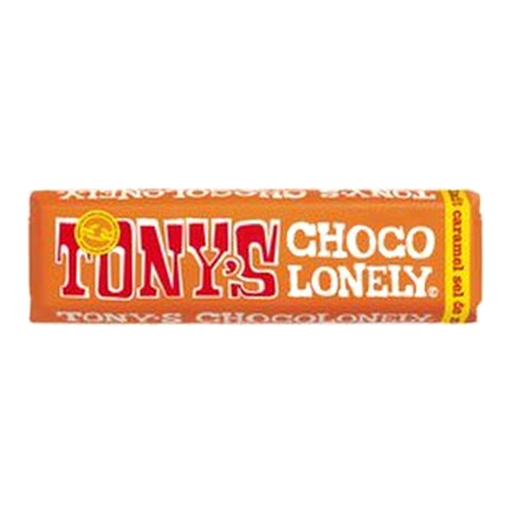 Image unavailable
TONY'S, milk chocolate bar with caramel and sea salt, 47 g
This single-serve format is a good choice if you want to eat the bar as it is with a crêpe. It contains additions, so if you plan to melt it, check that it will give you the texture you want and read the allergen information on the packaging.
View on Joybuy
 Image unavailable
Lindt Excellence, 85% dark chocolate bar, 100 g
Worth considering if you’d prefer to break off a few squares of dark chocolate to enjoy with a crêpe. This is a bar you can portion yourself, not a small single-serve bar; check the ingredients and allergens on the exact product packaging.
View on Joybuy
 Image unavailable
Poulain, fine 70% dark chocolate bar, 100 g
You can break off as much as you want to put on a crêpe, but this isn’t a small, pre-portioned serving. The product listing warns of a possible laxative effect if consumed in excess; read the ingredients and any precautions on the packaging.
View on Joybuy
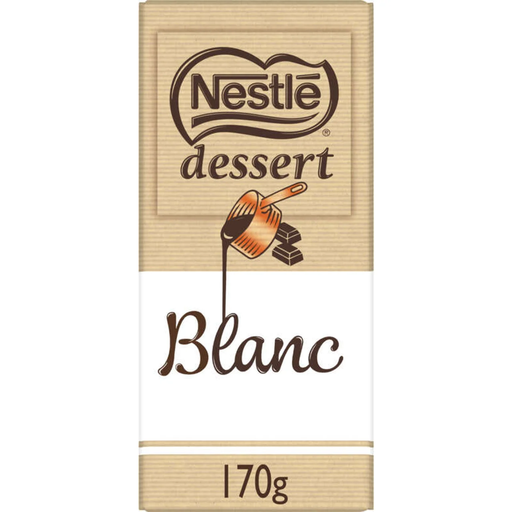 Image unavailable
NESTLÉ DESSERT, white baking chocolate, 170 g
Worth considering if you’re making something with white chocolate rather than looking for a small bar to enjoy as a treat. Before using it for your crêpes, check how much you’ll need, the recipe and the allergen information on the packaging.
View on Joybuy
Frequently asked questions
Can a single-serve bar replace a chocolate block for crêpes?
Yes, if you simply want to eat the bar with a crêpe. If you’re breaking chocolate over several crêpes, a larger bar is easier to portion. If you mainly plan to melt it, look for a product specifically intended for baking and check the ingredients.
Is Nutri-Score compulsory on chocolate bars?
No. Santé publique France says that producers in France display Nutri-Score voluntarily. Whether or not it appears on the bar, check the nutritional information per 100 g and the ingredients list.
How can I identify allergens in a pre-packed chocolate bar?
Read the ingredients list and any ‘may contain’ warnings on the packaging of the exact product. France’s DGCCRF says allergenic ingredients must be highlighted on pre-packed food labels; the colour of the chocolate doesn’t tell you whether they’re present.
Does the ‘soda tax’ apply to chocolate bars?
France’s Ministry of the Economy describes this levy as applying to sugary drinks; it isn’t a criterion for choosing a chocolate bar. To compare products, look at their sugar content per 100 g, among other things.
How should I store a chocolate bar once it’s open?
Follow the instructions on the packaging. For its 200 g milk chocolate bar, the Joybuy Milka product listing recommends resealing it securely and keeping it in a cool, dry place away from heat.


