
Livraison le jour même ou le lendemain

Qualité garantie

Débloquez vos offres de bienvenue: Livraison GRATUITE | Jusqu'à -80 % | 30 jours d'essai gratuits à JoyPlus
Téléchargez l'application
Candied Chinese plums are irresistible thanks to their soft texture and succession of flavours: sweet, tangy, salty, liquorice-like or slightly spicy. However, buying online can sometimes bring a few surprises. An appetising photo is not always enough to judge the texture, the actual sugar content or the presence of additives.
Before choosing plums to snack on, take the time to check three things: the ingredients list, the net weight and the stated flavour profile. This will help you distinguish between salted plums, dried Chinese plums and Asian candied fruits, depending on your habits and preferences.
The commercial names may sound similar, but the experience when eating them is completely different. A dried Chinese plum is generally denser and more concentrated in flavour. A pickled or salted plum may be tangier, sometimes moist, and can also be used to prepare drinks or sauces.
Sweet-and-sour plums are often seasoned with sugar, salt, citric acid, liquorice or sweeteners. It is therefore better to read the ingredients rather than relying solely on the word ‘candied’.
Some products contain a high proportion of fruit, while others combine plums, sugar, salt, flavourings, colourings and preservatives. For example, Liuliumei Preserved Prunes 160 g contain 90.6% plums, along with plum juice, sugar, a sweetener and a preservative.
This information is not enough to conclude that one product is better than another, but it does allow you to compare recipes on a practical basis. If you are looking for a more straightforward flavour, choose a short, clearly detailed ingredients list.
A 60 to 80 g bag is ideal for trying a flavour or taking a few plums to the office. A 180 to 210 g format is better suited to regular consumption. Larger packs, such as the 500 g Be&Cheery tub, are designed for sharing or enjoying over several portions.
Also check whether the plums are individually wrapped. This detail can make a difference when transporting them, storing them after opening and sharing them.
Honey plums, such as the ‘Lao Po Mei’ speciality, have a floral note thanks to the presence of honey. However, they are still preserved fruits: to find out the exact recipe, refer to the product page and the label.
Depending on the recipe, plums can be tender, firm, fibrous, soft or chewy. Product pages that mention a texture designed for chewing are better suited to people who enjoy letting the flavours develop slowly. By contrast, some plums with a ‘QQ’ or pearl-like texture focus on a softer, more playful sensation.
Most can be eaten straight away. Pickled and salted plums can also be infused in hot or cold water, added to a drink, chopped to enhance a sauce or incorporated into certain Asian dishes. Start with one or two pieces: the salt and acidity can be particularly pronounced.
Nutritional values vary considerably from one recipe to another. As an indication, the product page for Liuliumei candied plums lists 286 kcal and 0.198 g of salt per 100 g, while Sunlee salted plums contain 10.38 g of salt per 100 g, according to the information provided.
Some products contain sulphites, sweeteners or colourings. In France and the European Union, check the allergens and warnings directly on the packaging and product page. People who are sensitive to sulphites should pay particular attention to the relevant statements. For children, some labels also indicate the presence of colourings subject to a regulatory warning relating to activity and attention.
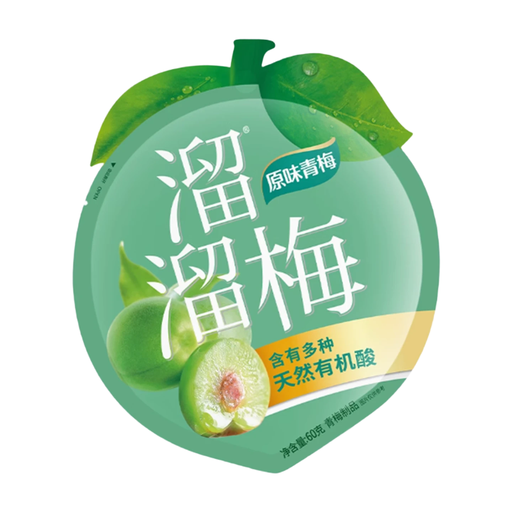
Why this choice suits this profile: At 60 g, this format lets you try sweet-and-sour plums without committing to a large pack. The product is ready to eat and makes the perfect accompaniment to a tea break.
The net weight is clearly stated, and the recipe specifies 54.5 % green plum. This makes it easy to compare the fruit content with that of other candied plums.
60 g bag, texture described as tender and soft, ready to eat straight away.
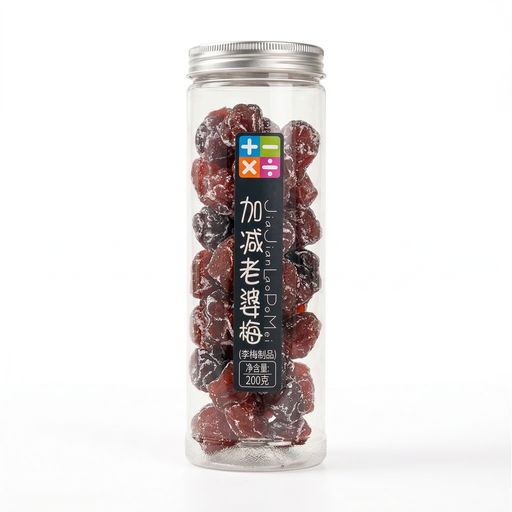
Why this choice suits this profile: This product is aimed at lovers of nuanced flavours who are looking for a combination of honey, sugar and salt, with a firm texture that is satisfying to chew.
The description clearly distinguishes the presence of honey from a merely sweet taste and states that the bag contains 200 g, making it better suited to sharing.
Honey in the recipe, 200 g format and a texture described as firm, yielding and pleasant to chew.
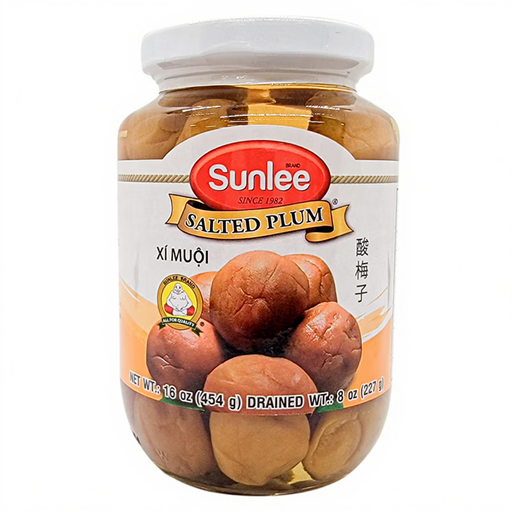
Why this choice suits this profile: People who want to use Thai plums in a drink, sauce or Asian dish will appreciate this format, which is presented as practical.
The ingredients list is short: plum, water, salt, citric acid and acetic acid. The product page also specifies possible uses in drinks and cooking.
Short recipe, Thai origin stated and suitable for use in drinks, sauces or dishes.
We have put together a complete, real-time updated list of products that meet these demanding selection criteria and European safety regulations.
Carefully reseal the bag or jar, then store it in a cool, dry place away from direct light. Avoid humidity, as it can alter the texture and speed up product deterioration. Observe the date shown on the packaging and consume the product soon after opening, in accordance with the instructions on the product page.
A resealable container or individual portions can be useful for limiting handling. Avoid transferring the product into a damp container.
Ume plums generally refer to the Japanese ume plum, which is often salted or pickled. Candied Chinese plums include several preparations: dried green plums, salted plums, honey plums and fruits seasoned with liquorice. Recipes and textures vary according to the origin and preservation method.
Yes, some products are designed for this purpose. One or two plums can be infused in hot or cold water and may then be combined with tea. However, check the product page, as the salt content may be high and the flavour particularly intense.
The storage time depends on the recipe and packaging. As a general rule, keep the product tightly closed in a dry place, then follow the instructions on the packaging. Individual formats make storage easier, while a large bag should be resealed after each use.