
Livraison le jour même ou le lendemain

Qualité garantie

Débloquez vos offres de bienvenue: Livraison GRATUITE | Jusqu'à -80 % | 30 jours d'essai gratuits à JoyPlus
Téléchargez l'application
A weekend at the campsite, a day hike or a holiday departure can quickly become uncomfortable when every accessory is heavy, bulky or poorly suited to the occasion. Camping and travel gear therefore needs to meet several requirements at once: manageable weight, a compact design, reliable durability and convenient portability.
Before buying a folding camping table, a lightweight sleeping bag or a wheeled travel bag, it is worth looking beyond the marketing claims. Some details presented as advantages can become genuine drawbacks after only a few uses.
Ultralight gear is not necessarily stable. A table with an overly thin frame may wobble on grass, gravel or sand. Check the stated maximum load, the type of feet and whether non-slip caps are included.
For a folding table intended for meals, fishing or occasional use, the load capacity should match the way you plan to use it. Also account for the weight of bottles, tableware and a camping stove without exceeding the stated limit.
A product may be compact when stored but awkward to carry if it lacks a case or comes with an impractical one. Compare the folded dimensions, total weight and carrying system: handle, shoulder strap, wheels or storage bag.
This check is particularly useful for hiking accessories and outdoor equipment carried on public transport, in the boot of a small car or along uneven paths.
A windproof umbrella, bag or cover may withstand moderate rain without being designed for immersion or prolonged exposure. Check the materials, care instructions and usage limitations. For textiles, always dry the item before storing it to help prevent musty odours and mould.
When you travel frequently, a few hundred grams can make a real difference. A 2.5 kg folding camping table, for example, will be easier to move than a much heavier model, provided its dimensions suit your group.
For a bag, distinguish between the stated capacity and the space that is genuinely usable. A capacity of 110 l is enough for a tent, chairs, tableware and other camping accessories, but once fully loaded, the bag may be difficult to pull uphill or across soft ground.
The material provides useful information, but it is not enough on its own to guarantee a product’s lifespan. A metal frame gives a table a rigid base, while an Oxford fabric tabletop can reduce the overall weight and make folding easier. Also inspect the stitching, joints, fasteners and points of contact with the ground.
For a compact umbrella, a folded length of 19 cm makes it easy to store in a bag. However, the high-density canopy, fibreglass and aluminium-alloy frame, and cover should all be assessed according to how you intend to use it day to day.
A well-maintained accessory will generally retain its performance for longer. Clean a table with a damp cloth, remove sand from a bag’s wheels and leave an umbrella open to dry before storing it. Also follow all warnings: do not exceed the permitted load, keep textiles away from flames and check the joints before each use.
The CE marking, where it applies to a product category, indicates that the manufacturer declares compliance with the relevant European requirements. It is neither a quality rating nor proof of superior durability.
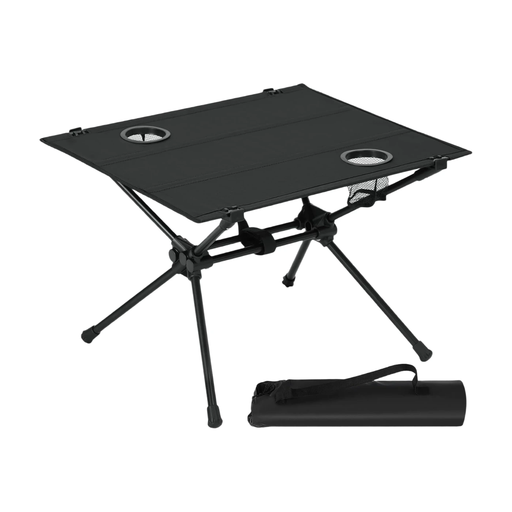
Why it suits this profile: This table is ideal for occasional campers, picnickers and anglers who want to set up their equipment quickly, without tools.
At 2.5 kg, with a storage bag and four non-slip caps, it addresses the main challenges of portability and stability.
Open dimensions of 63 × 43 × 56 cm, two cup holders and a stated maximum load of 30 kg.
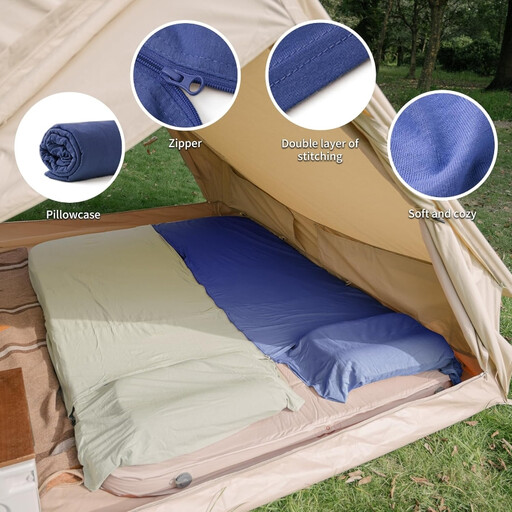
Why it suits this profile: This sleeping bag liner is designed for travellers who want an extra textile layer that slips easily into a sleeping bag or can be used in outdoor accommodation.
Its stated dimensions let you confirm compatibility with your sleeping setup instead of relying solely on the word “lightweight”.
Measures 210 × 75 cm and includes a dedicated pillow section, with a cotton construction specified by the manufacturer.
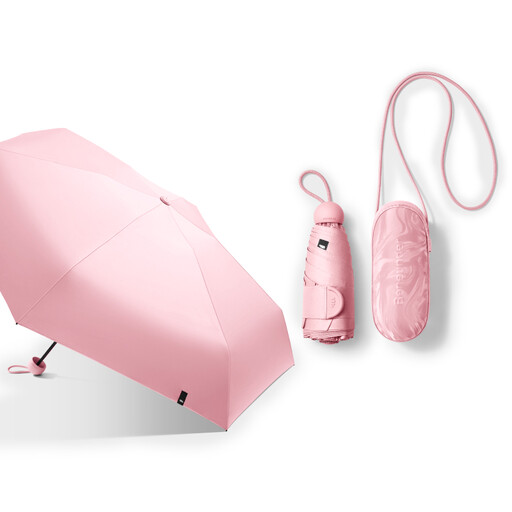
Why it suits this profile: It is well suited to commuting, travelling and anyone who wants to keep an umbrella in a small bag.
At just 19 cm when folded, with a capsule-style cover, it takes up minimal space, while the drying instructions help prevent it from being stored damp.
30D canopy, fibreglass and aluminium-alloy frame, and a stated open diameter of 94.5 cm.
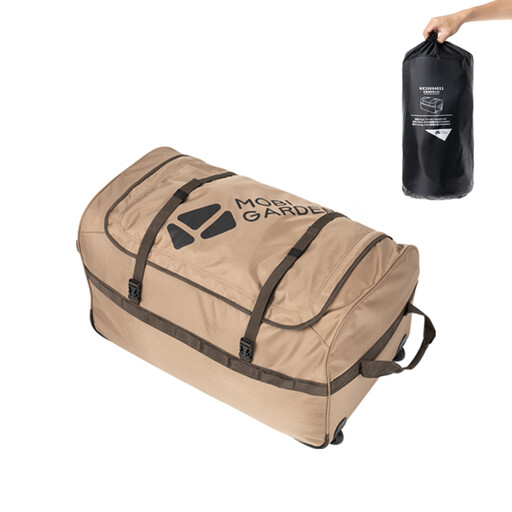
Why it suits this profile: This bag is designed for campers, anglers and travellers who need to move a substantial amount of equipment without carrying everything by hand.
The wheels reduce effort on flat ground, while the instructions specify carrying the bag on stairs and slopes.
110 l capacity, approximately 1.75 kg unloaded, dimensions of 70 × 40 × 40 cm and folded dimensions of 42 × 21 cm.
Explore an up-to-date selection of accessories suited to camping, travel and outdoor activities, with the essential specifications you need to compare designs, materials and carrying solutions.
Prioritise the weight and folded dimensions. A 2.5 kg model that packs down into a 15.5 × 15.5 × 67 cm bag may be a good fit when boot space is limited. Also check the maximum load and how stable the feet are on the terrain where you plan to use it.
Remove dirt and sand after every outing, dry textiles thoroughly and avoid harsh chemicals. Clear grains of sand from the wheels and store the folding table away from moisture. Always respect the load limits and keep materials away from flames.
Yes, provided they meet a specific need: a compact umbrella for unexpected showers, a sleeping bag liner for added insulation or a wheeled bag for moving a large load across a smooth surface. For long hikes, however, prioritise carry weight and compatibility with your main pack.