
Livraison le jour même ou le lendemain

Qualité garantie

Débloquez vos offres de bienvenue: Livraison GRATUITE | Jusqu'à -80 % | 30 jours d'essai gratuits à JoyPlus
Téléchargez l'application
A camping tent may seem easy to choose… until your first night in the rain, a laborious set-up or a bag that is too heavy to carry. Between promises of instant pitching, waterproof ratings and sometimes overly optimistic capacities, certain details are worth checking before you buy.
For a family weekend, a pop-up tent will not have the same requirements as a bivouac tent designed for hiking. Here are the main criteria to consider when comparing models, without being guided solely by the price or marketing claims.
The description “3 to 4 people” refers to a theoretical capacity, but says little about real-world comfort. Instead, look at the floor dimensions, headroom and space provided for bags. For two fully equipped adults, a narrow 2-person tent may be perfectly suitable for bivouacking, but quickly become uncomfortable during a stay of several nights.
A high figure alone is not enough to guarantee good protection from rain. The quality of the seams, the presence of sealing tapes, the design of the flysheet and the height of the groundsheet are all just as important. A waterproof tent must also be properly guyed and pitched on suitable ground to limit water ingress.
An instant tent or automatic tent can be deployed quickly, but it still needs to be secured with pegs and guy ropes whenever the wind picks up. The pop-up mechanism speeds up pitching; it does not replace a stable, properly anchored set-up.
For a hiking tent, an ultralight tent or a trekking tent, the total weight includes the fabric, poles, pegs and carry bag. As a guide, the Mobi Garden YADEEN UL2 weighs approximately 1.18 kg and packs down to 48 × 11 × 11 cm. This type of configuration is suitable for long stages, provided you are happy to accept more limited living space.
For use near your car or at a permanent pitch, a higher weight may be acceptable if the tent provides more space and comfort.
Expressed in millimetres of water column, the waterproof rating measures the fabric’s resistance to water pressure. On its own, it does not guarantee effective protection in all weather conditions. In particular, check:
A double-wall tent is generally more versatile for camping, bivouacking and cool nights. A mesh inner tent improves airflow, but it must be paired with an outer flysheet that provides sufficient protection during showers.
A 3-season tent is generally designed for spring, summer and autumn in ordinary weather conditions. A 4-season tent is more suited to cold or exposed environments, but this term does not mean it will be suitable for every extreme winter weather event.
For summer campsites, a UV-resistant tent or a model with blackout fabric can reduce brightness and limit the feeling of heat. However, keep an eye on ventilation: blackout fabric can retain more heat if there are not enough openings.
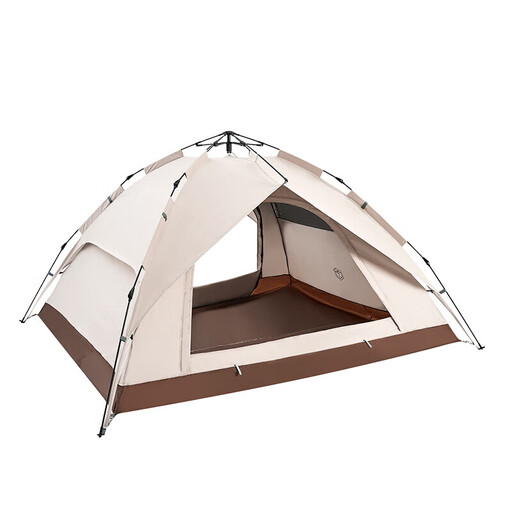
Why this choice suits this profile : Its 3-to-4-person format and automatic mechanism are aimed at occasional campers who want to reduce pitching time during a weekend away or a family outing.
The double-wall construction and coated outer flysheet offer a stated resistance of 3,000 mm. Anchoring remains essential in strong winds.
Automatic pop-up pitching and a stated capacity of 3 to 4 people.
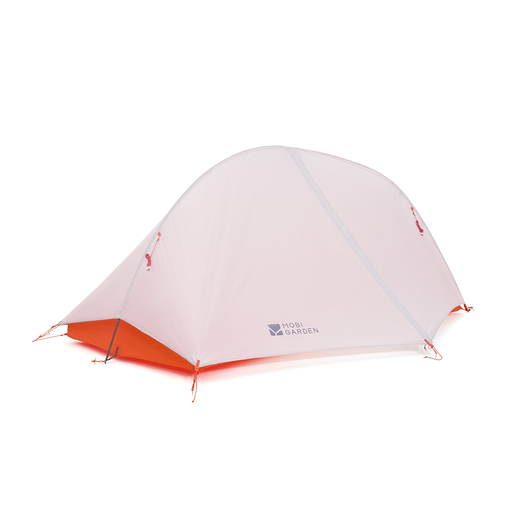
Why this choice suits this profile : This 2-person tent is designed for hikers who count every gram on a mountain route or travelling bivouac.
With a stated weight of approximately 1.18 kg and a compact packed size, it does more than simply use light weight as a marketing claim.
20D ripstop nylon, aluminium poles and front-to-back dual entrances.
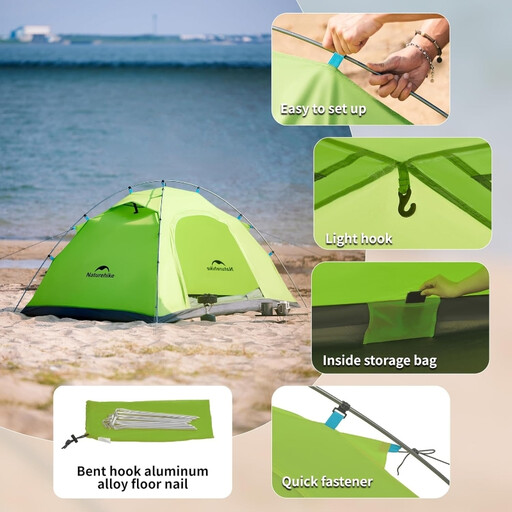
Why this choice suits this profile : Its 2-person format, stated weight of 1.65 kg and UV protection make it suitable for outdoor stays where versatility matters more than minimum weight.
The product details specify a polyester construction with waterproof and UV-resistant coatings. Respect its usage limits and avoid exposing it to extreme conditions.
Dimensions of 200 × 130 × 100 cm, aluminium poles and stated UV protection.
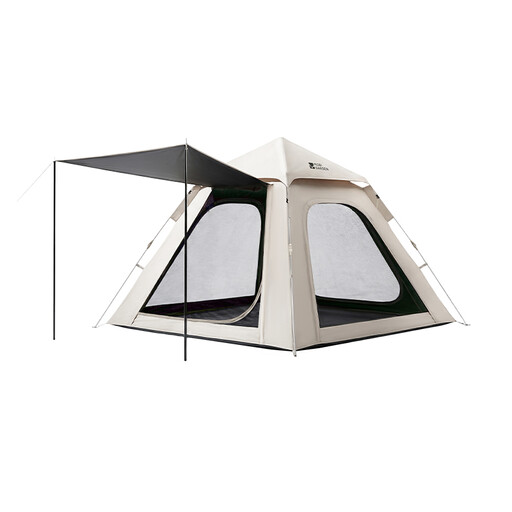
Why this choice suits this profile : Its stated interior area of approximately 5.76 m² and capacity of 2 to 5 people make it suitable for extended picnics and family camping trips accessible by car.
The automatic pitching system comes with anchor points and guy ropes. At approximately 5.76 kg, this model is not designed to be carried on foot over long distances.
Blackout fabric, stated UPF50+ protection and quick opening with a fibreglass frame.
We have selected a complete, real-time updated range of products that meet these demanding selection criteria as well as European safety standards.
Even a well-chosen tent can have a shorter lifespan if it is incorrectly pitched or stored while still damp. Before you set off, practise pitching it at home, especially if it is a trekking tent or an ultralight tent.
When pitching:
After every trip, dry the fabric, poles and pegs completely. Clean everything with clean water and a soft cloth; avoid washing machines, stiff brushes and corrosive products. Never use a flame, camping stove or candle inside the tent.
For hiking, choose a lightweight, compact 2-person tent with a flysheet. Check the total weight, inner length and space available for bags. A bivouac tent weighing between 1 and 2 kg can help lighten your pack, but its living space will generally be more limited than that of a family model.
It can be, provided its outer flysheet has a waterproof coating, the seams are protected and the tent is properly guyed. The rating expressed in millimetres should be assessed alongside the groundsheet specifications and ventilation system. A pop-up tent should not be considered suitable for severe thunderstorms simply because it pitches quickly.
Always dry it before storing it and keep it in a cool, dry place. Also avoid folding it in exactly the same place every time. Protect the groundsheet from gravel and do not leave the fabric exposed to sunlight for long periods. These simple precautions help reduce wear to the fabric, seams and coatings.