
Livraison le jour même ou le lendemain

Qualité garantie

Débloquez vos offres de bienvenue: Livraison GRATUITE | Jusqu'à -80 % | 30 jours d'essai gratuits à JoyPlus
Téléchargez l'application
Feeling the call of the great outdoors for a weekend getaway or a full holiday? Excellent idea! But an adventure can quickly turn into a nightmare if your gear isn't up to the task. Choosing a camping tent seems simple... until you find yourself drowning in technical jargon and marketing promises. To ensure your investment doesn't become a source of regret, here are the common pitfalls to avoid.
To avoid falling into these traps, focus on the objective criteria that truly matter for your specific needs.
A fabric's waterproofness is measured in Schmerber (or millimetres of water column). This rating quantifies how much water pressure the fabric can withstand before water penetrates it.
Weight is obviously a key factor, which will depend on your type of adventure.
The sturdiness of your shelter depends on its frame. Two materials dominate the market:
To help you see more clearly, here's how these criteria translate into practice with a few models suited to different profiles.
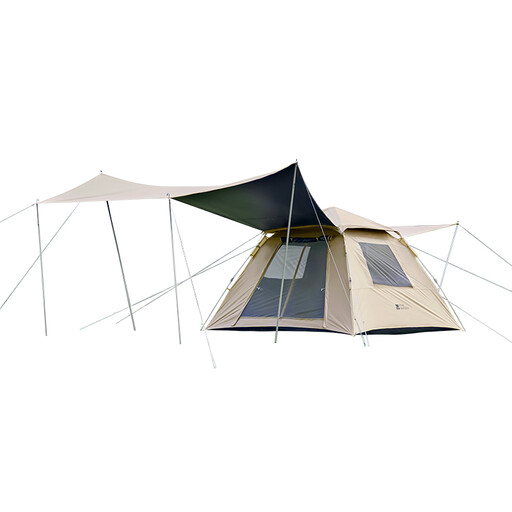
Why it's perfect for them: Perfect for families who travel by car. The focus is on ease of setup, a generous living space (nearly 6 m?), and effective protection from the sun and insects. In short, everything you need for a hassle-free holiday.
Its automatic setup system is more structured and much easier to fold away than a classic "2-second" tent. Its capacity (up to 5 people) is realistic for a family with children and luggage, avoiding the trap of overestimated space.
Near-instant setup, even by one person. Blackout fabric with UV UPF50+ protection and PU2000mm waterproofing. Five-sided ventilation with integrated mosquito nets.
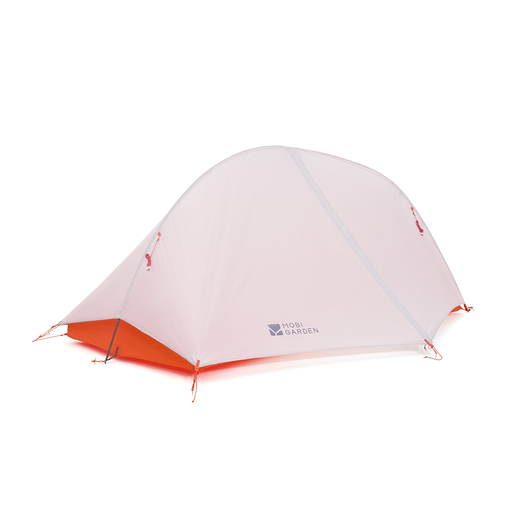
Why it's perfect for them: Designed for trekkers and hikers who count every gram. Its feather-light weight and ultra-compact size allow you to carry it over long distances without getting exhausted. A true technical 2-person tent for adventure.
Unlike many lightweight tents that sacrifice sturdiness for weight, this one relies on aluminium alloy poles and ripstop nylon fabric to ensure durability and wind resistance.
Feather-light weight of around 1.18 kg. PU2000mm waterproofing and a 3-season design. Dual entrances (front and rear) for easy access and optimal ventilation.
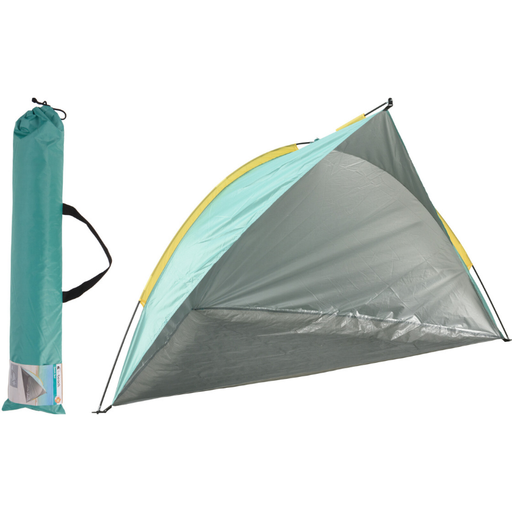
Why it's perfect for them: The essential accessory for families and couples spending the day at the beach, park, or by a lake. This beach shelter offers a welcome refuge from the sun and wind, which is crucial for children or for a nap in the shade.
This model doesn't pretend to be something it's not: it is not a camping tent. Its function is clear: sun protection. It fulfils this mission with a specialised anti-UV (UPF 50+) coating, a far more relevant criterion than waterproofing for this use case.
Excellent UPF 50+ sun protection. Lightweight and easy to transport. Simple and quick setup, with sand-friendly pegs for good stability.
Explore our full selection of tents that meet our quality criteria and current standards.
For most camping trips during the warmer seasons (spring, summer), a rating of PU2000mm for the flysheet and PU3000mm for the groundsheet is more than enough to stay dry during a typical downpour. If you're heading to the mountains, Scotland, or planning autumn camping, a rating of 3000 mm or higher will provide welcome peace of mind.
The golden rule: always dry it completely before storing it. Never pack it away if it's still damp, even slightly. Clean any stains with a soft sponge and plain water (no soap). Never use a washing machine or harsh detergents, as they will destroy the waterproof coating. Store it in a cool, dry place away from direct sunlight.
Its lifespan depends on its build quality, frequency of use, and, most importantly, how well you maintain it. An entry-level model used intensively might last 2 to 3 seasons. A high-quality tent with aluminium poles and durable fabric can last over 10 years if it's well cared for: always dried properly, stored in a dry place, and pitched carefully to avoid tears.