
Livraison le jour même ou le lendemain

Qualité garantie

Débloquez vos offres de bienvenue: Livraison GRATUITE | Jusqu'à -80 % | 30 jours d'essai gratuits à JoyPlus
Téléchargez l'application
Choosing a camping tent can quickly become overwhelming. With a jungle of models, materials, and technical specs, it's hard to know where to start. Should you prioritise a lightweight design for a trek, or more space for a family holiday?? Is a simple summer tent enough for an autumn bivouac??
Don't panic. This guide is here to cut through the noise. We've broken down the essential criteria to help you make an informed decision that's perfectly suited to your needs and your budget.
Before diving into our top picks, let's review the three key factors that will make all the difference for your comfort and safety in the field.
The advertised capacity (number of people) is often... optimistic. To avoid being cramped and to have room to store your gear, the rule of thumb is to aim for N+1 capacity (for example, a 2-person tent for a solo hiker with their equipment).
For mobile activities like trekking, weight is the name of the game. A hiking tent needs to be as light as possible. So-called ultralight models often weigh less than 1.5?kg. Conversely, for a stationary camping trip, the weight of a family tent takes a backseat to living space and comfort.
Tents are rated by "seasons"?:
The waterproof rating, measured in millimetres (mm) or hydrostatic head, is another crucial point. A rainfly with a 2000?mm rating and a groundsheet at 3000?mm provide a solid foundation for handling most downpours.
Here, two main types compete?:
After reviewing dozens of models, here are the tents that caught our eye for their performance and value for money.
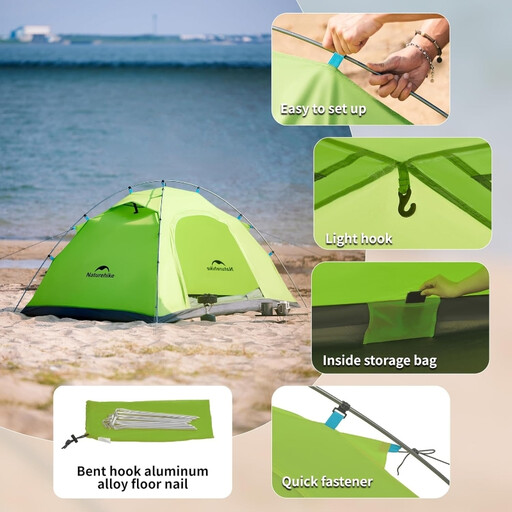
Key Selling Point?: Impressive versatility. Its 4-season design allows it to handle a wide variety of conditions, all while boasting a feather-light weight for a 2-person tent in this category.
What we like?:
Who is it for?? For adventurous duos who want a single, reliable, and versatile shelter for all their outings, without the back-breaking weight.
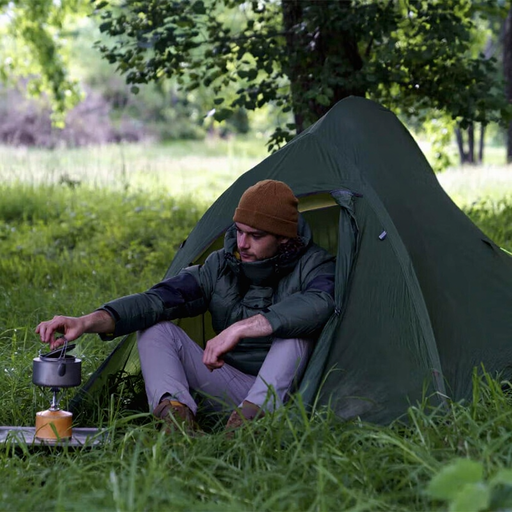
Key Selling Point?: An obsession with lightness. It's the archetypal ultralight hiking tent, where every gram has been shaved off without sacrificing protection.
What we like?:
Who is it for?? For discerning solo trekkers and hikers who prioritise performance and lightness above all for their 3-season outings.
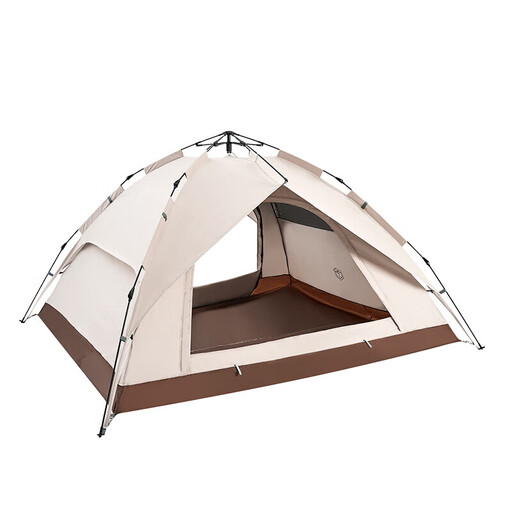
Key Selling Point?: Simplicity above all. Its automatic setup mechanism, like a pop-up tent, makes it operational in record time. A real treat for families or campers in a hurry.
What we like?:
Who is it for?? For families and groups heading out for a weekend or camping trip who want a family tent without the hassle of a complicated setup.
The perfect tent is the one that fits your style of adventure. If these models don't check all your boxes, don't worry?: from tunnel tents for large groups to minimalist bivvy shelters, there's a solution for every adventurer.
Discover our full range of camping shelters
A 3-season tent is optimised for mild conditions (spring, summer, autumn), prioritising light weight and ventilation. A 4-season tent, on the other hand, is built tough?: thicker materials and a reinforced structure to support the weight of snow and withstand high winds. The trade-off is that it's inevitably heavier and less breathable.
Don't blindly trust the listed person-capacity. Think about the space your gear will take up (backpacks, boots, etc.). The rule of thumb?: aim for N+1 capacity. A 3-person tent for 2 people is pure comfort! For a family tent, double-check the floor dimensions to make sure your air mattresses will fit.
This rating, measured in millimetres (mm) or hydrostatic head, assesses a fabric's resistance to water pressure. The higher the number, the more waterproof it is. A rainfly is considered effective from 1500?mm and a groundsheet from 3000?mm. For particularly rainy regions, aim for 3000?mm for the fly and 5000?mm for the floor for total peace of mind.