
Livraison le jour même ou le lendemain

Qualité garantie

Débloquez vos offres de bienvenue: Livraison GRATUITE | Jusqu'à -80 % | 30 jours d'essai gratuits à JoyPlus
Téléchargez l'application
Choosing a camping tent can quickly become a headache. Between promises of "instant" setup, obscure waterproof ratings, and overly optimistic capacity claims, it's easy to end up with unsuitable gear that ruins an outdoor trip. This guide is here to help you navigate the marketing pitfalls and identify the criteria that truly matter to find THE perfect tent for your needs, whether it's for a mountain trek, a family holiday, or a simple day at the beach.
Before we even get into the technical details, let's review the classic mistakes that lead to buyer's remorse.
To make an informed choice, rely on objective data rather than marketing speak. Here are the three fundamental parameters to scrutinise.
The waterproofness of a waterproof tent is measured in Schmerber, a value expressed in millimetres (mm). You'll often find it under the acronym PU (for Polyurethane). In practical terms, this rating represents the height of a water column the fabric can withstand before water penetrates it.
Weight is obviously a decisive factor for hiking. However, it must always be evaluated in relation to the tent's durability and its liveable volume.
Good ventilation is crucial to limit condensation inside. Check for large mesh panels on the inner tent and vents (or "chatières") on the rainfly. For summer use or at the beach, a blackout tent or a UV-blocking beach shelter with certified UPF50+ protection is a real bonus for staying cool and protected from the sun.
To illustrate these criteria in practice, here are a few models that meet very specific needs.
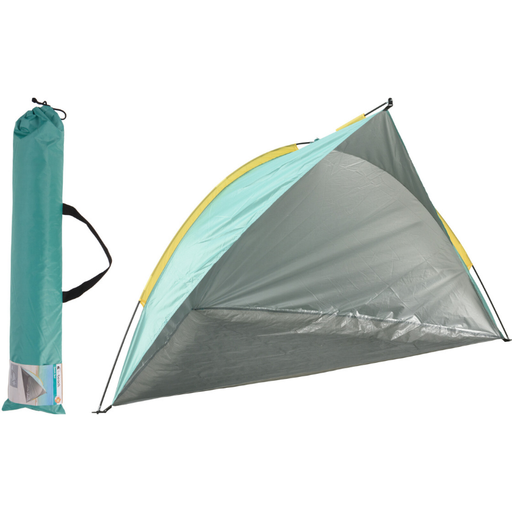
Who is it for? Perfect for families looking for a simple and effective sun shelter for the beach or picnics. Its purpose isn't for sleeping, but to provide a comfortable spot of shade during the day.
This shelter doesn't pretend to be a camping tent. Its purpose is clear: to provide sun protection. It thus avoids the trap of false versatility and unrealistic promises.
Its certified UV50+ protection, provided by a silver inner coating. Lightweight and quick to set up thanks to its fibreglass poles.
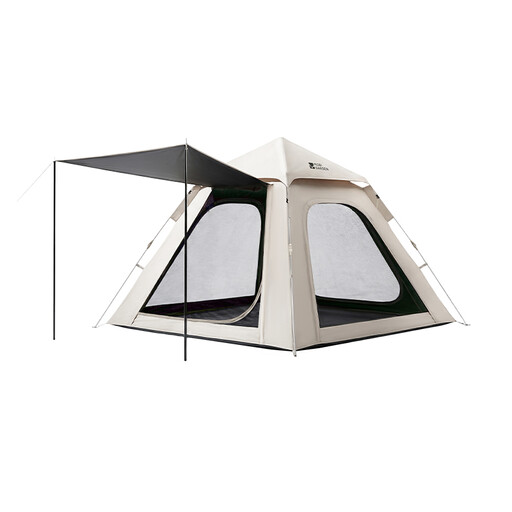
Who is it for? For casual campers and families who want comfort without the chore of setting it up. Its nearly instant deployment eliminates the main source of stress upon arrival at the campsite.
Here, the "easy setup" promise is delivered thanks to the automatic structure. Its stated capacity (2-5 people) and its 5.76 m? interior space are realistic for a small family, unlike many competing models.
Its blackout fabric that blocks light and heat, and its PU2000mm waterproof rating, perfect for summer showers.
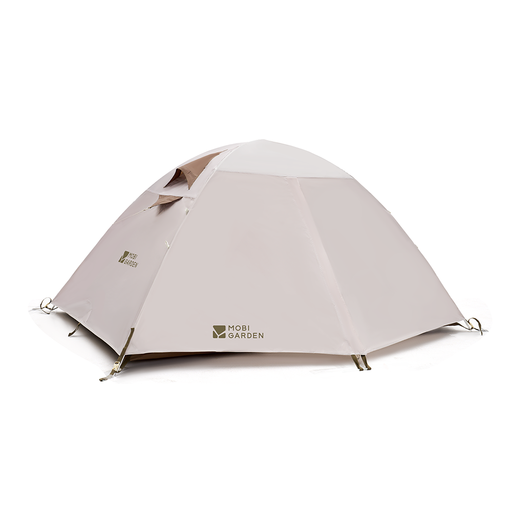
Who is it for? Designed for hikers looking for a reliable shelter for two, without sacrificing their backs. It's the perfect balance of weight, durability, and protection for multi-day trips.
This model is fully transparent with clear, verifiable specs: PU2000mm (flysheet) and PU3000mm (floor) waterproof rating, 7001 aluminium poles, and a controlled weight of 2.64 kg. No room for marketing fluff.
Its freestanding dome structure, which guarantees stability. The inner tent is mostly mesh for optimal ventilation, and the double entry makes life much easier for two people.
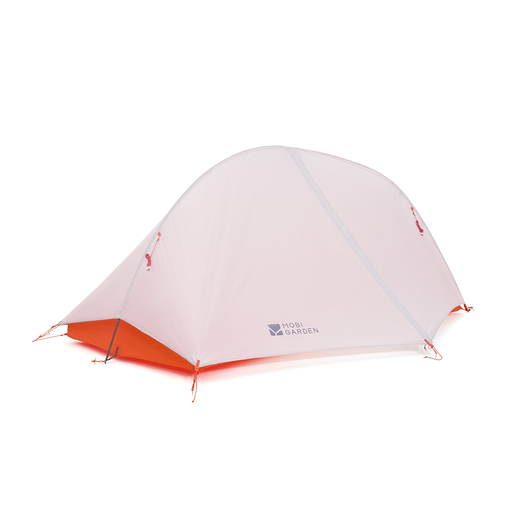
Who is it for? For trekkers and ultralight hiking enthusiasts for whom every gram is an enemy. Its feather-light weight and compact size make it a top-tier choice for long, self-sufficient journeys.
It doesn't sacrifice quality at the altar of weight. The use of technical materials (silicone-coated 20D ripstop nylon, FFP aluminium poles) is a sign of quality. Its spec sheet is honest about its limitations: it's a 3-season tent, not a storm-proof bunker.
Its net weight of around 1.18 kg, an exceptional performance for a 2-person tent. Its pack size is minimal when folded (48 x 11 cm).
Explore our full selection of tents that meet our criteria for quality, durability, and safety.
It all depends on the quality of the materials, the frequency of use, and especially the care it receives. A well-maintained tent can easily last between 5 and 10 years, or even longer. The golden rule: always dry it completely before storing it to prevent mould. Cleaning it with plain water and storing it in a cool, dry place away from the sun will do the rest.
For typical use in most climates (camping, festivals, short hikes), a rating of 2000 mm for the rainfly and 3000 mm for the groundsheet is the ideal compromise. You'll stay dry during usual downpours. For mountain treks or destinations known for heavy rain, aim for 3000 mm or more for the rainfly for greater peace of mind.
Yes, setup is child's play: it takes just a few seconds, even on your own. The real challenge has long been folding it back up. While the first models were a real nightmare to pack away, current systems are much more intuitive. Our advice: practise folding it once or twice at home to master the technique and avoid a meltdown at the campsite.