
Livraison le jour même ou le lendemain

Qualité garantie

Débloquez vos offres de bienvenue: Livraison GRATUITE | Jusqu'à -80 % | 30 jours d'essai gratuits à JoyPlus
Téléchargez l'application
Choosing a camping stove might seem simple, but the market is flooded with models making enticing promises that often disappoint out in the field. The wrong choice can turn your dream getaway into a logistical nightmare. To avoid buyer's remorse, you need to see through the marketing ploys and focus on what truly matters: gear that will be there for you everywhere, without fail.
The two most common mistakes? Being blinded by the advertised power output and underestimating the importance of stability. A stove that's powerful on paper can be disappointing and a fuel-guzzler if it isn't shielded from the wind. As for ultralight models, their instability can quickly become a real hazard when using a full cooking pot.
To make the right decision, focus on a few technical criteria that make all the difference in the field for your future outdoor cooking companion.
The choice of fuel directly impacts your stove's weight, ease of use, and long-term running costs.
Weight is a decisive factor for a backpacking stove, but it should never come at the expense of safety.
To help you find your match, we've outlined three typical user profiles, each with the perfect stove to suit their needs.
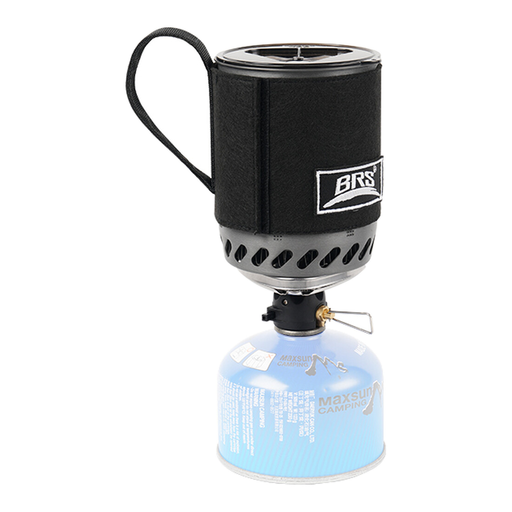
Why it's a match: Ideal for treks where every gram counts. This all-in-one system merges the burner, a 0.5L pot, and its lid into an ultra-compact and lightweight unit. Perfect for one person.
Its integrated design makes the most of its 1500W. The result: reduced gas consumption and record-fast heating times, even in a light breeze.
An "all-in-one" design where every component nests inside the pot. A featherlight weight of just 0.36 kg means it goes unnoticed in your pack.
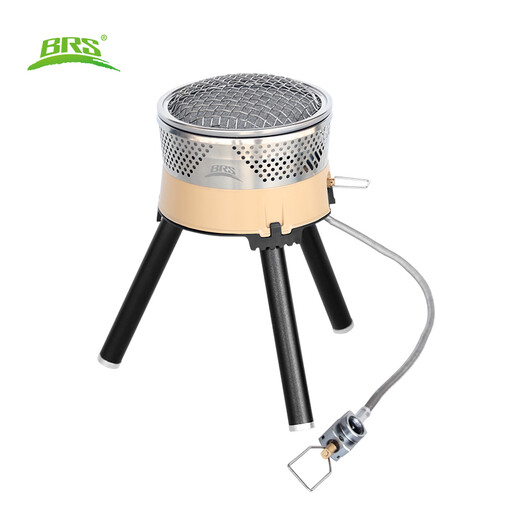
Why it's a match: For the all-rounder who switches from weekend hikes to impromptu bivouacs. Its high power output lets you cook quickly and efficiently, while its butane/propane compatibility ensures great versatility.
This isn't a race to be the lightest. The focus is on a raw power of 1900W that ensures express heating, without the relative fragility of an integrated system.
The manufacturer claims it can boil 1L of water in just 3 minutes. Its simple and robust stainless steel and aluminium alloy construction is a guarantee of longevity.
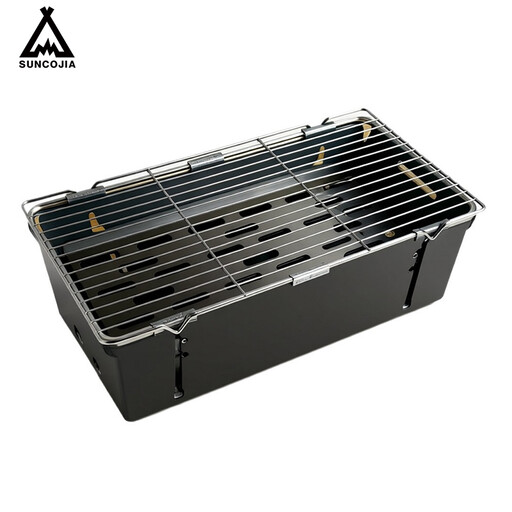
Why it's a match: The perfect ally for car camping basecamps, group picnics, or portable barbecue sessions. Here, weight isn't the main concern; robustness and the capacity to feed several hungry mouths are.
It makes no apologies for its 3.6 kg weight, offering unbeatable stability and durability thanks to its carbon steel frame. It's nothing like the flimsy mini-stoves that are unsuitable for group cooking.
It runs on wood, an economical and user-friendly solution. Its stainless steel grate ensures excellent heat distribution for even cooking.
We have selected a full range of products for you that meet our selection criteria and current safety standards.
The burn time depends on the canister's capacity (100g, 230g, 450g), the stove's power output, the flame setting, and external conditions (wind, temperature). As a general guide, a 230g canister can boil between 10 and 15 litres of water. For a multi-day trek, it's best to estimate the number of hot meals and coffees you'll need to anticipate your fuel consumption.
Yes, but with a few precautions. In windy conditions, using a windscreen is essential: it protects the flame, boosts efficiency, and saves precious fuel. If it's raining, you must cook in a well-ventilated area, such as your tent's vestibule (the entrance area), but never, ever, inside the inner tent. The risks of fire and carbon monoxide poisoning are very real.
After each use, let the stove cool down completely. Empty the ashes and remove any soot deposits with a small brush. Wipe it with a dry cloth before storing it in its case. Store it in a dry, ventilated place. For carbon steel models, applying a thin coat of vegetable oil to the surfaces from time to time will help prevent rust from forming.