
Livraison le jour même ou le lendemain

Qualité garantie

Débloquez vos offres de bienvenue: Livraison GRATUITE | Jusqu'à -80 % | 30 jours d'essai gratuits à JoyPlus
Téléchargez l'application
By Joybuy, your product expert
Whether it's for a camping weekend, a family picnic, or a fishing trip, good organisation is the key to success. At the heart of this preparation lies the camping storage box, essential for transporting your gear and keeping your provisions cool. The problem: the market is flooded with models making tempting promises that, once in the field, lead to bitter disappointment. To ensure you don't regret your purchase, learn how to outsmart the most common marketing traps.
Too many campers end up with unsuitable gear that ruins their trip. Here are the pitfalls to avoid to make a wise investment.
Forget the advertising slogans. To find the box that will last you for years, focus on these few decisive technical points.
The choice of material determines your box's durability and purpose.
The volume, in litres, should match your habits. There's no point in hauling empty space!
A full box is heavy. Sturdy, comfortable handles are not a luxury, but a necessity. Also, consider stackable models, a real bonus for optimising boot space. And if you're eyeing the storage box table function, check that the structure is well-reinforced and that the whole setup is perfectly stable once unfolded.
To illustrate these criteria in practice, here are three models that caught our attention, each meeting a specific need.
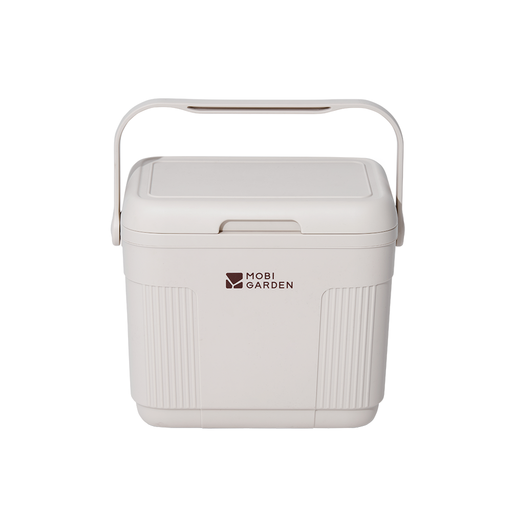
The brief: With its compact 10L size, it's perfect for day trips or solo road trips. It slides behind a car seat and provides effective cooling for a meal and a few drinks.
Unlike gimmicky mini-coolers, this model features a real PU foam insulating layer and a silicone gasket. Goodbye to broken insulation promises.
Serious thermal performance in an ultra-portable size. Its food-grade PP body means you can toss food directly inside without worry.
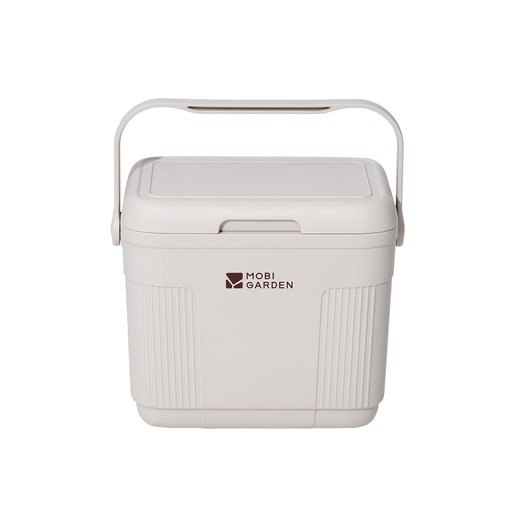
The brief: Its 22L capacity is perfectly sized for a family of 4-6 for a weekend. Its robust construction is designed to survive the (sometimes overwhelming) enthusiasm of family outings.
No more fear of breakage. With its reinforced corners and thick PP shell, it's built to take the bumps and scrapes that are an inevitable part of outdoor life.
The perfect balance of volume, insulation (up to 36-48h depending on conditions), and durability. Its large rotating handle makes carrying it much more comfortable, even when full to the brim.
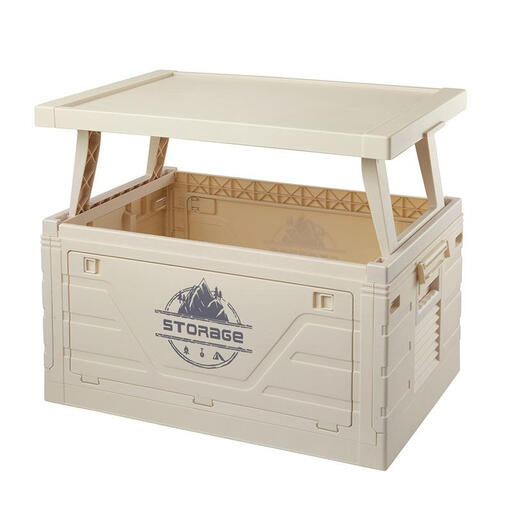
The brief: For those who count every square inch, this 2-in-1 model serves as both a storage crate for dry gear and a stable side table. A significant space-saver at the campsite.
It avoids the trap of the multi-function "good idea on paper." Here, the table function relies on a solid load-bearing structure, ensuring real stability, unlike flimsy lids that serve as a token table.
A true two-in-one that's finally functional. Its side-opening system allows access to the contents without having to clear everything off the table. Clever.
Explore our full selection of boxes and coolers that meet our strict quality and safety standards.
Hard cooler or soft cooler bag: which to choose? The hard cooler wins on all fronts: better insulation, better protection against impacts. It's the high-performance choice for long journeys and fragile items. The soft bag, on the other hand, is lighter and folds for storage. It's a backup solution, less effective at retaining cold and much more fragile.
How can I keep my cooler cold for as long as possible? A few pro tips: the night before, place your open cooler in a cool place (cellar, garage) and freeze your ice packs. Pre-chill your food and drinks as well. Favour ice packs over loose ice cubes (they melt slower). Fill any empty space with towels or frozen water bottles to push out the air. And the golden rule: only open the lid when absolutely necessary!
Can I sit on my camping box? Only if the manufacturer states it in black and white, along with the maximum supported weight! Most standard boxes are not designed for this use and risk breaking. For use as a makeshift seat, look for a model with an explicitly reinforced structure to avoid any nasty surprises.