Campers who want to track their protein intake
If your trip includes a hike or other physical activity, the amount of protein listed per pack can help you choose a snack. That figure alone doesn’t prove the snack will aid recovery.


If you’re mainly looking for a measurable amount of protein in a snack for a sporty camping trip, compare protein crisps with nutrition information per pack and per 100 g. Myprotein France lists 11 g of protein per 25 g pack of its salt and vinegar flavour. Lentil crisps offer a different recipe option, while classic crisps can be a good choice for sharing. Whichever you choose, check the salt, allergens and pack size you’ll be taking with you, and don’t expect crisps alone to aid sports recovery.
If your trip includes a hike or other physical activity, the amount of protein listed per pack can help you choose a snack. That figure alone doesn’t prove the snack will aid recovery.
You’re looking for a legume-based recipe rather than classic potato crisps. If you have a specific protein target, the main ingredient is no substitute for checking the nutrition information for the product you choose.
Pack size, flavour and ease of serving at the campsite matter more than protein content. Check the pack weight and number of servings before choosing between a small pack and a larger one.
To compare protein crisps, lentil crisps and classic crisps, start with your priority: a stated protein content, the ingredients or a pack size that’s suitable for sharing. Compare nutritional values on the same basis, particularly per 100 g, then consider the portion you plan to eat.
| Criteria | What to check | Who it’s for |
|---|---|---|
| Measurable protein content | Compare the grams of protein per portion and per 100 g for the exact product. Myprotein France lists 11 g per 25 g pack of its salt and vinegar-flavoured popped protein crisps; Pringles France lists 1.9 g per 30 g portion of Original. | For a snack to take with me after some activity, I want to know how much protein is in the pack rather than relying on its name. Around 50% of consumers put this measurable intake at the top of their list. |
| Ingredients, salt and allergens | Read the ingredients, allergen information and salt content per portion. Myprotein France lists 1.4 g of salt per 25 g pack of its salt and vinegar flavour, which contains soya. | If I need to watch my salt intake or avoid an ingredient, checking this comes before choosing a flavour or a high-protein option. This is the main priority for around 30% of consumers. |
| Pack size for your trip | Check the net weight, number of portions and storage instructions for the pack you’re taking with you. | At the campsite, I first look for a pack that suits a solo break or a snack to share. Pack size and ease of serving are the main considerations for around 20% of consumers. |
You may be interested in a lentil recipe for its ingredients, but it won’t necessarily provide the amount of protein you’re looking for in a snack.
Check the protein listed per 100 g and per portion for the exact product, rather than estimating the amount from its main ingredient.
According to Myprotein France, the salt and vinegar-flavoured popped protein crisps reviewed contain 11 g of protein, but also 1.4 g of salt per 25 g pack.
Check both figures for the portion you plan to eat.
The Myprotein salt and vinegar product contains soya and may contain traces of celery, egg, milk and mustard. Information can vary between recipes.
If you have an allergy, check the ingredients and any “may contain” information on the exact product’s packaging, even if you’re already familiar with another flavour.
Products in the same range don’t necessarily have the same nutritional values or allergen information across different pack sizes or recipes.
Before buying, check the weight, recipe and label of the product on offer against the values you’re using to compare.
Its salt and vinegar-flavoured popped protein crisps make it easy to compare values listed per 25 g pack.
The Chips de Lentilles range offers a lentil-based recipe that’s distinct from popped protein crisps.
Original is included here as a classic crisp option for when pack size and sharing matter more than protein content.
Lay's presents its classic crisps as an option for sharing and picnics, which is different from looking for a specific amount of protein.
These two crunchy snacks in packs could be worth considering for camping if you’re looking for an alternative to crisps. The first is made from roasted chickpeas and the second is a pea snack; neither should be confused with the protein crisps or lentil crisps compared above.
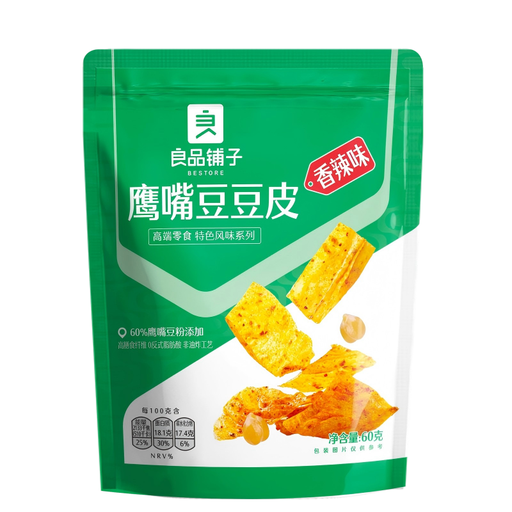 Image unavailable
Worth considering if you’d prefer roasted chickpeas to crisps for your camping snack. The pack contains 60 g; check the nutritional information, allergens and instructions on the packaging before choosing it for a specific need.
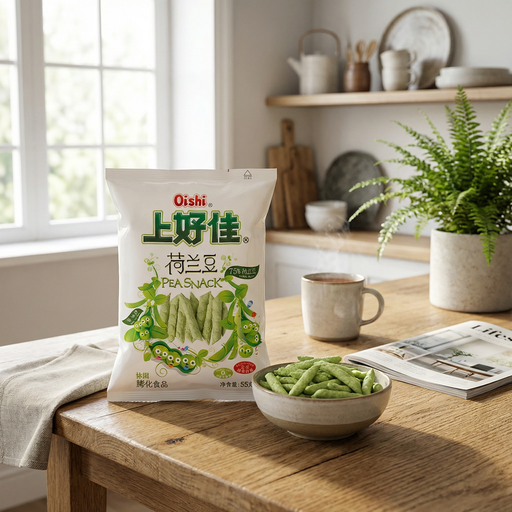 Image unavailable
Worth considering if you’re after a pea snack in a pack, rather than a replacement for protein crisps. The pack contains 55 g; check the label for protein per portion, ingredients and any allergens that matter to you.
Their protein content alone isn’t enough to establish that they aid recovery. Anses highlights the role of protein in the renewal of muscle tissue, but also warns against assuming that people who exercise regularly always get too little protein from their everyday diet.
Check the grams of protein per 100 g, then per portion you plan to take with you. Myprotein France lists 11 g per 25 g pack of its salt and vinegar-flavoured popped protein crisps; Pringles France lists 1.9 g per 30 g portion of Original. These portions aren’t the same weight, so use the per-100 g figure to compare them on a like-for-like basis.
Check the date, the condition of the pack and the storage instructions for the product you’ve chosen. Myprotein France says its popped protein crisps should be stored in a cool, dry place, away from direct sunlight.
Check the ingredients list and information on the packaging of the recipe you’ve bought. The European Commission states that allergens must be highlighted in the ingredients list of prepacked foods. Also read any “may contain” information if it’s relevant to your choice.