People organising a group camping trip
If you’re sharing snacks between campers or packing lunches, check the number and weight of the portions, and whether the bars are individually wrapped.


Whether you’re sharing snacks at the campsite or packing lunches, start by choosing the number of bars and portion size to suit your group and the length of your trip. For an active day, compare the protein and carbohydrate content per bar too. In all cases, check the exact recipe, allergens, date and storage instructions. A bar is a snack, not automatically a meal.
If you’re sharing snacks between campers or packing lunches, check the number and weight of the portions, and whether the bars are individually wrapped.
For a day of walking or other physical activity, the protein and carbohydrate content per bar can help you choose a snack. Remember to plan separately for the meals and water you’ll need on your trip.
Before buying a pack to share, check the ingredients and allergens for each recipe. Nutritional information per 100 g also gives you a consistent basis for comparing products.
Start with the portions you’ll actually need during your trip, then check the ingredients and transport requirements for your chosen recipe.
| What matters | What to check | Who it matters to |
|---|---|---|
| Portion planning | Number of bars, weight per bar and individual wrappers if everyone needs to take their own portion. | When sharing between campers or packing lunches, I want to count the portions before setting off. Around 31% of consumers make this a priority. |
| A snack for an active day | Protein and carbohydrates per bar; plan for water separately. | On a day of walking, I look for a snack with nutritional information per portion that I can check, without mistaking it for a meal. This is the main concern for around 23% of consumers. |
| Ingredients and allergens | Check the ingredients list, allergens and any possible traces on the packaging for your chosen recipe. | If the pack will be shared with a group, I need to know whether everyone can eat the recipe. This check comes before other criteria for around 23% of consumers. |
| Transport and storage | Storage instructions and date shown on the packaging; quantity to carry. | When bars will be kept in camping gear for several days, I want to store them as directed and avoid leaving portions unused. Around 23% of consumers prioritise this. |
Five 32 g bars and three 35 g bars don’t add up to the same total weight or portion size. The DGCCRF says that nutritional values per 100 g make it easier to compare products.
Compare the number of bars and their weight, then check the values per 100 g and, where shown on the label, per portion.
Auchan Eat’N Move’s caramel recipe lists milk, wheat and soya, as well as possible traces of other allergens. Check any other recipe separately, even if it’s from the same brand.
Ask about the group’s dietary requirements before setting off, then check the label on the product you actually buy.
Auchan says its Eat’N Move caramel recipe is sensitive to heat and humidity. Instructions can vary from one product to another.
Read the packaging and choose a storage spot that meets the instructions for each pack.
A protein bar isn’t automatically a complete meal. If you’re heading out for an active day, remember to plan for hydration separately too; Isostar makes this clear for its High Protein 25 bars.
Add bars to a wider camping food list and take enough water for your planned activity.
Carrefour France lists a Variety Pack of four 40 g bars; Auchan France also stocks a pack of eight bars weighing 320 g in total.
Auchan France lists its caramel recipe in a pack of 5 × 32 g and states that each bar contains 11 g of protein.
Decathlon France’s protein bar range includes a chocolate pack of 8 × 60 g.
Isostar offers its High Protein 25 hazelnut bars in a pack of 3 × 35 g, for eating during or after training.
E.Leclerc lists a Milical pack of six bars with a net weight of 162 g, as part of a high-protein snack range.
These pack sizes make it easy to prepare several snacks for a trip: protein bars to share or take along for an active day, plus two CLIF BAR energy bars, which are different from protein bars.
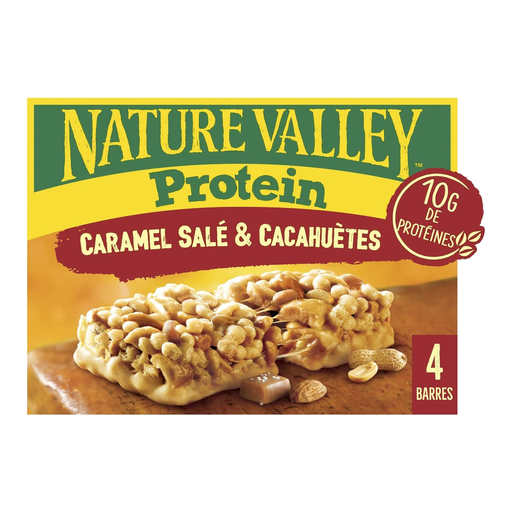 Image unavailable
For sharing four snacks between campers or packing them in lunches, this pack contains individually wrapped 40 g bars.
The product listing states that each bar contains 10.4 g of protein. It lists peanuts, soya, milk and almonds; check the label before sharing. Also check the date on the packaging and store the pack as directed, in a cool, dry place.
 Image unavailable
For planning several snacks to enjoy without preparation during a trip or after an activity, this pack contains ten 65 g bars.
The product listing states that each bar contains 20 g of protein. It lists soya, milk and wheat, and may contain traces of eggs, nuts and peanuts. Check the recipe and date on the packaging; the storage instructions say to keep in a cool, dry place.
 Image unavailable
For packing several snacks for outdoor activities, this pack contains twelve 68 g energy bars, rather than bars marketed as protein bars.
The product listing states that each bar contains 11 g of protein and 38 g of carbohydrates. It lists oats, soya, barley, almonds, wheat and milk, among other ingredients: check the label for the exact recipe before sharing.
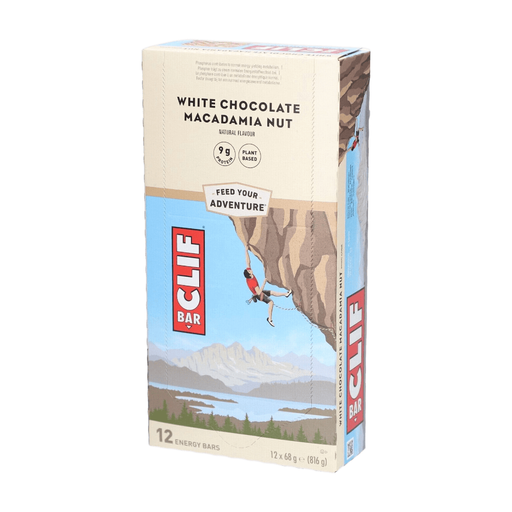 Image unavailable
For taking several snacks with you on a trip, this pack contains twelve 68 g energy bars; they are not protein bars.
The product listing states that each bar contains 9 g of plant protein and 38.9 g of carbohydrates. It lists oats, soya, barley and macadamia, among other ingredients, and may contain traces and fragments of nut shells. Check the recipe before sharing.
 Image unavailable
For planning ten snacks to enjoy without preparation during your trip, this pack contains 60 g bars.
If the protein content per portion is important to you, check it on the packaging. The product listing mentions milk and soya, possible traces of gluten, eggs, nuts and peanuts, and a possible laxative effect if sweeteners are consumed in excess. Also check the date and storage instructions.
Don’t automatically treat a bar as a meal: its nutritional information describes one portion, not a whole menu. Anses reminds us that a balanced diet relies on a variety of nutritional sources, so plan for the other food and water you’ll need during your trip.
Read the ingredients list and allergens for the exact recipe, then check the number of portions and the date on the packaging. The DGCCRF says nutritional values per 100 g provide a common basis for comparing two products; also check the values per portion where they’re shown.
Follow the instructions on the packaging for the product you’ve chosen and check its date before setting off. Auchan, for example, says its Eat’N Move caramel recipe is sensitive to heat and humidity; don’t assume this applies to all bars.
No. Also compare carbohydrates, other nutritional values per portion and the weight you’ll need to carry, based on your planned activity. Isostar lists the protein and carbohydrate content of its High Protein 25 bar and reminds you to plan for hydration separately.