One person without reliable refrigeration
If you’re making pasta for one, compare the amount you need with the 180–210 g packs available from brands including TURINI, Barilla and Panzani. A small pack doesn’t guarantee that you’ll use it all.


For a single meal when you have no reliable way to refrigerate leftovers, start by comparing ready-to-use sauces in smaller packs with the amount you expect to use: Panzani, Barilla and TURINI offer documented products weighing between 180 and 210 g. A larger pack is more suitable if several people will finish it at the same meal. Tomato purée in a carton or tube lets you measure out what you need, but it may not be a ready-to-serve sauce. In all cases, follow the storage instructions on the product you buy once it has been opened.
If you’re making pasta for one, compare the amount you need with the 180–210 g packs available from brands including TURINI, Barilla and Panzani. A small pack doesn’t guarantee that you’ll use it all.
If several people are eating together, a 400 g pack or larger may be a good option, as long as you finish it at the meal or can store any leftovers according to the packaging instructions.
Tomato purée in a carton or a product in a tube can help you measure out the amount you need for different recipes. Check how it’s described: a cooking ingredient isn’t necessarily a ready-to-use pasta sauce.
First, decide whether you’ll finish the sauce at the meal, then check the recipe and what you’ll need to serve it. The weight of the pack alone doesn’t tell you how many portions it makes or how to use it.
| What to consider | What to check | Who is it for? |
|---|---|---|
| Leftovers after opening | Compare the net weight with the amount you expect to use, and read the storage instructions for after opening. | Without reliable refrigeration, I want to finish the sauce at the meal rather than carry an opened pack around. Around 36% of consumers would make this their top priority. |
| Preparing food on site | Check the instructions, the container you’ll need and which appliances are allowed at the venue. | With limited equipment, I’m looking for a sauce I can serve according to the manufacturer’s instructions. This would be the top priority for around 29% of consumers. |
| Recipe ingredients | Check the ingredients, allergens and nutritional information for the exact product. | If I’m cooking for people with different dietary preferences, I need to know what’s in the sauce before choosing. Around 21% of consumers would prioritise this check. |
| A pack to share | Match the quantity to the number of people eating, and plan what you’ll do with any leftovers. | When several people are sharing pasta, I’d rather choose a pack that suits the meal. This would be the top priority for around 14% of consumers. |
The 180–210 g products mentioned here may come in different types of packaging. Their net weight doesn’t tell you how much sauce you’ll use with your pasta.
If you specifically want a tin, check the packaging material, then compare the amount of sauce with what you’ll need for your meal.
Storage instructions vary by product. For example, the Joybuy listing for De Cecco’s 200 g sauce says to keep it refrigerated at no more than 4 °C and use it within three days of opening.
If you can’t reliably follow the instructions for the product you’ve bought, choose an amount you can finish at the meal.
The preparation instructions on a sauce don’t mean that a camping stove or another heat source is allowed at the venue.
Check the campsite or festival rules before choosing your equipment, and follow the reheating instructions on the packaging.
Panzani offers ready-to-use tomato sauces, as well as cooking ingredients and products in tubes.
Barilla’s Basilico tomato sauce is available in 200 g and 400 g packs.
The range listed by E.Leclerc includes a 180 g tomato sauce with finely chopped vegetables and products weighing 190 g.
E.Leclerc’s 420 g bolognese sauce contains beef and pork.
These 190–200 g pestos are small-pack options to serve with pasta. They aren’t interchangeable with tomato sauces or tomato purée for cooking, so compare the recipe and the amount you expect to use at your meal.
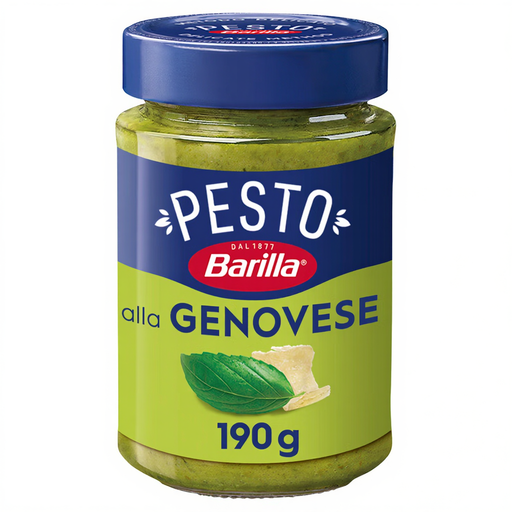 Image unavailable
Worth comparing if you’re serving pesto with a small pasta meal. If you expect to have some left over, check the storage instructions on the pack once opened and make sure you can refrigerate it appropriately.
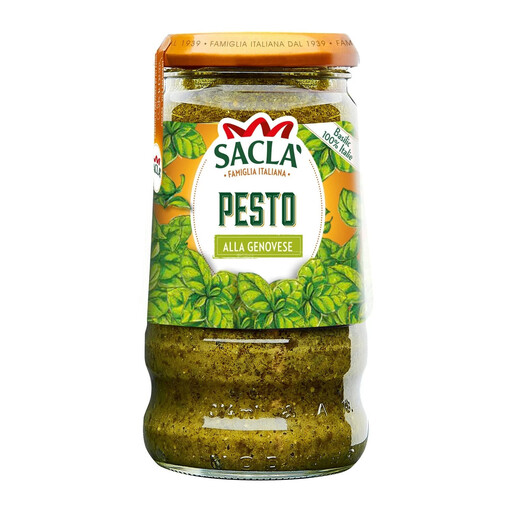 Image unavailable
This pasta pesto gives you another 190 g pack to compare for your meal. If you don’t have reliable refrigeration, choose how much to open with the storage instructions for after opening in mind.
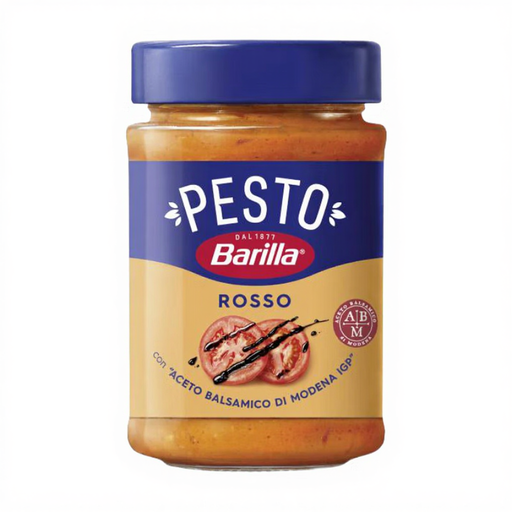 Image unavailable
This 200 g pesto is an option if you’d like something different from Pesto Genovese with your pasta. Check the label for ingredients and instructions for storing any leftovers.
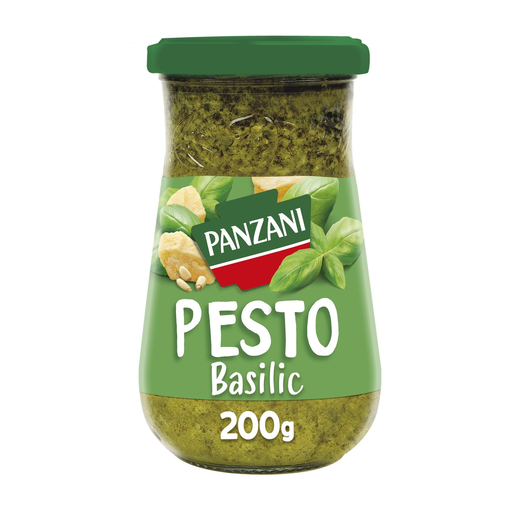 Image unavailable
Compare this 200 g pesto with other small packs for a pasta meal. Check the recipe and storage instructions if you won’t use the whole pack.
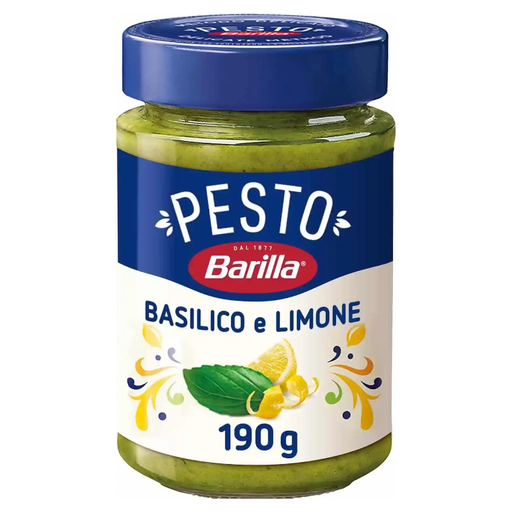 Image unavailable
This 190 g pesto offers another recipe to try with pasta. If you expect to have some left over, check the storage conditions and how long it will keep after opening on the product you buy.
Don’t plan to do this until you’ve checked the product’s instructions and confirmed you can follow them. The Joybuy listing for De Cecco’s 200 g sauce says to keep it refrigerated at no more than 4 °C and use it within three days of opening. The Ministry of the Economy advises following the manufacturer’s storage instructions.
Don’t assume you can heat it based on the type of packaging alone. Follow the instructions for the sauce you’ve bought, use the container specified and check that camping stoves are allowed where you’re staying.
Check the ingredients for the exact product rather than relying on the word “tomato”. Barilla lists its Basilico sauce among its meat-free sauces, while E.Leclerc’s 420 g ECO+ bolognese contains beef and pork.