
Livraison le jour même ou le lendemain

Qualité garantie

Débloquez vos offres de bienvenue: Livraison GRATUITE | Jusqu'à -80 % | 30 jours d'essai gratuits à JoyPlus
Téléchargez l'application
Whether you're at a festival, fishing by a lake, or just napping in the garden sun?: a good portable chair is a game-changer. But the market for camping moon chairs is a jungle of unkept promises. Make the wrong choice, and you're guaranteed disappointment?: a chair that's headed for the landfill after just one summer.
To help you avoid the common pitfalls, let's review the most frequent traps.
To find that hidden gem, you need to look beyond the marketing hype and focus on objective technical criteria.
A smart purchase starts with decoding the spec sheets. Here are the three key points to check to ensure the longevity and practicality of your future comfortable camping chair.
The frame is the skeleton of your chair. The choice of material directly impacts its weight, stability, and lifespan.
The seat is your first point of contact. An unsuitable fabric will stretch or tear in no time.
Oxford fabric is the gold standard for outdoor gear. It's a polyester material whose density, measured in denier (D), determines its strength. A thick, padded Oxford fabric not only offers better resistance to wear and tear but also provides far superior seating comfort, especially on "moon chair" models that cradle the body.
A picnic chair must be easy to transport. Scrutinise two key data points?:
Every outing has its demands, and every user has their perfect chair. To help you make sense of it all, we've matched specific models to typical user profiles.
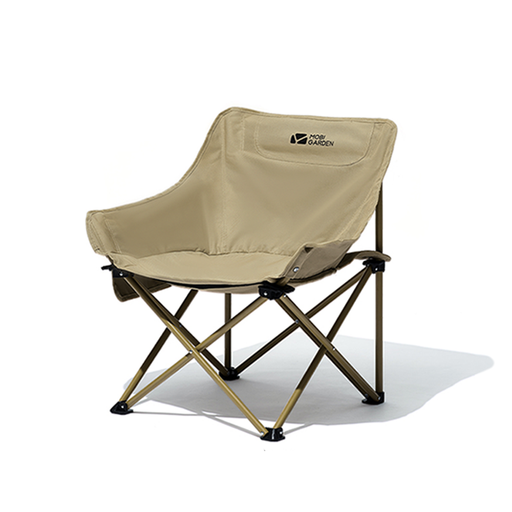
Why it's the right choice : Perfect for picnics, festivals, or a day at the beach. It strikes an excellent balance between the comfort of its enveloping seat and the sturdiness of its steel frame, while remaining easy to transport for occasional use.
Its thick Oxford fabric resists wear and tear, and its carbon steel frame with a multi-layer coating prevents rust. It ticks both boxes for durability.
Wide, curved seat (64.5 cm) for comfortable back and hip support ; a very practical side storage pocket to keep your smartphone or a drink within easy reach.
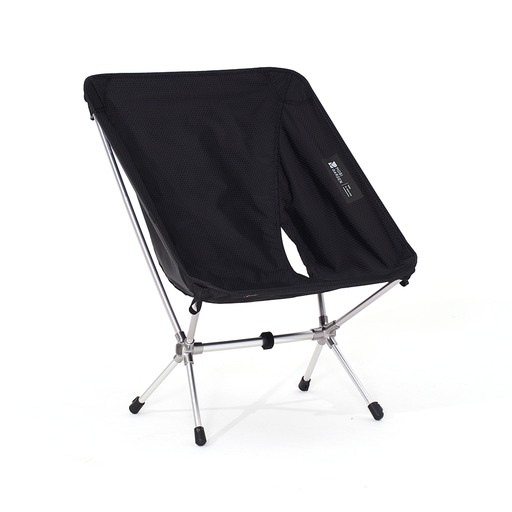
Why it's the right choice : Designed for those who count every gram. Ideal for hiking, trekking, or bikepacking, where lightness and compactness are top priorities.
It tackles the "deceptively portable" trap head-on : weighing in at just 765 g and measuring 36 cm when folded, it doesn't sacrifice stability thanks to its triangulated aluminium structure.
Feather-light weight and minimal bulk ; aerospace-grade aluminium alloy frame for a high static load capacity (approx. 140 kg) despite its lightness.
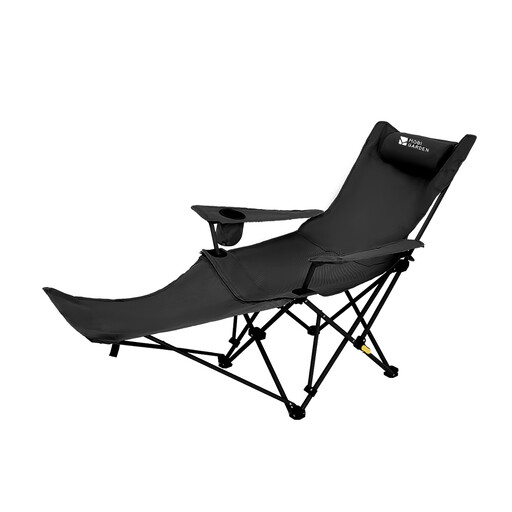
Why it's the right choice : For those who make no compromises on comfort, whether for long fishing sessions, naps at the campsite, or relaxing moments on the balcony. Its reclining feature is a complete game-changer.
It goes beyond basic comfort by offering full ergonomic support (head, neck, back, legs) and multiple positions. Say goodbye to the long-term discomfort of classic chairs!
Three-position adjustable backrest (including a near-flat recline) ; padded and removable headrest ; cup holder and storage pocket integrated into the armrests.
We have curated a complete range of products that meet our strict selection criteria and current safety standards.
The lifespan of a camping chair depends primarily on the quality of its materials and how it's maintained. A model with a treated steel or aluminium frame and a sturdy Oxford fabric can last for many seasons. Proper use (respecting the maximum weight limit, setting it up on flat ground) and careful storage are just as crucial.
Regular maintenance significantly extends the life of your gear. After each outing, wipe down the frame and fabric with a damp cloth to remove dust, mud, or sand. If the chair gets wet, dry it thoroughly before putting it back in its bag. Store it in a dry place, away from direct sunlight, to preserve the fabric's colour and prevent the metal from oxidising. Never use harsh chemical detergents.
The static load capacity indicates the maximum weight the chair can safely support when stationary on a flat surface. It is crucial to respect this limit, not only for your safety but also to avoid damaging the chair's structure. Overloading can cause permanent deformation of the frame or the failure of a component.