
Livraison le jour même ou le lendemain

Qualité garantie

Débloquez vos offres de bienvenue: Livraison GRATUITE | Jusqu'à -80 % | 30 jours d'essai gratuits à JoyPlus
Téléchargez l'application
A good night's sleep makes all the difference on an outdoor adventure. Yet, choosing the right camping mattress can quickly become a headache. Between marketing promises and opaque technical jargon, it's easy to make a mistake and end up with the wrong gear. A mat that's too heavy, poorly insulated, or deflates in the middle of the night can turn a dream getaway into a total nightmare.
Before you buy, watch out for these classic traps that can cost you dearly, both in comfort and in cash?:
To cut through the noise, focus on the few parameters that define a mattress's true performance.
The R-Value measures your mattress's ability to insulate you from the cold ground. The higher the rating, the more insulating the mat. There's no need to aim for the highest rating if you only camp in the summer. Here are a few simple benchmarks?:
The weight and packed size of the mattress are decisive factors, especially if every gram counts in your backpack. A good bivvy sleep system must offer the best possible compromise between comfort and portability. Puncture-proof foam models are often bulkier but light, while inflatable mattresses guarantee superior comfort with minimal packed size, at the cost of increased fragility.
Every camper has their preferred mattress type?:
To help you put these criteria into practice, here are a few models that meet specific needs.
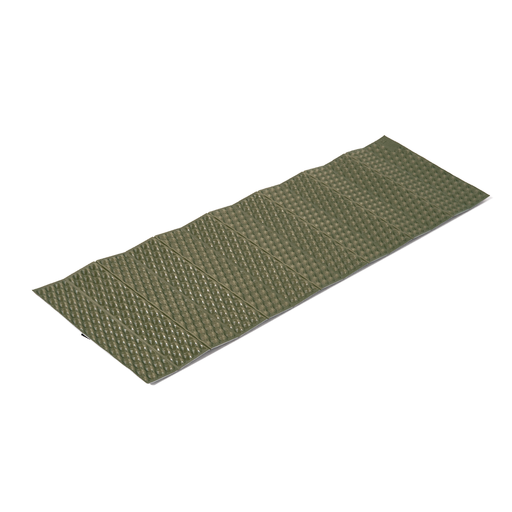
Why it's the right choice : Ideal for the hiker who prioritises reliability and low weight above all else. This foam pad fears neither punctures nor hostile terrain, guaranteeing absolute peace of mind on a bivvy or multi-day trek.
It sidesteps the fragility of ultralight inflatable mattresses. Its puncture-proof XPE foam design is a winning bet on rugged terrain.
Weighing in at just 750 g with an R-Value of 2.6, it provides perfect 3-season insulation. Its egg crate structure traps air for a better thermal barrier.
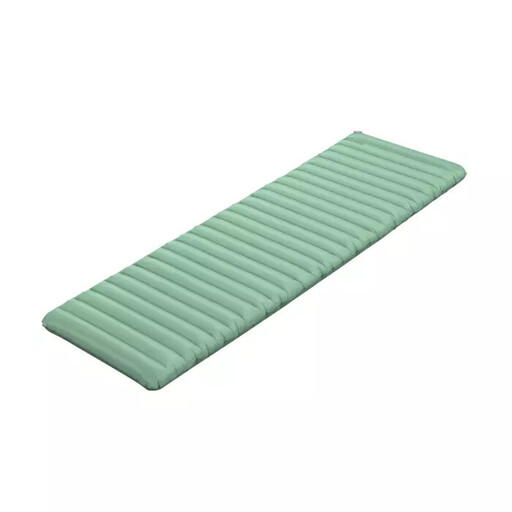
Why it's the right choice : For those who refuse to choose between inflatable comfort and portability. Its 7.5 cm thickness and insulation make it a prime ally for restorative sleep after a long day of hiking.
It strikes the sweet spot between comfort and weight, avoiding the trap of "ultralight" mattresses that are often too spartan. Its R-Value of 2.7 is perfectly calibrated for 3-season use.
Its ToughLite 70D ripstop nylon fabric is designed to resist snags. The internal I-Beam construction ensures good stability and reduces slipping during the night.

Why it's the right choice : The premium option for family camping or long stays in one spot. This camp cot offers maximum comfort by raising the sleeper 50 cm off the ground, away from moisture and uneven surfaces.
It doesn't pretend to be something it's not. It fully embraces its role as a comfort solution for car camping, avoiding the pitfalls of weight and bulk for a use case where it won't be carried.
Its robust steel frame supports up to 200 kg. It unfolds with no assembly required and packs away in a flash into its bag. Its generous dimensions (213 x 79 cm) accommodate all body types.
Discover our full selection of products that meet our demanding selection criteria and current safety standards.
It all depends on the model and how you care for it. A foam sleeping pad can last a lifetime (or close to it) because it's puncture-proof. For an inflatable mattress, longevity varies based on the quality of the materials and your usage. To preserve it, inspect the area where you set it up, avoid over-inflating it, and always store it clean, dry, and out of the sun.
Most quality models include a repair kit. The method is simple and proven?: slightly inflate the mattress and either submerge it in water (a bathtub, a lake...) or wipe a soapy sponge over its surface to find the leak, which will be given away by a stream of bubbles. Mark the spot, dry and clean the area, then apply the patch with the provided glue, following the instructions to the letter.
It all comes down to your priorities?: