
Livraison le jour même ou le lendemain

Qualité garantie

Débloquez vos offres de bienvenue: Livraison GRATUITE | Jusqu'à -80 % | 30 jours d'essai gratuits à JoyPlus
Téléchargez l'application
Planning an outdoor getaway is always exciting, but choosing the right camping gear can quickly become a headache. Between tempting marketing promises and indecipherable spec sheets, it's easy to end up with unsuitable equipment that turns an adventure into a disaster. To avoid disappointment, let's review the most common pitfalls.
The first trap? Falling for the "ultra-light" siren song without considering the trade-offs. A feather-light product is often fragile, making it ill-suited for family or heavy use. Another classic pitfall: waterproof ratings, which are often far too optimistic. A tent sold as "rain-resistant" won't necessarily survive a sustained downpour, turning your night under the stars into a damp nightmare. Finally, be wary of camping furniture that sacrifices stability for the sake of compactness, making a simple folding camping chair wobbly on the slightest uneven ground.
To make an informed choice, forget the slogans and focus on objective data. Here are the key points to check before pulling out your credit card for your bivouac gear or camping equipment.
The waterproofness of a fabric, especially for a camping tent, is measured in Schmerber (or mm). This rating represents the height of a water column (in mm) the fabric can withstand before water seeps through.
Weight is a crucial factor, but it must be balanced against the type of adventure you're planning.
Good outdoor gear is, above all, gear you don't dread using. Therefore, ease of setup and transport is paramount. For a folding camping table or chair, examine the folding mechanism (X-frame, roll-up) and test its stability once unfolded. For a tent, a freestanding structure or colour-coded poles can be a lifesaver, especially if you're setting up camp alone as night falls.
There's no such thing as perfect, one-size-fits-all gear. However, there is gear that's perfect for you. The trick is to choose equipment that precisely matches your adventurer profile. Here are a few suggestions designed for different needs.
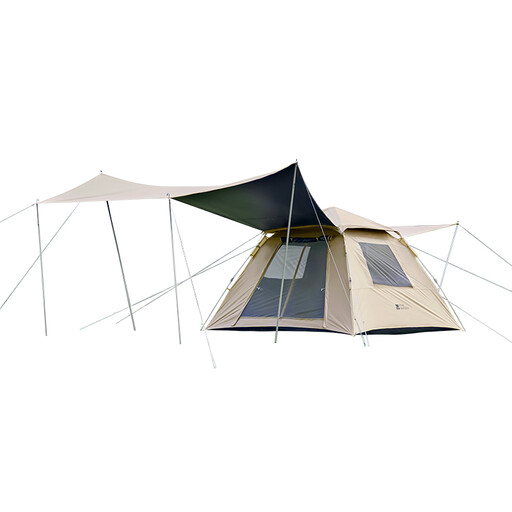
Why we chose it: Perfect for families or weekend campers who prioritise simplicity. Its near-instant setup is a real bonus. The generous interior space and additional tarp create a truly comfortable awning.
No more endless setups and incomprehensible instructions. Its automatic structure deploys in seconds, allowing you to get settled without stress, even with impatient kids underfoot.
UPF50+ blackout fabric for sleeping in and reducing heat. Five-sided ventilation to prevent condensation. PU2000mm waterproof rating, perfect for the fair-weather season.
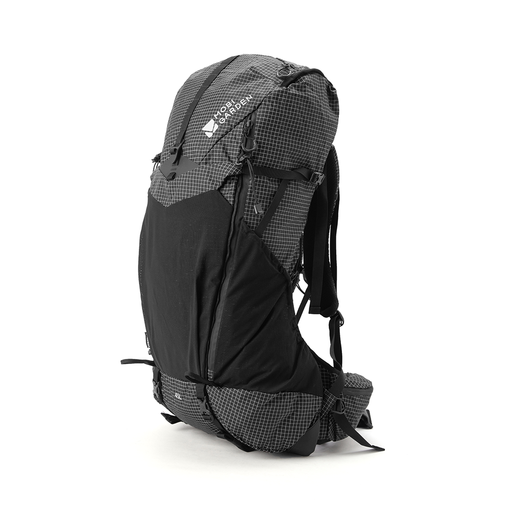
Why we chose it: Built for multi-day treks where every gram counts. Its 45L volume is perfectly sized to carry enough for 2 to 3 days of self-sufficiency.
It solves the eternal weight vs. durability dilemma. The Dyneema composite fabric is renowned for its outstanding resistance to tearing and abrasion, all at a feather-light weight.
3D suspended back panel to keep your back dry. Multiple external attachment points for walking poles or a camping mat. Smart compartmentalisation for top-notch organisation.
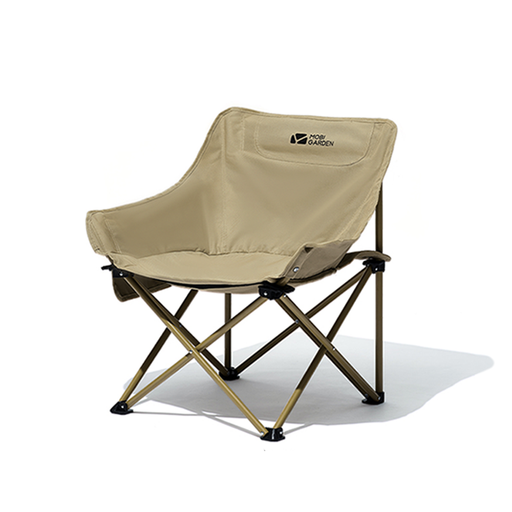
Why we chose it: For those who refuse to sacrifice comfort, even in the great outdoors. Its enveloping "moon" shape and wide seat are a pure delight for relaxing after a long day's hike.
It tackles the curse of unstable and bulky camping furniture. Its carbon steel structure with X-shaped crossbars ensures excellent stability, while folding down into a compact form factor that's easy to transport.
Padded, wear-resistant Oxford fabric. Supports a static load of up to 100 kg. A thoughtfully designed side pocket keeps your phone or drink within arm's reach.
We've curated a complete selection of products that meet our demanding specifications.
A tent's longevity depends on its quality, frequency of use, and, above all, its maintenance. To make it last, always ensure it is completely dry before storing it to prevent mould and mildew. Clean it with plain water and a soft cloth, without harsh detergents. Finally, avoid folding it along the same creases every time to prevent premature wear on the fabric and its waterproof coating.
The choice depends on two criteria: the duration of your trips and your body type.
It all depends on your priorities: