
Livraison le jour même ou le lendemain

Qualité garantie

Débloquez vos offres de bienvenue: Livraison GRATUITE | Jusqu'à -80 % | 30 jours d'essai gratuits à JoyPlus
Téléchargez l'application
Whether for a weekend campout or a multi-day trek, the question is always the same?: how do you get the right gear without being weighed down or breaking the bank?? Faced with a huge market for camping gear, it's easy to feel lost between marketing promises and endless spec sheets. As a product specialist at Joybuy, my role is to do the groundwork for you. This guide will provide clear benchmarks and practical advice for choosing equipment that is functional, durable, and truly suited to your adventures.
Before diving into our selection, keep a few key principles in mind when putting together your kit. A well-thought-out approach is the best way to avoid unnecessary purchases and ensure your comfort in the field.
The best camping gear is the gear you'll use most often. Instead of accumulating hyper-specialised equipment, opt for versatile products. A 4-season 2-person tent, for example, will serve you just as well for a summer night by a lake as for an autumn campout in the mid-mountains. Anticipate the different conditions you might encounter and choose gear that can adapt to them.
When hiking, every gram counts. Lightweight trekking gear is no longer a luxury but a necessity for conserving energy and fully enjoying the scenery. Pay close attention to the weight of your tent, sleeping bag, and backpack. Compactness is just as crucial?: telescopic walking poles or a collapsible water container can be easily stowed away without taking up precious space.
Beyond the tent-sleeping bag-backpack trio, bivouac accessories are what separate a rustic experience from a truly enjoyable one. A good headlamp, an efficient stove, or a practical water storage solution can transform an outdoor trip. Consider the ergonomics, ease of use, and reliability of these little extras that simplify life outdoors.
Here are three products that meet the criteria of versatility, lightness, and practicality, selected for their excellent value.
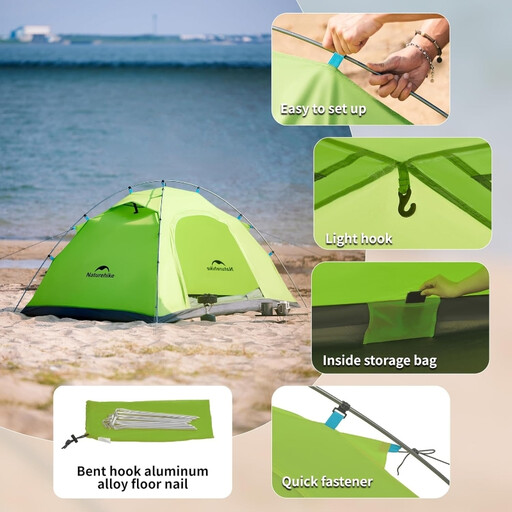
What sets it apart?: This tent successfully combines four-season versatility with a feather-light weight. Made from polyester with waterproof and anti-UV coatings, it provides reliable shelter from the elements. Its simple and quick setup is a real bonus after a long day of hiking.
Key features?:
Who is it for? Perfect for hikers, whether in pairs or solo, who are looking for a single tent that can accompany them on all their adventures, from the local forest to mountain treks, without ever weighing them down.
See details for the NatureHike P-Series tent
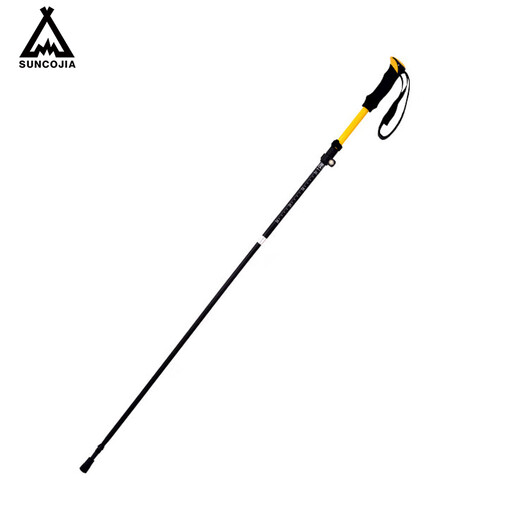
Their strengths?: These poles combine the robustness of 7075 aluminium alloy with impressive lightness. But their real advantage is their ultra-compact size when folded?: at just 34?cm, they fit anywhere. The ABS locking system is both simple and reliable.
Key features?:
Who is it for? For all walkers, from beginners to experts, who want to relieve their joints, gain stability on uneven terrain, and have reliable support on both ascents and descents.
Discover the SUCOJIA walking poles
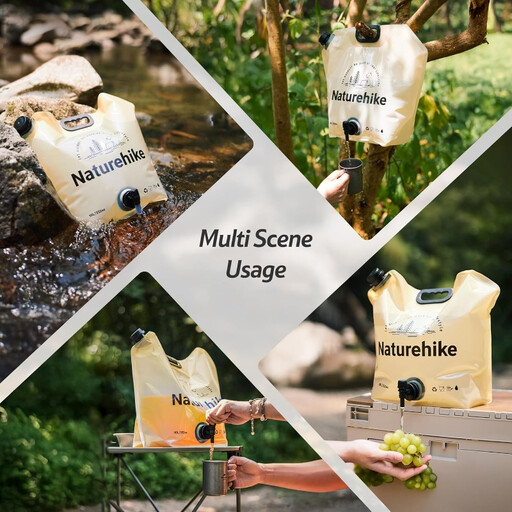
The smart advantage?: Water management is often a headache when camping. This 10-litre foldable container is the simple, brilliant solution to put your mind at ease. When empty, it weighs only 140?g and rolls up to take up almost no space. Its integrated tap is a real bonus for dispensing water effortlessly.
Key features?:
Who is it for? An essential for camping, group bivouacs, or whenever the water source isn't right next to the tent. It's a game-changer for cooking and washing up at the campsite.
View the NatureHike water container
This selection is an excellent starting point for assembling a reliable and lightweight camping kit. Of course, every adventure is unique, and your needs may vary. If you're looking for alternatives or complementary products, feel free to browse our catalogue.
? Explore our complete collection of ultralight outdoor gear
For a first trip, here are the essentials you shouldn't forget?:
For a 4-season 2-person tent, there are four criteria to watch closely?:
Telescopic walking poles are true allies on a hike. They absorb some of the impact, thus relieving your joints (especially knees and ankles) on descents. They provide better balance on unstable or slippery trails. Finally, they help propel you uphill by engaging your upper body to better distribute the effort.