
Livraison le jour même ou le lendemain

Qualité garantie

Débloquez vos offres de bienvenue: Livraison GRATUITE | Jusqu'à -80 % | 30 jours d'essai gratuits à JoyPlus
Téléchargez l'application
Choosing the right camping gear can quickly become a headache. Between marketing promises and confusing spec sheets, the risk of ending up with unsuitable equipment that can ruin an outdoor trip is very real. Some products that look appealing on paper reveal their weaknesses after just a few uses. To help you make a clear-headed choice, our editorial team has broken down the most common pitfalls and the essential criteria to check before you buy.
Here are the 3 pitfalls to avoid on your next purchase:
To make an informed choice, you need to understand a few key specifications that make all the difference in the quality and suitability of hiking or camping equipment.
The waterproofness of a fabric, like that of a tent, is measured in mm (or Schmerber). Here are some practical benchmarks:
Be aware that this rating isn't everything. You must check that the product mentions taped seams (or heat-sealed seams): this is the Achilles' heel of many tents, where water seeps in. Good ventilation is just as crucial to limit condensation inside—the camper's sworn enemy.
The choice of materials directly impacts the weight, durability, and of course, the price of your gear.
Always check the packed dimensions and total weight. Gear that is easy to transport and store guarantees more peaceful adventures. For tents, automatic or "pop-up" systems are a delight for beginners and families. Seasoned hikers, on the other hand, will often turn to pole-based structures, which are more technical but also lighter. For a folding camping table, a roll-up tabletop is often more compact than a bi-fold one.
Every adventure has its own demands. Here is a selection of products suited to different profiles, chosen for their durability and smart design.
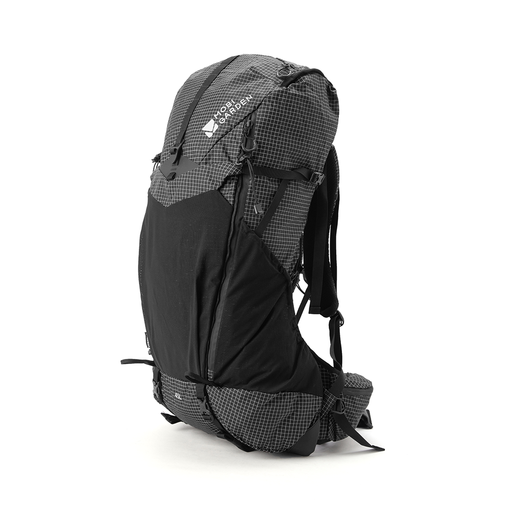
Why we chose it: Designed for multi-day treks where every gram counts, but reliability against rocks and abrasion is non-negotiable. Its 45L volume is ideal for 2 to 3 days of self-sufficiency.
The Dyneema Composite Fabric offers exceptional tear and abrasion resistance without the weight of traditional materials. It solves the "ultra-light but fragile" dilemma.
Its 3D suspended back panel ensures effective ventilation, reducing heat and sweat build-up during long hikes.
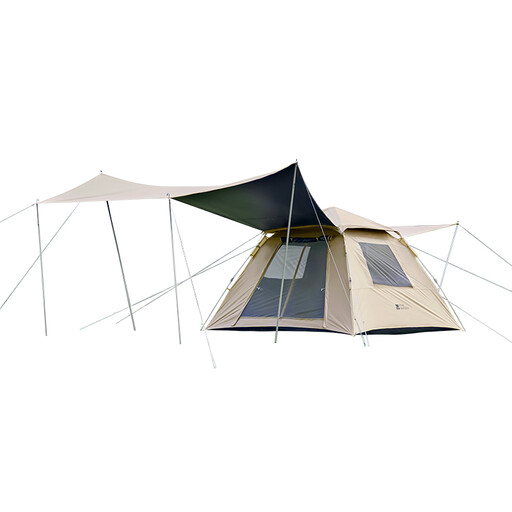
Why we chose it: Perfect for family trips or weekends where setup speed and comfort take priority over weight. Its large interior can accommodate 2 to 5 people.
Its "pop-up" structure allows for setup by a single person in seconds, eliminating the complexity of traditional tents. The blackout fabric and generous space check all the boxes for comfort.
The 6-layer blackout fabric with UPF50+ protection blocks light and heat, ensuring truly dark nights and cool naps for children.
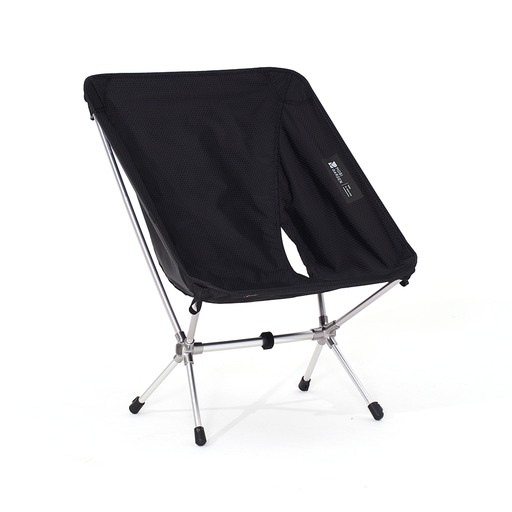
Why we chose it: For those who want to sit comfortably by a lake or campfire without being weighed down by heavy furniture. It's the perfect addition to lightweight bivouac gear.
Weighing only 765g with minimal packed dimensions, it provides a stable and comfortable seat thanks to its triangulated aluminium alloy frame, avoiding the pitfall of compact but wobbly chairs.
Assembly is quick and intuitive. The high-tension Oxford fabric withstands wear and tear well, guaranteeing excellent longevity.
We have compiled a complete and up-to-date selection of products that meet our strict selection criteria and current standards.
The lifespan of a camping tent depends on the quality of its materials, frequency of use, and maintenance. A well-maintained tent can easily last 5 to 10 years, or even longer. To maximise its lifespan, always ensure it is completely dry before storing it to prevent mould, which attacks and degrades waterproof coatings. Also, avoid folding it the same way every time to prevent creasing the fabric and creating permanent weak points.
Choosing a sleeping bag is based on its temperature ratings. Manufacturers typically indicate a "comfort rating" (for a standard night's sleep), a "limit rating" (the lowest temperature at which you can sleep without feeling cold), and an "extreme rating" (for survival only). For summer use at low altitudes, a bag with a comfort rating around 10-15°C is usually sufficient. For spring or autumn, aim for 0-5°C. Winter or mountain use requires specific gear designed for sub-zero temperatures.
A foam camping mat, such as closed-cell foam pads, offers several advantages: it's lightweight, puncture-proof, and provides basic insulation from the cold ground. For occasional nights in mild weather, it can be more than enough. However, for greater comfort and better insulation (measured by the R-Value), a self-inflating or inflatable mat will often perform better, especially on uneven ground or in cold weather. The choice therefore depends on your priority: foolproof simplicity and durability (foam) or comfort and insulation (inflatable).