
Livraison le jour même ou le lendemain

Qualité garantie

Débloquez vos offres de bienvenue: Livraison GRATUITE | Jusqu'à -80 % | 30 jours d'essai gratuits à JoyPlus
Téléchargez l'application
A trip outdoors can quickly go wrong if your equipment is the wrong size, bulky, or incompatible with your vehicle. A tent that's too cramped, a cool box that only works from a mains socket, or a mattress that's impossible to pack away can end up taking over — both literally and figuratively.
Before you buy your camping equipment, keep an eye out for three common pitfalls:
The idea is to choose your camping gear based on how you'll actually use it: family camping, hiking, road trips, fishing, picnics or as an extra bed at home.
With a tent, don't just look at the number of sleeping spaces. Also examine the floor area and the internal height. A pop-up tent for 3 to 4 people can work for a family or a small group, provided you allow separate space for luggage. Its automatic opening makes pitching simpler, but it still needs to be properly pegged down when the wind picks up.
For a folding camping table, also look at its size when packed away. A model measuring 50 × 40 × 40 cm when open and weighing around 1.25 kg will be easier to transport in the car or on a fishing trip than a large family table.
A portable electric cool box powered by 12 V usually plugs into the car's cigarette lighter. To use it at home, check whether a 220–240 V adaptor is included or needs to be bought separately. The ICEROVER PN-06 car fridge runs on 12 V DC with the included cable, while the mains adaptor is optional, according to the product information.
The stated temperature also varies depending on the ambient temperature, the seal's tightness and ventilation. For heavy use, a compressor model like the BINGI 22 L on 12/24 V DC can suit a campervan, a lorry or an extended trip. Remember to check its actual power consumption in the spec sheet and compare it with your available battery capacity.
An air mattress with an electric pump speeds up setup, but check the valve type, inflation time and whether the pump is actually in the box. A 12 V/230 V electric air pump offers more flexibility, at the campsite and at home, as long as you follow the usage instructions and let the motor cool down between cycles.
On the ground, an insulating groundsheet with a reflective aluminium surface and a foam layer can reduce contact with damp and cold. It doesn't replace a tent's full insulation, but provides a practical seat for a picnic, a festival or a break during a hike.
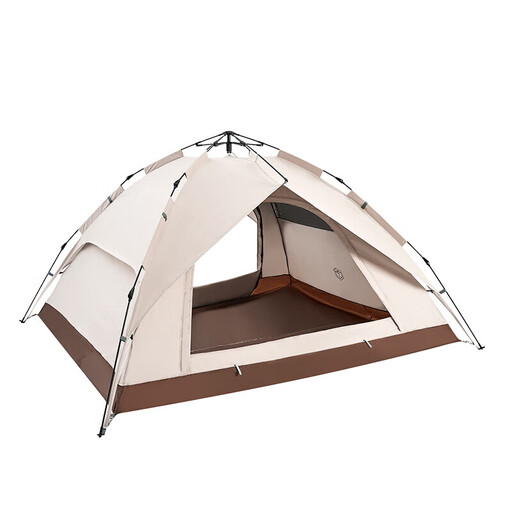
Why this choice suits this profile: Its automatic opening is ideal for beginner campers who want to avoid complicated setup. Its 3 to 4 person size works well for family trips or outings with friends.
The double layer and coated outer fabric offer a water resistance of 3,000 mm hydrostatic head. You'll still need to dry the tent completely before storing it.
Automatic pop-up opening, double layer and stated capacity for 3 to 4 people.
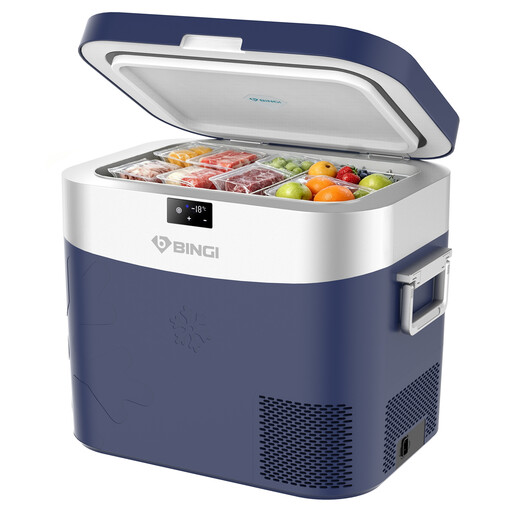
Why this choice suits this profile: With its 22 L capacity, it's suitable for long journeys, leisure vehicles and groups who take more drinks and food with them.
Its 12/24 V DC power supply is designed for vehicles and avoids relying on a domestic socket during transport.
22 L capacity and compressor operation on 12/24 V.
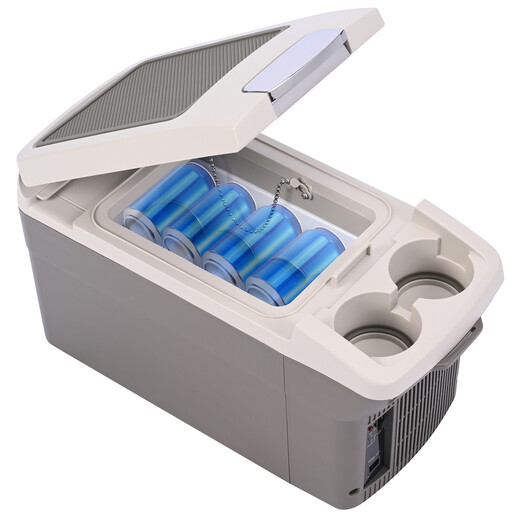
Why this choice suits this profile: Its compact size is ideal for daily commutes, picnics, fishing and drivers who want to keep drinks or meals within easy reach.
The 12 V DC cable is included and the unit is designed for both cooling and keeping food warm. Performance does vary depending on the ambient temperature.
Cooling and heating, carry strap, cup holders and seatbelt slot.
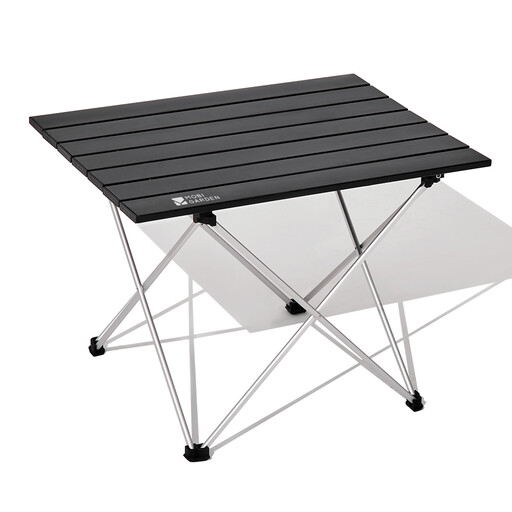
Why this choice suits this profile: At around 1.25 kg and with folded dimensions of 16 × 8 × 57 cm, it slips easily into a boot, a large bag or among your other camping accessories.
The aluminium frame and cross-brace structure distribute the load. Lock each crossbar and check stability before placing anything on the table.
Open dimensions of 50 × 40 × 40 cm, stated static load of around 20 kg and non-slip feet.
We've put together a comprehensive, real-time selection of products that meet these demanding criteria as well as European safety regulations.
Hiking and outdoor equipment should stay simple to use and easy to store. Here are the most practical extras to consider:
Compare the internal floor area, height, weight and packed size. A double-layer model with a water resistance of 3,000 mm hydrostatic head can cope with changing weather conditions, but no tent removes the need for proper pegging down in windy conditions.
It all depends on the cooling system, the outside temperature, how often you open it and the power source. To reduce consumption, pre-cool your food, don't block the vents and check that the cool box is compatible with your vehicle's battery.
Place it on a clear surface away from branches and stones, and don't exceed the recommended pressure. After each trip, dry it thoroughly, fold it without compressing it too tightly and store it away from heat and damp.