
Livraison le jour même ou le lendemain

Qualité garantie

Débloquez vos offres de bienvenue: Livraison GRATUITE | Jusqu'à -80 % | 30 jours d'essai gratuits à JoyPlus
Téléchargez l'application
A camping trip can quickly go wrong if your gear takes up too much space, is fiddly to set up, or doesn't suit the intended use. A tent marketed as "quick to pitch" might still require several steps, a cool box could consume more power than expected, and an overstuffed carry bag soon becomes a nuisance.
To choose camping equipment that's right for outdoor getaways, it's best to focus on the actual features rather than marketing claims. Here are the main pitfalls to avoid, the criteria to check, and a few options suited to different needs.
A foldable product isn't necessarily easy to move around. Check its folded dimensions, weight, and whether it has a handle, shoulder strap or wheels. In a car, the boot space it takes up matters just as much as the weight. On a hike, every extra kilogram will eventually make itself felt.
The litre capacity of a bag, cool box or storage item isn't always enough to judge its usefulness. Compare the internal dimensions, shape and opening. A narrow opening can make storing a tent or set of cookware awkward, even if the stated volume seems generous.
Moisture, sand and mud can shorten the life of camping accessories. A tent must be completely dry before being stored. The wheels of a bag need to be cleaned of sand. A fabric table or waterproof blanket should be cleaned with a mild product. Also remember to check warnings about wind, fire, maximum load and power supply.
For a 3 to 4-person pop-up tent, examine the structure, number of layers and waterproof rating. A water column of 3,000 mm is a useful technical benchmark for comparing the outer fabric's resistance to water pressure. That doesn't mean you can skip using pegs and guy lines when the wind picks up.
For a folding camping table, the maximum load should be clearly stated. On a natural site, beach or gravel pitch, the ground is rarely perfectly level. Non-slip feet and a properly deployed frame contribute greatly to stability.
A portable electric cool box can run on a 12 V or 24 V socket, typically available in a car, van or motorhome. Before buying, check the cable length, compatibility with your vehicle, and whether you can use a mains adapter. Actual power consumption varies depending on the outside temperature, the setting chosen and how often it's opened.
Compressor models and thermoelectric ones are in different leagues. A compressor is better suited to maintaining a low temperature, while a model with a heating function can keep certain foods warm. In all cases, follow the manufacturer's recommendations and the cold chain rules applicable to food.
A camping inflatable mattress should be compared by its length, width, thickness, weight and inflation system. An integrated pillow can save you from carrying an extra accessory. For sleeping as a pair, check whether multiple mattresses can be joined together and whether the valves are sufficiently protected.
For foldable travel bags, capacity and carrying system are key. A 110-litre model can hold a tent, chairs and utensils, but wheels are mainly useful on flat ground. On stairs or a trail, you'll need to be able to carry it.
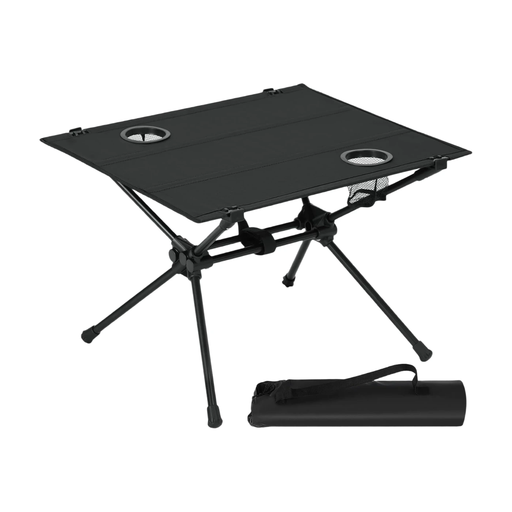
Why this choice suits this profile: This table unfolds without tools and fits easily into a picnic, a first night under canvas or a stop by the water. At a stated 2.5 kg, it's reasonable to carry when shared by the whole family.
When folded, it measures 15.5 × 15.5 × 67 cm and fits into the supplied carry bag. That means genuine space saving without mistaking it for a table meant to stay set up.
A metal frame, Oxford fabric tabletop, two cup holders and a stated maximum load of 30 kg.
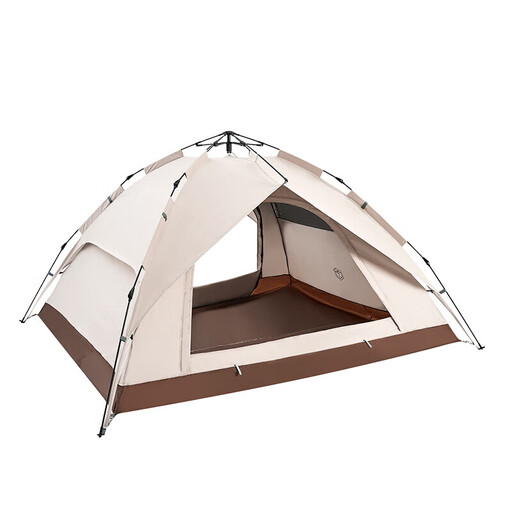
Why this choice suits this profile: Its double-layer design and automatic opening are aimed at families and campers who want to save time on pitching while having space for three to four people.
The stated 3,000 mm water column rating provides a concrete benchmark. It's still essential to peg the tent down properly and avoid extreme weather conditions.
A double layer, stated capacity for 3 to 4 people and an outer fabric with a PU coating.
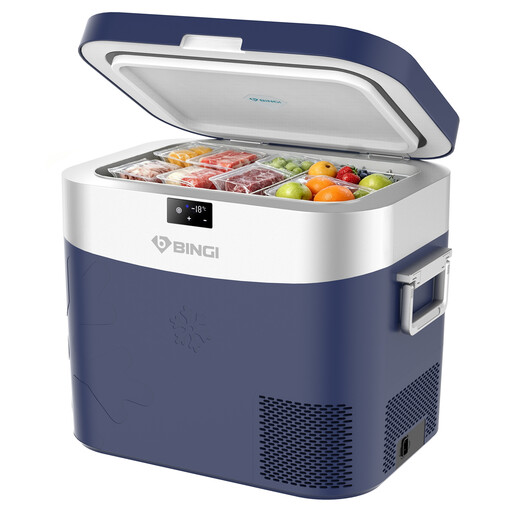
Why this choice suits this profile: This 22-litre compressor cool box, powered by 12/24 V, is aimed at van travellers, anglers and anyone heading out for several days with a suitable vehicle.
The size and power supply voltage are clearly stated. That means you can check how it fits in your vehicle and whether it's compatible with the onboard electrical system.
A 22 L capacity and 12/24 V DC operation, for use in cars, vans or motorhomes.
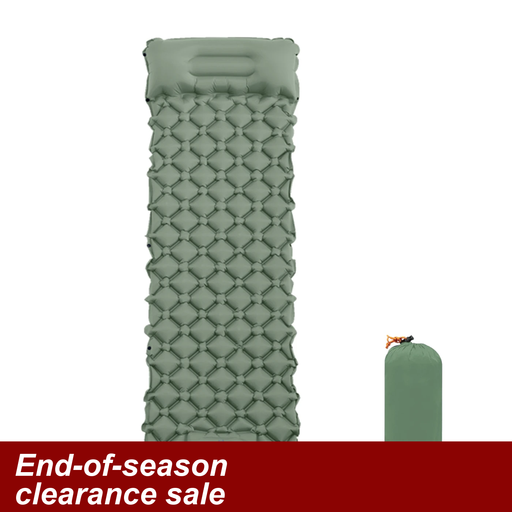
Why this choice suits this profile: With dimensions of 192 × 58 cm, a stated weight of 690 g and a folded size of 26 × 10 cm, this mattress slips easily into a bag where every centimetre counts.
The weight, folded volume and double-layer valves are all specified. That lets you compare transport and storage practically, rather than focusing solely on thickness.
A foot pump, integrated pillow and side buttons for joining two mattresses.
To complete your camping gear, choose accessories based on the length and type of trip:
The Mobi Garden 110-litre bag, for example, comes with wheels and folds down to a stated size of 42 × 21 cm. The 2-in-1 model that combines a bag and mat includes a 100 cm round mat and folds to 30 × 20 cm. These solutions can lighten your load, provided you respect their maximum load and usage conditions.
We've put together a comprehensive, real-time updated list of products that fully meet these strict selection criteria and European safety regulations.
To start with, get a tent suited to the number of people, a mattress, a sleeping bag, a lamp, a compact table or stand, and some storage solutions. If you're travelling by car, add a cool box. A picnic blanket will also come in handy for outdoor meals.
Remove dirt and sand after each use, wipe surfaces with a damp cloth and let textiles dry completely before storing. Never store a tent or mattress while still damp: odours and mould could develop. For electrical equipment, protect the sockets and follow the manufacturer's power supply instructions.
The lifespan depends on how often you use it, the load carried, weather conditions and how it's stored. Regularly inspect seams, valves, zips, feet and cables. Replace any damaged parts before the next use, especially for a tent exposed to wind or an electrical appliance plugged into a vehicle.