
Livraison le jour même ou le lendemain

Qualité garantie

Débloquez vos offres de bienvenue: Livraison GRATUITE | Jusqu'à -80 % | 30 jours d'essai gratuits à JoyPlus
Téléchargez l'application
Camping or hitting the road in a converted van promises freedom and adventure. However, that experience can quickly turn into a nightmare if your gear lets you down in the middle of nowhere. A gadget that won't turn on, a battery that dies after just a few hours... These unfortunately common mishaps are often the result of well-oiled marketing traps. Before you pull out your credit card, it's essential to know how to spot false promises and choose reliable, long-lasting camping equipment.
Recognizing these traps is the first step to a smart purchase. Here are the three most common mistakes that cost campers dearly:
To avoid falling for the trap, simply focus on a few objective technical specifications. These are the true arbiters for evaluating a product's quality and suitability for life on the road.
For all RV accessories and portable devices, the power source is the lifeblood. The main distinction is between traditional lead-acid batteries and Lithium Iron Phosphate (LiFePO4) batteries.
A good camping gadget should adapt to your needs, not the other way around. Before buying, check its compatibility with market standards.
The great outdoors is a demanding environment. The durability of your camping equipment depends directly on its construction.
Here are a few options that meet these selection criteria, suited for different types of campers.
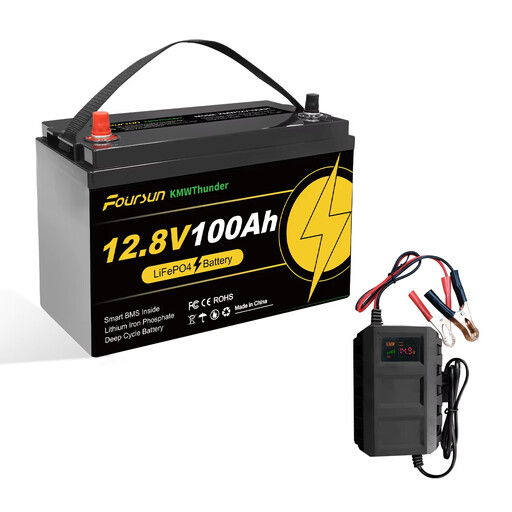
Why we chose it: Ideal for RV or van owners who need a reliable and long-lasting power source to run a fridge, lights, and charge multiple devices for several days without access to the grid.
It sidesteps the trap of overestimated battery life thanks to its LiFePO4 technology, offering over 4500 cycles and a 100% depth of discharge for truly available energy and extended longevity.
Weighs only 1/3 of an equivalent lead-acid battery and includes a built-in management system (BMS) to protect against over-voltage and short circuits.
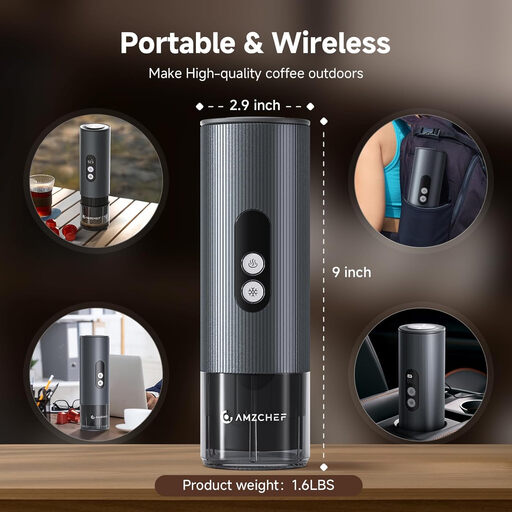
Why we chose it: For those who refuse to compromise on coffee quality, even when hiking or at a rest stop. It delivers the luxury of a real espresso, wherever you are.
It bypasses the limited compatibility issue by accepting both NS capsules and ground coffee. Its built-in 9000 mAh battery heats the water, making it completely self-sufficient.
A true 20-bar pressure system for professional-quality extraction and a rich crema. The aluminum body and stainless steel tank ensure its durability.
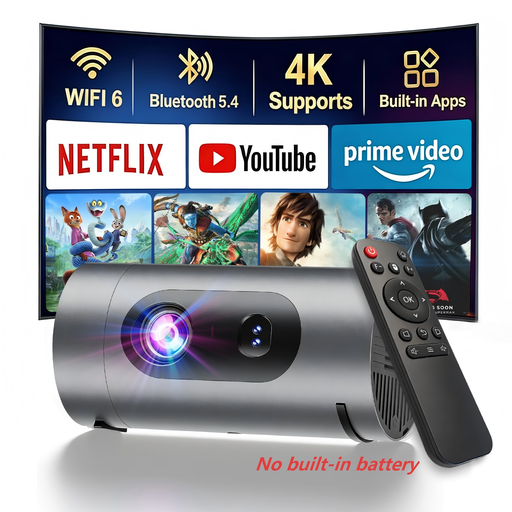
Why we chose it: Perfect for families and groups of friends who want to turn a camping evening or backyard gathering into a memorable movie night under the stars.
It gets around the compatibility trap by being powered via a standard external battery (not included), freeing you from the hunt for an outlet. Its built-in Android system provides direct access to streaming platforms.
Automatic focus and keystone correction simplify setup on outdoor surfaces. Its 800 ANSI lumens brightness provides a clear image even at dusk.
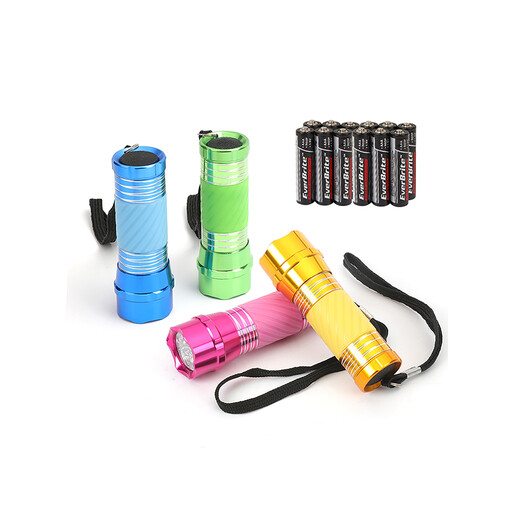
Why we chose it: These are the quintessential camping essentials. Reliable, compact, and inexpensive, they are perfect for a backpack, tent, or as an emergency light in the RV.
They avoid the deceptive durability trap with a polished aluminum body, which is much more resilient than cheap plastic flashlights. The single-button mechanism is simple and reliable.
A handy and colorful four-pack, with AAA batteries included. An excellent value for equipping the whole family or having multiple light sources.
Battery life is a key factor for a successful trip. We've compiled a complete selection of products that meet our strict selection criteria for portable power.
A high-quality LiFePO4 battery is built to last. Most models offer between 4,000 and 6,000 full charge cycles. If you use it for 100 cycles a year (which is very heavy use), it could theoretically last for several decades. Its lifespan is therefore much longer than that of lead-acid batteries, making it a more economical choice in the long run.
Yes, as long as you choose the right model. The criteria to watch for are brightness (expressed in ANSI lumens, with 800 being a good starting point for dusk) and the power source. A projector that can run on a standard external battery (power bank) is much more versatile. Automatic image correction features are also a real plus for a quick setup on uneven ground.
The key is to prioritize simplicity and compatibility. Ask yourself if the device genuinely makes your life easier or if it adds unnecessary complexity. A good high-tech gadget should use standard connections (USB-C, Wi-Fi, Bluetooth) and not rely on proprietary accessories or apps. Always think about off-grid use: can the device operate independently on its own battery or with a universal power source?