
Livraison le jour même ou le lendemain

Qualité garantie

Débloquez vos offres de bienvenue: Livraison GRATUITE | Jusqu'à -80 % | 30 jours d'essai gratuits à JoyPlus
Téléchargez l'application
Preparing for an outdoor trip involves more than putting a tent and sleeping bag in the boot. Whether you are travelling with family, as a couple or with friends, your choice of camping equipment directly affects set-up time, comfort during the night, ease of transport and your ability to cope with changing weather conditions.
Some offers may look tempting, but the same pitfalls come up time and again.
A tent advertised for three or four people may be large enough for sleeping, while leaving barely any room for bags and clothing. So check the floor dimensions, dome shape, headroom and number of compartments. For a family trip, a 3 to 4-person tent should also allow you to move around and keep essential belongings within easy reach.
The hydrostatic head, expressed in millimetres, is a useful technical indicator, but it is not enough to assess an shelter’s resistance. The quality of the seams, the tension of the fabric, the groundsheet protection and the use of suitable tent pegs also play a part. Even a tent showing a 3,000 mm hydrostatic head is not necessarily designed to withstand a severe thunderstorm or extreme conditions.
Equipment that is compact when folded is not necessarily easy to carry once it is full. Before buying, check the wheels, handles, unloaded weight and the strength of the fastenings. A 110 L wheeled camping bag makes it easier to move around on flat ground, but you will generally need to carry it on stairs, stony paths or slopes.
For a tent intended for a family or small group, compare:
An automatic pop-up tent reduces handling thanks to its rapid deployment system. Nevertheless, it must be secured properly, even when setting it up appears instantaneous.
The outer fabric, its coating and the design of the flysheet all deserve close attention. A 3,000 mm hydrostatic head rating indicates resistance to water pressure, but it is no substitute for proper pitching or suitable guy lines. Also avoid packing away a damp tent: let it dry completely to help prevent unpleasant odours and mould marks.
For travelling on foot, choose a waterproof hiking jacket according to how you intend to use it: fit, sleeve length, room for a mid-layer and fabric care requirements. Check the manufacturer’s recommendations before washing it.
When comparing air mattresses, pay attention to their dimensions, height, packed weight and inflation system. An air mattress with an electric pump can make setting up easier at a campsite with electrical sockets or a compatible power source. However, check the connection type and the time required for inflation before you set off.
For a sleeping bag or liner, examine the length, shoulder width, fabric and whether it has space for a pillow. A cotton liner can be useful for occasional accommodation, but it does not replace a sleeping bag suited to the expected temperature.
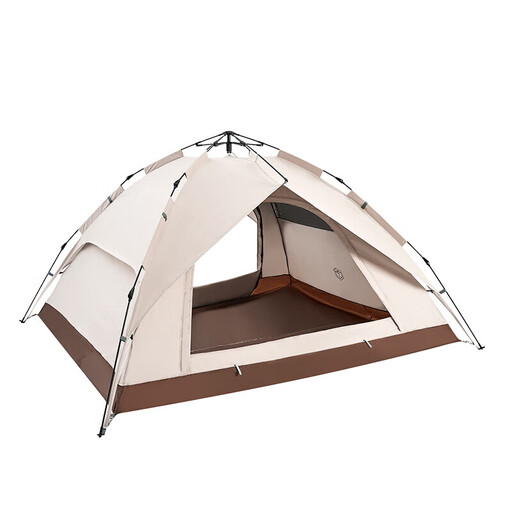
Why this choice suits this profile : Its advertised capacity of 3 to 4 people and pop-up mechanism make it suitable for first family or group getaways, when pitching needs to be quick and straightforward.
The double skin and advertised 3,000 mm rating provide more concrete information than simply describing a product as ‘waterproof’. The tent still needs guy lines when the wind picks up.
Set-up and dismantling by pressing the structure, an inner fabric described as soft to the touch, and a PU-coated outer fabric.
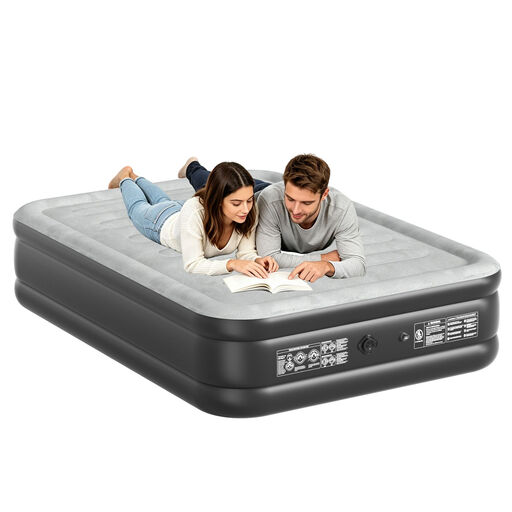
Why this choice suits this profile : The two formats let you adapt the sleeping area to the number of people, whether you are camping or occasionally hosting guests at home.
The dimensions are clearly stated and the electric pump is included in the product title. Check the connection and available space before setting off.
Advertised height of 46 cm, foldable design and sizes of 200 × 98 cm or 200 × 155 cm depending on the version.
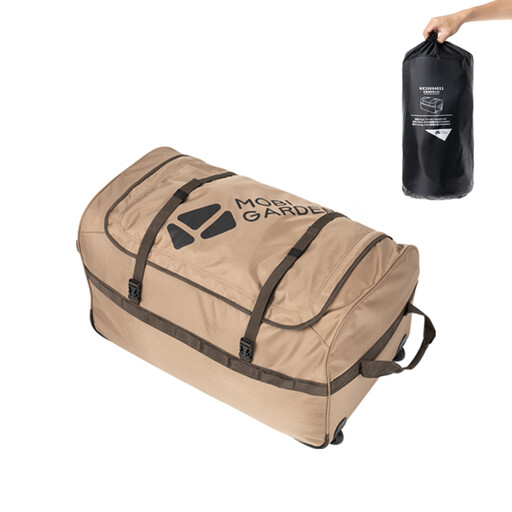
Why this choice suits this profile : Campers taking a tent, table, chairs or cooking equipment can store their belongings together in this advertised 110 L capacity.
The unloaded weight of approximately 1.75 kg and integrated wheels are clearly stated. However, the manufacturer recommends carrying it on stairs and slopes.
110 L capacity, folded size of 42 × 21 cm and wheels designed for moving across flat ground.
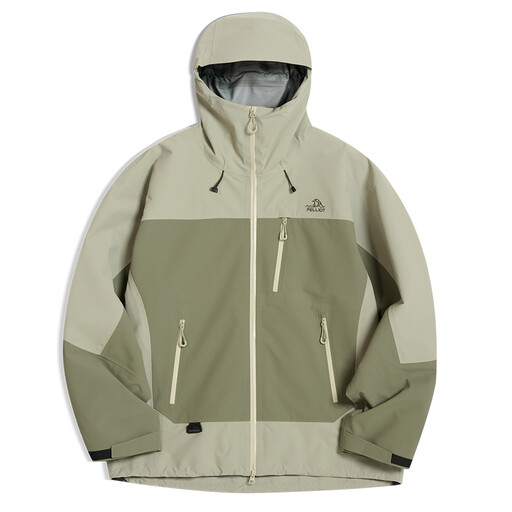
Why this choice suits this profile : This jacket is designed for outings where rain, wind and friction may all come into play, whether hiking or travelling day to day.
The size guide provides details of the length, chest measurement, shoulder width and sleeve length. This allows you to account for the layers worn underneath, rather than relying solely on your usual size.
Advertised windproof design, fabric described as abrasion-resistant, and cold-wash instructions with no tumble drying.
We have brought together a complete, real-time-updated selection of products that meet these demanding criteria and European safety standards.
A few simple habits can help limit premature wear on your outdoor equipment:
Among the camping accessories that are often forgotten, remember to pack a lamp, protective tarpaulin, extra tent pegs, a repair kit and dry bags. For hiking equipment, add a water bottle, a rain cover for your rucksack and a warm layer suited to the weather forecast.
Unfold it on a clear area, release the structure following the manufacturer’s instructions, then check that the poles are fully open. Next, secure the corners and guy lines with the tent pegs. Quick set-up does not eliminate the need for proper anchoring, especially when windy weather is forecast.
It depends on how often it is used, exposure to sunlight, damp, transport and maintenance. A tent stored completely dry, a mattress handled away from sharp objects and a bag cleaned after every trip will retain their qualities for longer.
The budget varies according to the number of people, the level of comfort you want and how often you go away. Start with the essentials — shelter, sleeping equipment, rain protection and a transport solution — then add suitable camping accessories to meet your needs over time.