
Livraison le jour même ou le lendemain

Qualité garantie

Débloquez vos offres de bienvenue: Livraison GRATUITE | Jusqu'à -80 % | 30 jours d'essai gratuits à JoyPlus
Téléchargez l'application
An outdoor trip is the promise of a good time. A camping weekend, a giant family picnic... the plan sounds idyllic. Except when reality catches up with you: hopelessly lukewarm drinks and food that's gone bad during the journey. Choosing a camping cooler? It seems like a walk in the park. But between dubious marketing claims and obscure technical sheets, it's hard to know where to start. Our mission, as experts, is to clear the path for you. Let's decode the criteria that really matter and the pitfalls to avoid to find the perfect cooler for your adventures.
Before diving into the technical details, let's learn to sidestep the most common traps and marketing claims that are a little too good to be true.
To be sure of your choice and guarantee long-lasting cooling, three technical criteria are decisive.
The insulating material is the real engine of your cooler. Basic models make do with a double plastic wall with air in between: a solution with very limited effectiveness. For performance worthy of the name, aim for an insulated box with walls injected with high-density polyurethane (PU) foam. This technology drastically slows heat transfer and keeps things cold (or hot) for several days.
A portable insulated cooler must be able to withstand bumps and the hazards of transport.
The ideal volume obviously depends on the size of your crew and the length of the getaway. For a family of 4 to 6 people for a weekend, a capacity of around 22 litres is an excellent compromise. Also, think about ergonomics: a cooler has to be carried, and it's often heavy! Finally, check that its dimensions are compatible with your car's boot. It's a detail that is very important on the road to your holiday.
Rather than an exhaustive list, here are a few options that cater to different user profiles, taking into account performance and durability criteria.
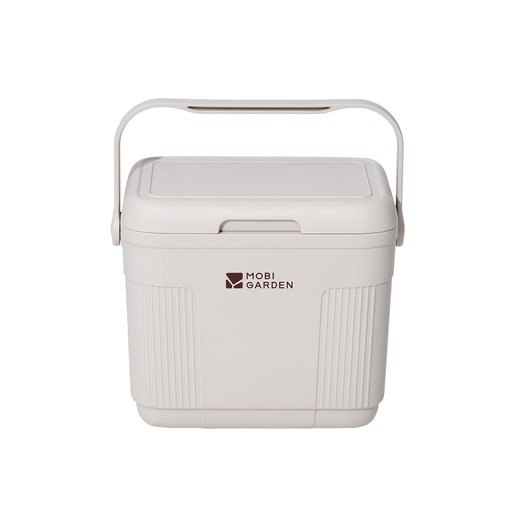
Why we chose it: With its 22L capacity, its volume is perfect for a family or a group of 4 to 6 people for a weekend. Its robust design is built for regular outings.
Its food-grade PP shell and full PU foam insulation protect it from issues of fragility and lacklustre performance. The rotating handle and reinforced corners are made to take a beating.
The PU foam insulation and thick silicone gasket guarantee cold retention for up to 36-48 hours (with ice packs), a reliable performance to last the whole weekend.
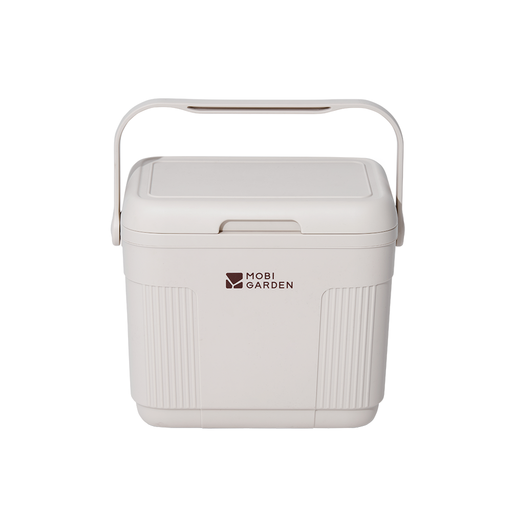
Why we chose it: Perfect for a couple or a day trip. Its compact size is easy to carry and fit in the car, while still offering enough space for a picnic or a day of fishing.
It avoids the trap of being oversized. Why bother with an XXL cooler for more modest needs? This model incorporates the excellent build quality of its big brother in a much more agile format.
Portability and efficiency. Its moulded handle and feather-light weight (around 1.35 kg) make it an ideal travel companion, without sacrificing insulation performance thanks to its PU foam.
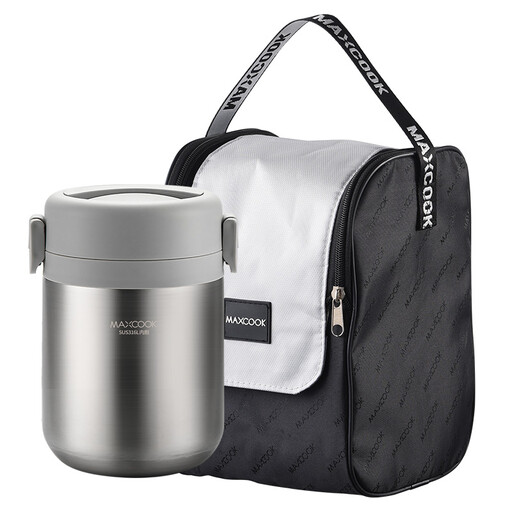
Why we chose it: For those who want to bring a hot dish (soup, stew) or keep a dessert cool. It's the perfect solution to complement or replace a classic cooler for specific uses.
It meets a need that traditional coolers ignore: keeping things hot. Its vacuum-insulated design and perfectly sealed lid are specifically designed for transporting liquids and cooked meals.
Hot/cold versatility and a leak-proof seal. The 316 stainless steel vacuum insulation maintains the temperature for hours, and its anti-leak gasket will save you from nasty surprises in your backpack.
Our editorial team has scrutinised dozens of models to select only those that meet our criteria for performance and safety.
Several simple tricks can improve performance:
For a picnic lasting a few hours, a simple soft insulated bag might do the trick. However, for a full day, for transporting perishable goods (meat, dairy), or if you plan to use it as a makeshift seat, a hard cooler offers unmatched insulation and durability. It's a more durable investment if you go on frequent outings.
A quality model, with a robust PP shell, good PU insulation, and solid hinges, can last you for many, many years. It all depends on your frequency of use and maintenance. By avoiding impacts and cleaning the gasket and interior after each trip, you'll keep it for much longer.