
Livraison le jour même ou le lendemain

Qualité garantie

Débloquez vos offres de bienvenue: Livraison GRATUITE | Jusqu'à -80 % | 30 jours d'essai gratuits à JoyPlus
Téléchargez l'application
Outdoor cooking is one of the greatest pleasures of camping and backpacking. But the wrong equipment can quickly turn this enjoyable moment into a real chore. Faced with an overwhelming selection of products, it's easy to fall for expensive marketing traps that unnecessarily weigh down your backpack.
As a product expert at Joybuy, my mission is to help you cut through the noise. Let's review the common mistakes to avoid and the essential criteria for choosing the right camping cookware.
Marketing for outdoor cooking often focuses on miracle solutions that prove disappointing in practice. Here are the most common pitfalls.
To avoid these disappointments, focus on objective features. Good backpacking gear must meet three fundamental requirements.
The choice of material for your camping cook pot is crucial. Each option has its pros and cons:
A good camping cookware set is one where every element has its place. Check that the pots, pans, and lids nest inside one another. Handles should be foldable or removable to minimise bulk. The ideal setup allows you to store everything, including a small gas canister and a stove, inside the largest pot.
There's no need to multiply your utensils. A lid that doubles as a strainer or a small pan is a real bonus. Likewise, the capacity should be tailored to your needs.
To illustrate these principles, here are a few products that tick all the boxes, designed for different types of campers.
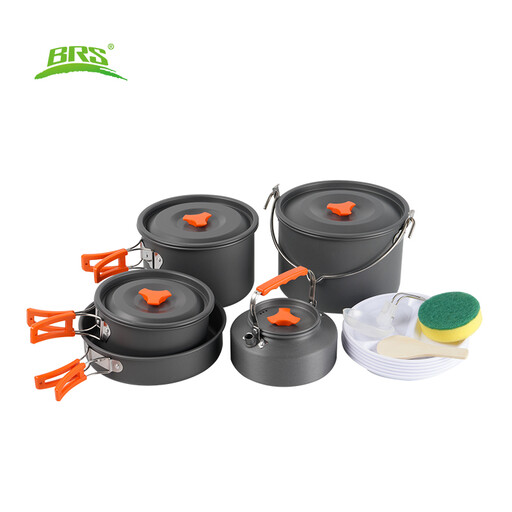
The right choice for this profile: Ideal for families or groups of friends RV camping or at a basecamp. This complete set allows you to cook real meals for several people without being weighed down by multiple utensils.
It avoids the "useless all-in-one set" trap by focusing on high-capacity items (4.2 L hanging pot, 2.9 L large pot) that are genuinely designed for group cooking and nest together perfectly.
Large capacity and versatility: enough to fry, simmer, and boil for a whole group. Optimised nesting design for ultra-compact storage despite its volume.
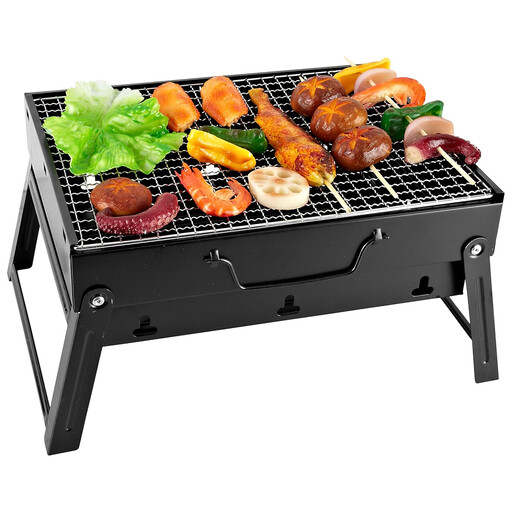
The right choice for this profile: For those who refuse to sacrifice the authentic taste of a charcoal grill, even in the great outdoors. This portable barbecue is perfect for a day trip or a basecamp.
It avoids the gadget trap by focusing on a single function and mastering it perfectly. Its simple, foldable design makes it easy to transport and set up, offering real added value for barbecue enthusiasts.
Authentic flavour: the taste of charcoal cooking, anywhere. Portable and compact: folds for easy transport and storage.
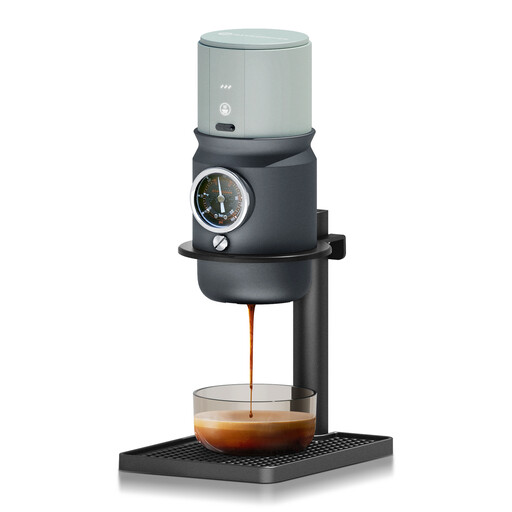
The right choice for this profile: For the coffee enthusiast who refuses to compromise, even on a mountaintop. This portable machine brings a touch of luxury and comfort to any adventure.
Although highly specialised, this is no gadget. It features a professional-grade 58 mm percolation system and a visible pressure gauge for an espresso worthy of the name. A worthwhile investment for a true purist.
Pro-quality espresso: pressure gauge and adjustable OPV for total control. Battery Life and Portability: integrated battery for nearly 50 shots and a sturdy metal body.
We have curated a complete and up-to-date list of products that meet our strict selection criteria and current safety standards.
With proper care (not using metal utensils that scratch the coating, not overheating it while empty), a quality hard-anodised aluminium pot can last you for many years. Its lifespan primarily depends on the quality of the non-stick coating and the sturdiness of its construction.
Most camping pots are compatible with gas, alcohol, or wood-burning stoves. However, the crucial point is stability. A wide pot on a small, unstable stove poses a real risk of tipping over. Ensure that the base of your cook pot is well-suited to the size of your burner's supports.
The trick: "scrape" the still-warm pot with a silicone or wooden spatula to remove the largest food scraps. Then, pour in a small amount of water, heat it slightly, and scrub with a soft sponge or cloth. For stubborn grease, a little sand or fine dirt (use with caution on coated surfaces) can serve as a natural abrasive before rinsing.