Campers without a coffee maker
If you have hot water but no machine, instant coffee can be prepared in a cup. Senseo pods, on the other hand, need a compatible machine.


To stock up on coffee for a camping trip without taking a coffee maker, choose a jar of instant coffee if you can transport and protect the container. Sachets are better for carrying individual portions on a trip with several stops; Senseo pods only make sense if you have access to a compatible machine. In every case, check the date and storage instructions on the packaging.
If you have hot water but no machine, instant coffee can be prepared in a cup. Senseo pods, on the other hand, need a compatible machine.
For several people or several days, a jar lets you scoop out coffee with a spoon to suit the number of cups you’re making. However, you’ll need to find room for it in your camping kit and protect it during the journey.
Instant coffee sachets make it easy to carry and share separate portions without taking an opened jar. The amount in each serving is determined by the pack size you choose.
Your choice of format depends first on the equipment available, then on how you’ll transport and share the coffee.
Worth considering: for a supply you can measure out with a spoon when you have hot water but no coffee maker.
Bear in mind: the container needs to be resealed and, if it’s glass, protected from knocks.
Worth considering: for sharing out one portion per cup or taking a few servings away from the campsite.
Bear in mind: the portions are pre-measured and individually wrapped.
Worth considering: only if a compatible Senseo machine will definitely be available where you’re staying.
Bear in mind: you’ll need the machine and the facilities required to use it; these pods aren’t a substitute for instant coffee mixed into a cup of hot water.
| Criteria | What to check | Who it matters to |
|---|---|---|
| Making coffee without a machine | Check that it says “instant coffee” and read the preparation instructions. For Senseo pods, make sure you’ll have access to a compatible machine. | I’ll have hot water but no coffee maker, so I need coffee I can prepare directly in my cup. Around 37% of consumers would put this independence first. |
| Transport and portions | Compare the number of portions, net weight and type of container against the space you have available. | If I move from place to place often, I’d rather share out individual servings without opening a supply for everyone. Around 27% of consumers would make this convenience a priority. |
| Size of the supply | Check the net weight and, if stated, the number of cups the product makes according to its recommended serving size. | For several people or several days, I want to plan how much to share while still being able to adjust the amount in each cup. Around 27% of consumers would make this their top criterion. |
| Choosing decaffeinated coffee | Look specifically for the word “decaffeinated” and check that the format suits your equipment. | If I want to take decaffeinated coffee, I need to identify the right product before setting off rather than relying on the packaging format alone. Around 9% of consumers would put this choice first. |
Instant coffee sachets are mixed with hot water; Senseo pods are designed for a compatible machine. If you only have hot water, this distinction determines whether you’ll be able to make the coffee you’ve chosen.
If there’s no machine where you’re staying, look for the words “instant coffee” and read the preparation instructions before buying.
A jar can be a handy supply in a camping box, but its size and the risk of breakage matter more when everything needs to fit in a bag.
Protect the jar during the journey or consider sachets if you need to travel light. If you transfer the coffee to another container, make sure it’s clean, airtight and suitable for food.
How to store coffee after opening depends on the instructions on its packaging. A container that isn’t properly closed or is exposed to damp doesn’t meet those instructions.
Check the best-before date before setting off, then follow the product’s specific instructions for sealing and storage.
These pointers relate to specific ranges and formats: a brand’s inclusion here doesn’t mean that all its products are suitable for camping.
The Senseo France range includes soft pods, including Classic and Decaffeinated varieties.
Carrefour lists a 180 g jar of Carte Noire Classique instant coffee, described on its product page as a blend of Arabica and Robusta.
The retailer lists instant coffee in jars, including the 180 g Carte Noire product.
E.Leclerc lists, among other products, a 200 g jar of ECO+ freeze-dried instant coffee.
Auchan’s instant coffee range includes jars and sachets, as well as decaffeinated options.
These products are instant coffee to make with hot water: jars are useful for stocking up and measuring out servings, while sachets keep portions separate. Senseo pods, by contrast, need a compatible machine.
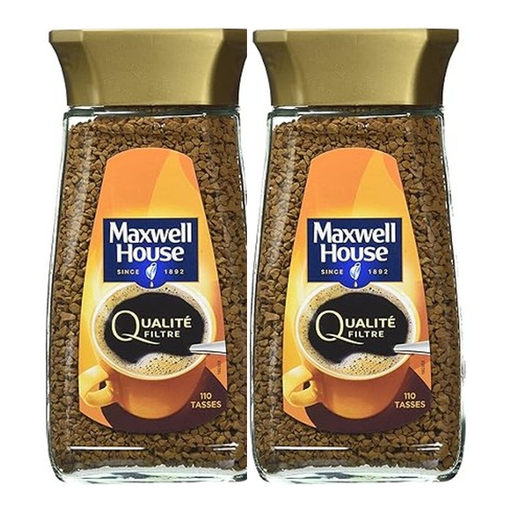 Image unavailable
This multipack of instant coffee is ideal for sharing if you have hot water and can protect the jars during the journey.
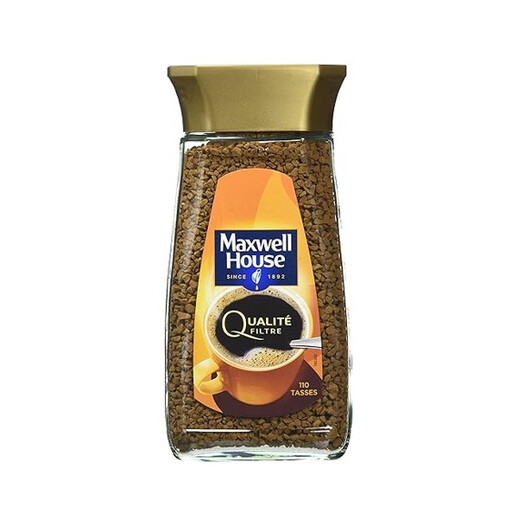 Image unavailable
If you want to make several cups without a coffee maker, this instant coffee is worth considering when you have hot water.
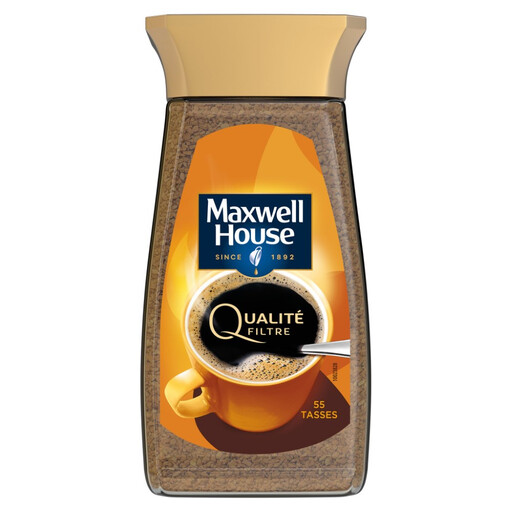 Image unavailable
This jar of instant coffee lets you take a supply and measure out each cup as needed. All you need is hot water; no machine required.
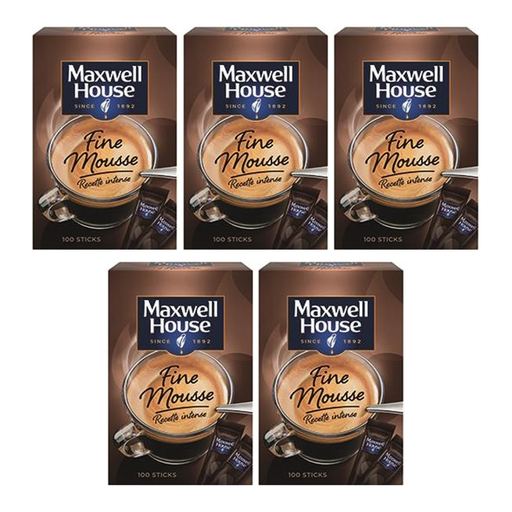 Image unavailable
These instant coffee sachets can be shared between campers without opening a jar for everyone, as long as you have hot water.
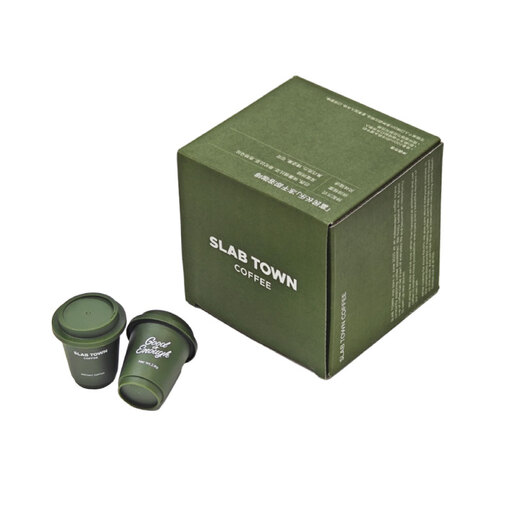 Image unavailable
These instant coffee portions are ideal if you’d rather take separate servings than a jar.
Yes, with instant coffee and hot water. Whether you’re using a jar or sachets, follow the quantities and steps on the product you’ve bought rather than using the instructions for a different one.
No. A Senseo pod is designed for a compatible machine, while instant coffee is mixed with hot water. If you won’t have access to that machine, choose a jar or sachets of instant coffee.
Seal it after use and follow the storage instructions on the packaging. Some products need to be kept in a dry place; if you transfer the coffee, use a clean container that’s suitable for food.
Check the product name, net quantity, date and storage instructions, then read the ingredients and nutritional information on the label. For prepacked food sold in France, the DGCCRF sets out the applicable labelling rules.
Yes. The products featured include decaffeinated instant coffee in a jar and Senseo Decaffeinated pods. Check that the product you choose is labelled “decaffeinated”: the coffee in a jar is prepared like any other instant coffee, while the pods need a compatible machine.