
Livraison le jour même ou le lendemain

Qualité garantie

Débloquez vos offres de bienvenue: Livraison GRATUITE | Jusqu'à -80 % | 30 jours d'essai gratuits à JoyPlus
Téléchargez l'application
A good camping chair can make all the difference on an outdoor trip. Conversely, a bad model can quickly turn into a nightmare: unstable, uncomfortable, or worse, broken after just two uses. The market is saturated with options making tempting promises, and it's easy to get lost.
As a product expert at Joybuy, my mission is to help you see things more clearly. Let's forget the marketing jargon and focus on what's essential. Here are the pitfalls to avoid and the objective criteria for finding the chair that will truly meet your needs, whether for hiking, fishing, or simply relaxing in your garden.
Before you even start looking at models, it's crucial to know how to spot a bad deal.
To make an informed choice, focus on three key technical features that never lie.
The frame material is a deciding factor for your chair's weight, durability, and price.
The fabric has a direct impact on comfort and longevity. Oxford fabric is a safe bet. This type of weave, when it has a sufficient density (measured in denier), offers excellent resistance to abrasion and tearing. Also, check if the fabric has been treated to be UV-resistant and water-repellent: this is your guarantee against fading and mould growth.
The maximum static load is an objective figure provided by the manufacturer. It indicates the weight the chair can support when stationary. Always allow for a comfortable safety margin. But the structure's design is just as important: a wide base, non-slip feet, and a well-designed X-frame or triangulated architecture will ensure better stability on all types of terrain.
Every activity has its own requirements. Here are a few recommended options, tailored to specific user profiles.
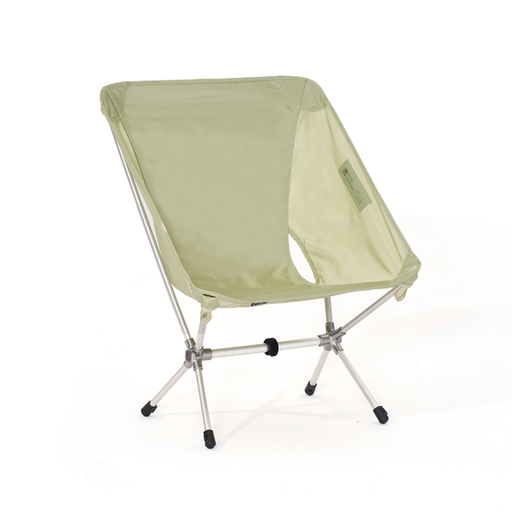
Why this model is for you: Weighing in at just 765 g and folding down to only 36 cm in length, it's designed to slip into a backpack without weighing it down. It's the ultimate trump card for portability.
It debunks the myth of fragile ultra-light chairs. Its triangulated structure, made of aerospace-grade aluminium alloy, ensures surprising stability for such a light weight, supporting a static load of up to 140 kg.
Its compactness and speed of assembly. The frame unfolds in a single motion, making it ideal for a quick break on the trail.
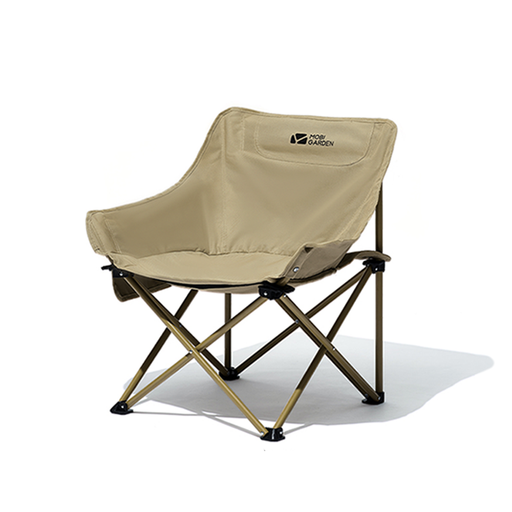
Why this model is for you: For outings where weight isn't the top priority (2.35 kg), this armchair goes all-in on comfort. Its secret? A wide, enveloping 64.5 cm seat and a comfortable seat height of 36 cm.
It tackles the pitfall of low-quality fabric. Its thick, padded Oxford fabric is built for regular use and resists wear and sagging, while the carbon steel frame guarantees rock-solid durability.
Its ultra-simple X-frame structure is easy to unfold, and its side storage pocket is perfect for keeping your phone or a drink within reach.
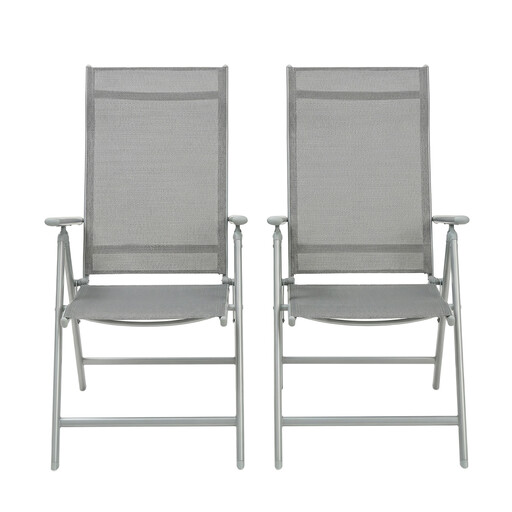
Why this model is for you: This is the solution designed for stationary comfort. Ideal as a folding garden chair or a backup sun lounger, this model is built for extended relaxation thanks to its padded seat and adjustable backrest.
Its folding mechanism is simple and robust, designed for frequent use without the jamming points that eventually fail. The aluminium frame supports a high load (150 kg per chair) while remaining easy to move.
Its versatility, with an 8-position reclining backrest. It allows you to switch from an upright reading position to a nearly flat napping position. The bonus? It's sold as a set of two.
Explore our full selection of products that meet our quality criteria and current safety standards.
Its longevity depends on three key factors: the quality of the materials (frame and fabric), frequency of use, and maintenance. A model with an aluminium or treated steel frame and a high-density Oxford fabric can last for many seasons if well-maintained. Pro tip: avoid leaving it out permanently in the rain or direct sun to preserve the fabric and metal parts.
Maintenance is child's play. After each outing, especially in muddy or salty environments (like the seaside), simply wipe down the frame and fabric with a damp cloth to remove residue. Never use harsh detergents. Finally, make sure the chair is completely dry before storing it in its bag in a dry place away from the sun to prevent rust and fabric degradation.
Yes, provided you choose a well-designed model. Sturdiness doesn't just depend on the weight of the materials, but on the intelligence of its design. The top-performing models use aluminium alloys that are both light and strong, as well as structures (like triangulated architecture) that distribute weight optimally. The best indicator remains the maximum static load announced by the manufacturer: it's a reliable figure.