
Livraison le jour même ou le lendemain

Qualité garantie

Débloquez vos offres de bienvenue: Livraison GRATUITE | Jusqu'à -80 % | 30 jours d'essai gratuits à JoyPlus
Téléchargez l'application
A good camping chair can transform an outdoor trip, a festival, or a simple afternoon on the balcony. But be warned: the market is flooded with models making tempting promises that often hide critical flaws. Before you decide, it's crucial to know how to avoid the most common pitfalls so you don't invest in a seat that will let you down... literally.
As a product expert at Joybuy, I'm here to help you see things more clearly. Let's forget the marketing jargon and focus on what really matters. Here are the most frequent mistakes to avoid.
To make an informed choice, you just need to focus on a few key technical points. They will give you a very clear idea of the product's real-world performance and longevity.
The choice of materials is decisive: it determines the weight, robustness, and weather resistance all at once.
Conclusion: a lightweight camping chair isn't necessarily fragile, provided its design is based on quality materials like an aluminum alloy and high-density Oxford fabric.
The size of the chair when folded is just as important a criterion as its weight. A portable camping seat must be easy to store in a car trunk, a closet, or even a backpack. Always check the dimensions of the folded chair. Some models simply fold in half, while other, more technical ones, can be disassembled to fit into a small carrying case. The folding mechanism should be simple and quick (cross-frame, umbrella system, etc.).
The maximum supported weight (or static load) indicated by the manufacturer is a crucial piece of information. This is the weight the chair can support under stable conditions, without movement. For an average-sized adult, aim for a capacity of at least 100 kg (220 lbs). This provides a good safety margin and also ensures better longevity. The design of the feet is just as important: wide, non-slip caps provide better stability, especially on soft or uneven ground. It's a detail that makes all the difference for a fishing chair or for use in the great outdoors.
Because every user is unique, here are a few models that meet specific needs, all selected according to the quality criteria we've just discussed.

The profile: Perfect for those who prioritize comfort for various uses: garden, balcony, patio, or "car camping." Here, the focus is on the seating experience, not ultra-portability.
This model doesn't try to be the lightest. It relies on a sturdy aluminum frame and a comfortable Textilene seat, thus avoiding the trap of false lightness that often means fragility.
Its adjustable reclining seat offers custom comfort, a rare feature on this type of chair. Its weight of 3.5 kg remains perfectly manageable for occasional transport.
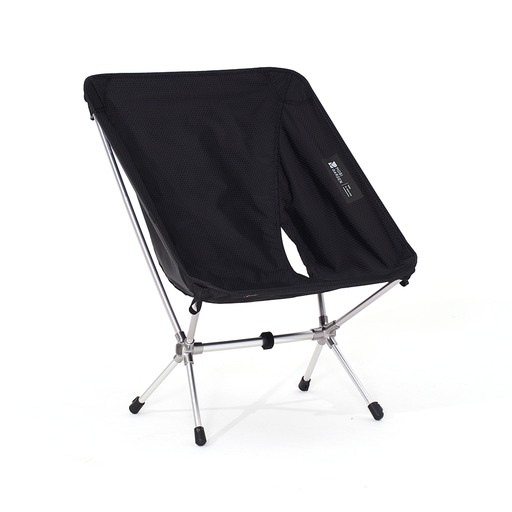
The profile: Designed for those for whom every gram counts: hikers, trekkers, bike-packers... Its extreme compactness allows you to take it absolutely anywhere.
It achieves its feather-light weight (a mere 765g!) thanks to an aerospace-grade aluminum alloy and an ultra-stable triangulated structure, without ever sacrificing strength (supports up to 140 kg).
Its folded size is ridiculously small (36 x 11 cm), allowing it to slip into any backpack. Assembly is child's play thanks to its structure that unfolds in the blink of an eye.
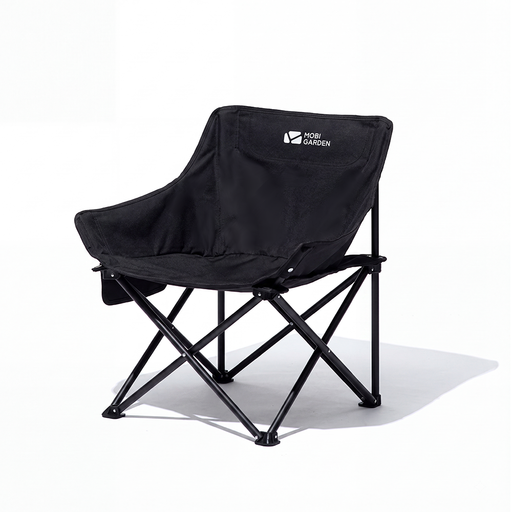
The profile: The ideal compromise for the camper, angler, or picnicker looking for the right balance between generous seating comfort and easy portability.
It avoids the "bulky comfort" trap by offering a wide, enveloping seat in a format that remains easy to transport (2.35 kg). Its carbon steel frame is both robust and treated against corrosion.
Its wide 64.5 cm seat and "moon" shape offer excellent back and hip support. The side storage pocket is a handy little extra for keeping your belongings within reach.
We have put together a complete selection of products that meet our quality criteria and current safety standards.
The longevity of a folding camping chair depends on three key factors: the quality of the materials, the frequency of use, and the care you give it. A model with an aluminum or treated steel frame and a sturdy Oxford fabric seat can last for many years if you take care of it. The pro tip: avoid leaving it permanently in the sun or rain. UV rays and moisture are its worst enemies.
Maintenance is very simple. After each outing, clean off any mud, grass, or dust. Most manufacturers recommend a simple wipe-down with a damp cloth, without aggressive detergents that could damage the fabric or its treatments. If your chair gets rained on, wipe it down and let it air dry completely before storing it in its bag. This is the best way to prevent rust on metal parts and the growth of mold.
Not necessarily. While the ultra-light models of the past often sacrificed comfort, modern designs have evolved significantly. "Moon" or "bucket" style chairs, even in their lightest versions, offer an enveloping seat that provides excellent back support. Comfort is subjective, of course, but a well-designed chair, even a lightweight one, can be incredibly pleasant for relaxing after a long day of hiking. The whole challenge is to find the ideal compromise between the weight you're willing to carry and the level of comfort you expect.