
Livraison le jour même ou le lendemain

Qualité garantie

Débloquez vos offres de bienvenue: Livraison GRATUITE | Jusqu'à -80 % | 30 jours d'essai gratuits à JoyPlus
Téléchargez l'application
Whether it's for a weekend in nature, a fishing trip by the lake, or simply lazing in the sun on your balcony, the right camping chair makes all the difference. The problem? The market is flooded with models making tempting promises, and it's easy to fall for a purchase you'll immediately regret.
As a Product Expert at Joybuy, my mission is to help you see things more clearly. Let's cut through the marketing jargon and get straight to the point. Here are the common pitfalls to avoid and the objective criteria for finding the folding chair that's truly right for you.
To avoid making a mistake, rely on technical specifications, not marketing speak.
The frame material is the skeleton of your chair. It dictates its sturdiness and weight.
Whatever the material, check the static weight capacity indicated by the manufacturer. It's the best indicator of the structure's real-world strength.
The fabric is in direct contact with you, so its choice is crucial for both comfort and the lifespan of your chair.
A compact folding chair isn't just a chair that folds. To be truly portable, it must excel on two points:
To illustrate these criteria in practice, here are three models that meet very specific needs.
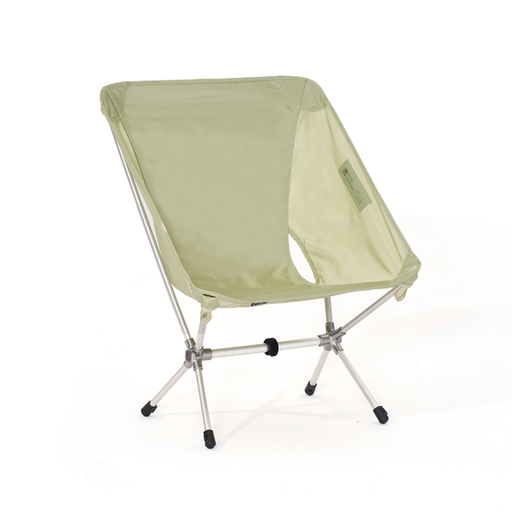
Why this choice? For those who count every gram in their backpack. Perfect for trekking, bivouacking, or festivals where lightness and compactness are non-negotiable.
It avoids the "false lightness" trap thanks to its stable, triangulated structure made of aerospace-grade aluminium alloy. The result: it supports up to 140 kg despite a feather-light weight of 765 g.
Feather-light weight (765 g), minimal packed size (36 cm long), and ultra-durable Oxford fabric.
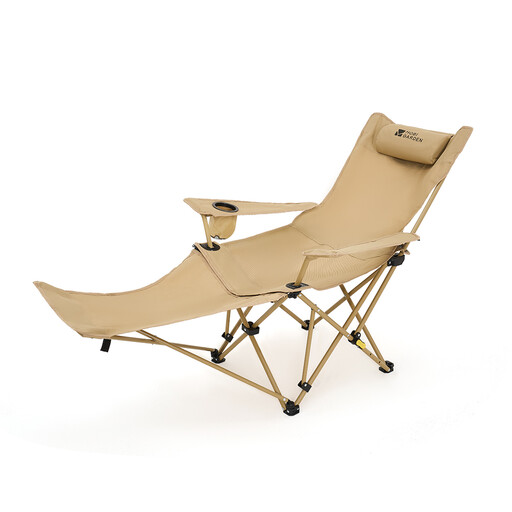
Why this choice? For those who make no compromises on relaxation, whether at the campsite, for a nap in the garden, or by the water. Here, weight isn't the priority—well-being comes first.
It doesn't just sell the illusion of comfort; it delivers with concrete features: a multi-position adjustable backrest, an ergonomic seat that relieves pressure on the knees, and a removable headrest.
A true reclining camping chair, cup holder, storage pocket, and a sturdy carbon steel frame.

Why this choice? For mixed use: perfect on a balcony, handy as an extra seat for guests, and ideal for an occasional outing. The perfect balance of style, comfort, and practicality.
It avoids the bulkiness trap with its flat, ultra-compact fold, allowing it to be slipped behind a door or into a trunk. Its aluminium frame keeps it at a reasonable 3.5 kg for effortless transport.
Adjustable seat angle for tailored comfort. Breathable Textilene fabric that is resistant to the elements.
We've curated a complete selection of products that meet our strict criteria for quality and safety.
Regular maintenance is the key to making your chair last. After each outing, take the time to clean the frame and fabric to remove mud, dust, or sand. A damp cloth and a little soapy water are sufficient; avoid harsh detergents. Most importantly, make sure the chair is completely dry before storing it in its bag, away from moisture and sunlight, to prevent rust and premature fabric wear.
Although the two are often confused, a fishing chair is designed for a more active, upright posture that facilitates the angler's movements. It is often lower to the ground and may include accessories like rod holders. A classic camping chair, on the other hand, emphasizes relaxation, with a higher backrest and, often, reclining positions.
Yes, but under certain conditions. A folding garden chair is often heavier and much less compact than a model designed for camping. Its feet, for example, are rarely suited for the soft or uneven ground found in nature. For mixed use, opt for a hybrid model with wide feet and a structure that is both sturdy and lightweight, like those made of aluminium.